PS, I love you: why love letters are making a comeback
As love notes from historical figures including Jane Austen go on display at the National Archives, Lydia Spencer-Elliott explores why putting pen to paper is increasingly popular in the UK

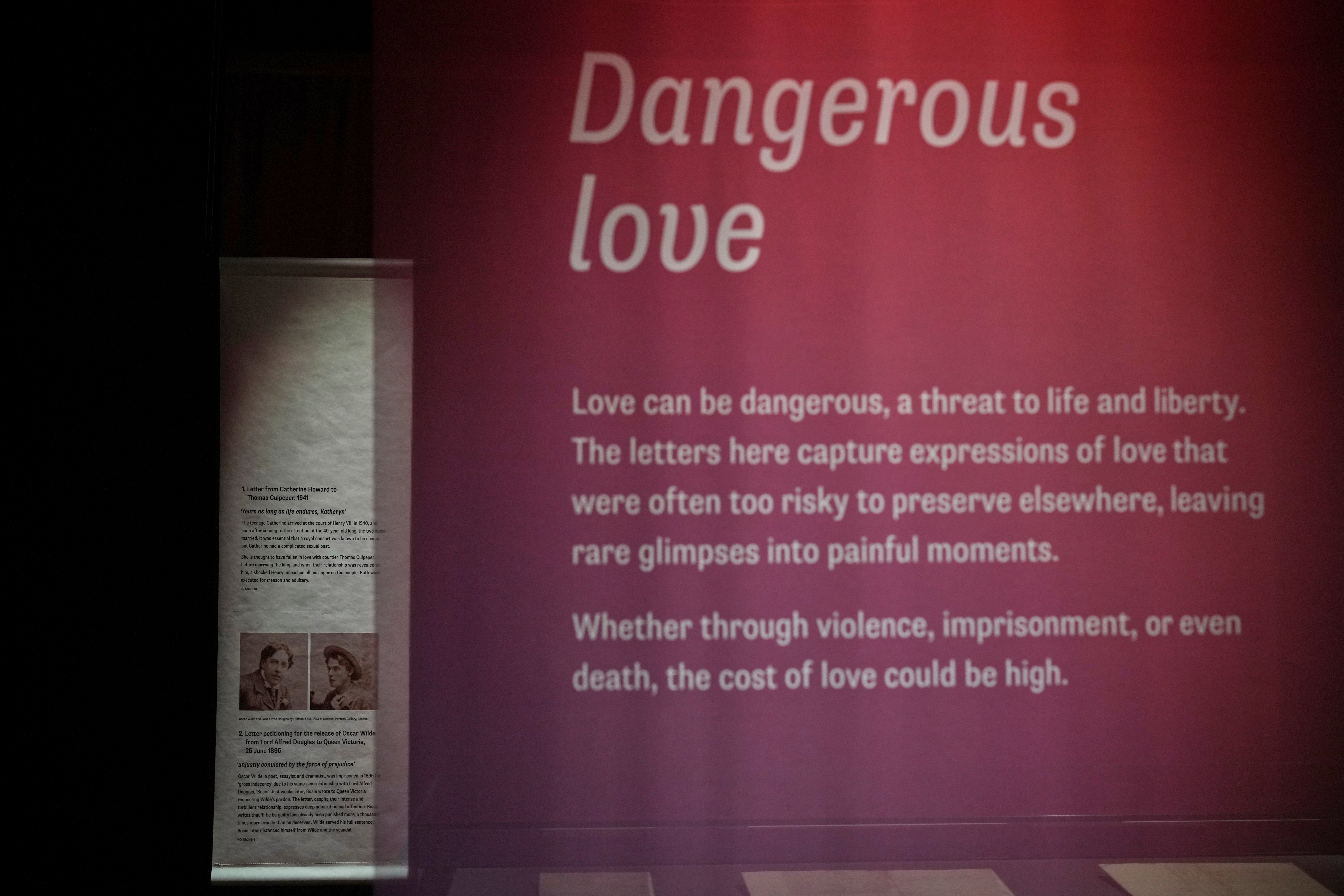
When Oscar Wilde was sentenced to two years in prison for homosexuality in 1895, his lover, poet and journalist Lord Alfred Douglas, wrote a letter to Queen Victoria petitioning for Wilde’s release. “Will you not save this man who even if he be guilty has already been punished more a thousand times more cruelly than he deserves[?]” he asked. Wilde served his full sentence and died in 1900, with his final years spent in exile.
Douglas’ impassioned plea is set to go on display at the National Archives “Love Letters” exhibition this month, alongside dozens of other emotive pieces of correspondence that span the last 500 years of heartache and passion. Among them is one of the most high-risk love letters ever penned, by Henry VIII’s fifth wife, Catherine Howard, to courtier Thomas Culpeper in 1541, which was later used to prove the pair were having a treasonous affair. Both were executed by the king soon after. “I never longed so much for a thing as I do to see you and to speak to you,” Howard wrote to Culpeper, despite the danger. “Yours as long as life endures, Katheryn.”
The exhibition looking back at the letters of yesteryear comes at a time when putting pen to paper is experiencing a surprising rise, despite our deeply digitalised modern world. As a cultural interest in analogue activities grows, so too does pen-pal correspondence, which allows those holding the Biro to find more meaningful screen-free connections.
On TikTok, users are sharing their experiences of learning calligraphy and how to use wax seals. Meanwhile, Pinterest has reported a 105 per cent increase in searches for “cute stamps” and a 90 per cent rise in those looking for “pen pal ideas”. This trend is building on a pre-existing youth interest in writing. According to Amnesty UK, over half (55 per cent) of UK adults have sent at least one letter in the past year, with young people (aged 18-34) the most likely to say they wished they received more.
“A letter feels like it’s got more thought and time behind it than our digital interactions,” says “Love Letters” curator Victoria Iglikowski-Broad. “In the modern age, sitting down and writing means a huge amount. It means you're taking time and putting in effort. It’s really important.
“There’s a longevity to letters and a physicality in them that is really powerful,” she adds. “Particularly things in people’s own handwriting, There’s a connection that you have with that individual, that you can’t have through digital mediums in the same way. It’s really impactful.”
“Love Letters” shows adoration and affection in all its twisted and varied forms, from familial love to friendship. Elsewhere, there’s a note from the Kray twins’ father, Charles, attesting to the courts in 1956 that Ronnie and Reggie, who would go on to become infamous Bethnal Green gangsters, were “the most respectful and good-natured lads anybody could wish to meet” after one was involved in a brawl. “The separating of these boys could be a vast setback in the future of their young lives,” he claimed.
One particularly heart-wrenching inclusion is penned to former Liberal Party leader David Lloyd George. In which James Gillespie, a Jamaican living in Barry, South Wales, begs the prime minister to help him leave Britain with his family after their home and fish and chip shop were targeted in a ruthless anti-Black riot in 1919. “I am willing to leave the country at once with my wife and child (not without),” he says after receiving the terms of repatriation. “I am begging honoured sir as the leader of the British Empire to give me and family passage to Jamaica.”
While both these examples give a startling insight into the society in which they were sent, many letters in the exhibition demonstrate similarities with the love-struck struggles we still face today. In 1944, Cambridge Five spy John Cairncross wrote to his ex-girlfriend Gloria Barraclough after the Second World War broke out; his tone was filled with regret. “Would we have broken off, I wondered, if we had known what was coming?” he asks wistfully. “It was a very great loss to me, even though I still kept in touch with your sunny personality through the medium of correspondence… I’m terribly sorry you’re not coming back [to the UK],” he adds, expressing wishes to travel to Barraclough’s native Spain to visit her. Opportunity missed, they each married other people.
The sentiments aren’t all too different from the type of WhatsApp many of us will have received from regretful exes in far more recent history, except Cairncross’s message ends with a poem, rather than an emoji. “Something might be written in a different type of language or fancy handwriting, but, actually, the sentiments that are in there endure,” says Iglikowski-Broad. “There’s this real kind of universality in the feelings that are as relevant 500 years ago as they are today.”

Letters, nevertheless, are considered antiquated. In Denmark, the postal service delivered its last letter in December, despite post being delivered this way in the country since 1624. PostNord, which formed in 2009 in a merger of the Swedish and Danish postal services, cut 1,500 jobs and removed 1,500 red postboxes from the country’s streets, citing the increasing digitalisation of Danish society. Letter writing has decreased sharply in the country in the last 25 years, with more than 90 per cent fall.
Our postal service might be terrible over in the UK but it seems we have been putting pen to paper with increasing fervour since the pandemic. Reflecting on this time, nearly half of Brits (45 per cent) said that receiving post helped them get through lockdown, with two in five people saying that writing letters helped boost their mental health when not allowed out. Although seeing a hand-addressed envelope drop on the doormat while we were banned from socialising may have lifted spirits, this benefit is not exclusive to lockdown, with studies showing that those who practise gratitude or self-compassionate letter writing report reduced shame, anxiety and improved happiness.
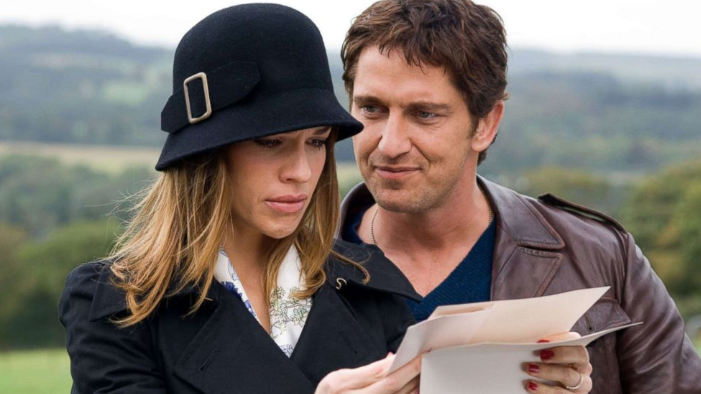
Although emails may fill up our inboxes, day in, day out and a barrage of WhatsApp messages might attack our phone screens during every waking hour of the day, it’s handwritten letters that we tear open like presents, sit down to devour and stash away in shoe boxes for years to come, keeping our friends’ and lovers’ words safe and secret, ready to be revisited months, or even decades, later. This practice is popular and precious.
And in 2026, Letters Live, an event inspired by Shaun Usher’s international bestselling Letters of Note series and much-loved accompanying Instagram account, can sell out the Southbank Theatre on a Thursday night and draw A-listers including Benedict Cumberbatch, Jude Law, and Stephen Fry to the stage to deliver unique performances of letters penned by everyone from David Bowie to Charlotte Brontë.
The team behind the production has always said its mission has been to breathe new life into the stories contained in the old-fashioned correspondence. And, evidently, it’s working. Young people are picking up pens to send carefully considered messages themselves with renewed energy and, yes, cute stamps and stationery.
“I don’t see the desire to write letters as something that’s going to go away, even if there’s a current boom” Iglikowski-Broad assures. “Other methods of communication might emerge and be added, but letters are really core and fundamental in terms of the way we correspond. It will endure over time,” she says. “A written letter is incredibly special. It’s certainly something to really value, keep, and hold on to.”
Join our commenting forum
Join thought-provoking conversations, follow other Independent readers and see their replies
Comments
Bookmark popover
Removed from bookmarks