Dacia Bigster: Standard stuff – but at a stretch
It’s a typically adequate showing from the new budget SUV, though the ‘longster’ might have been a more apt name for this economical but somewhat noisy entry, writes Sean O’Grady


We live in informal times. “Pup play” fetishists in disturbing latex doggy masks in the streets, openly begging for equal rights. And treats. Young men and women drinking beer from bottles in expensive bars. The president of the United States of America dropping an f-bomb as casually as he might a 14-tonne “bunker buster” on an Iranian uranium enrichment facility. And, yes, car manufacturers, once so careful about their dignity, giving their cars nursery-room names. And, yes again, I am referring to the – heavens – the Dacia… Bigster. They had other options, maybe, like the make itself, drawing on the Romanian-based brand’s ancient culture or intriguing culture, though I guess “Dacia Vampire” might put some folk off (but not others).
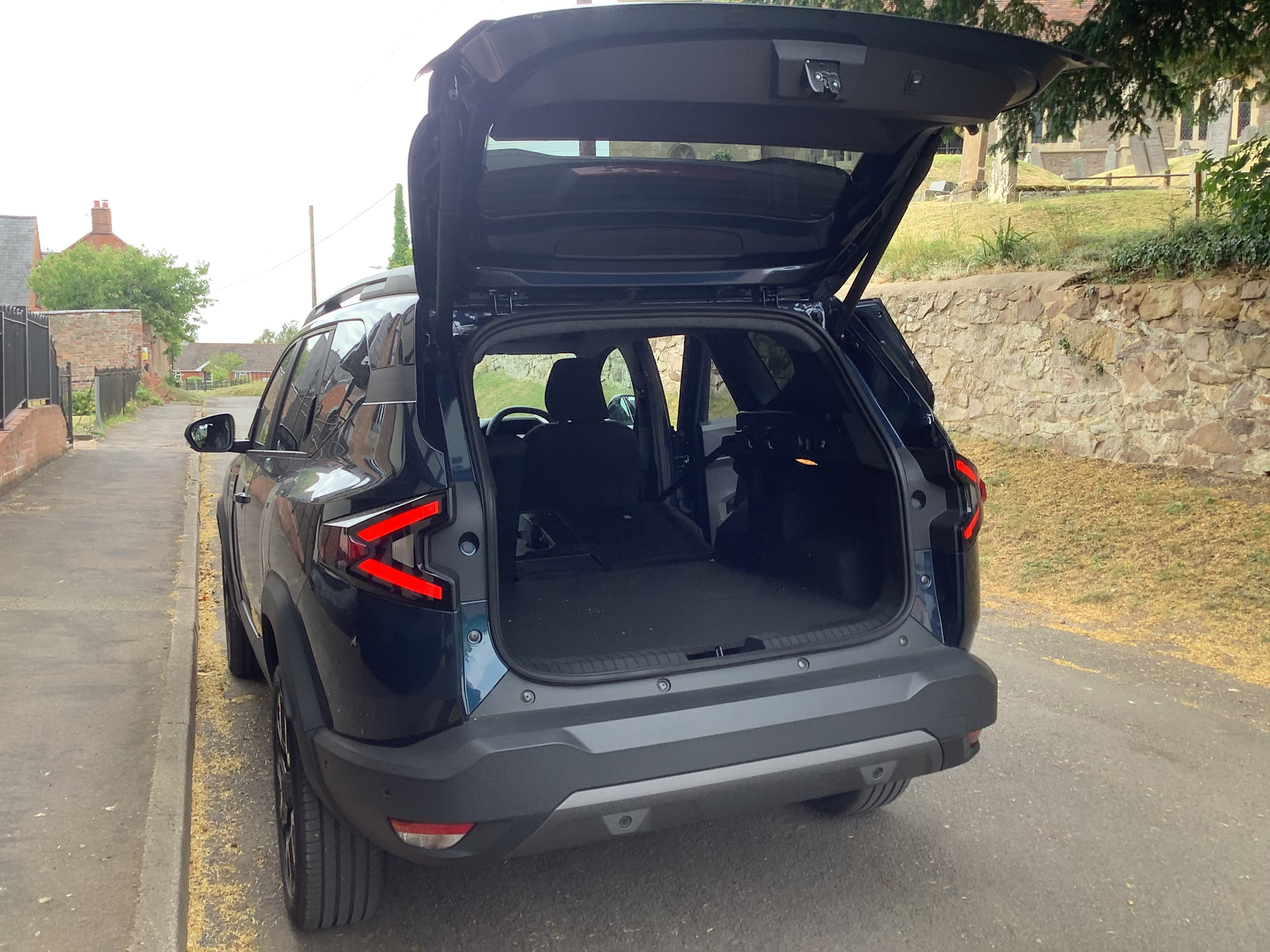
Anyway, the Bigster is actually only sort-of big. Never having encountered one “in the metal” before, I eagerly awaited the delivery of the press sample. Immediately, I sensed it wasn’t quite right, in a sense. This new budget SUV is certainly big – in most respects. It has a practical high-ride height for gentle country use (full-on four-wheel drive is a niche option), and there’s more than enough space inside for five adults plus clobber (677l of it, max, seats down, in point of fact). The boot lip is high, as per normal for today’s trendy breed of soft-readers, but there’s electric assistance to shut it, and some very handy little levers just inside that will fold the rear seats down fairly flat. The seating is as you’d expect, being dark and synthetic rather than exquisite Nappa leather, but it’s comfortable enough, in keeping with the softish ride. No shortage of cubbies for oddments and, always handy, a little induction pad to charge your smartphone (even an old one such as mine), so no fiddling about with wires.
The Spec
Dacia Bigster Journey hybrid 155
Price: £30,090 (as tested; range starts at £25,215)
Engine capacity: 1.8l petrol, 4-cyl, 6-sp auto + hybrid system
Power output (hp): 155
Top speed (mph): 112
0 to 60 (seconds): 9.7
Fuel economy (mpg): 58
CO2 emissions (WLTP, g/km): 106
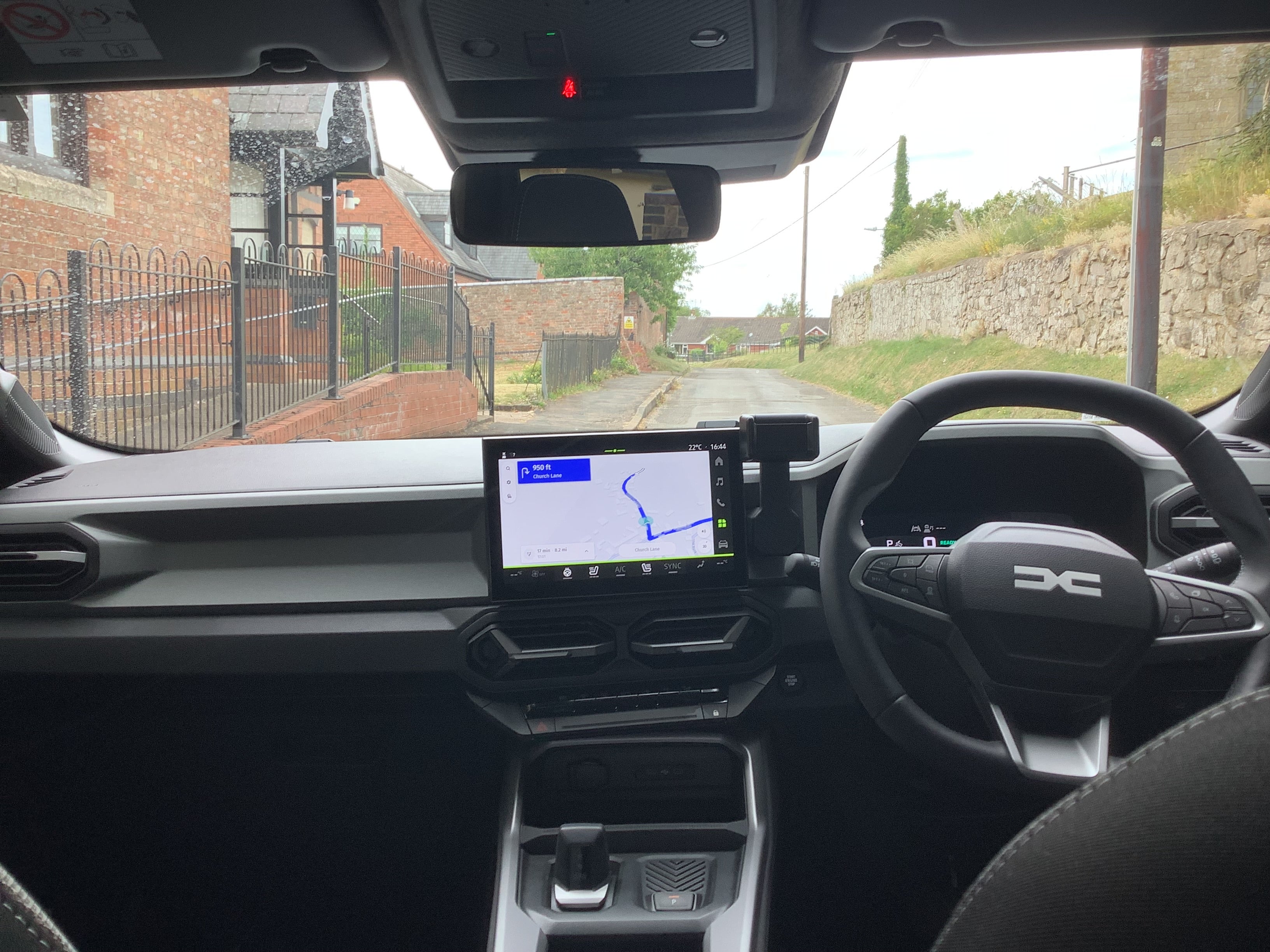
But the noticeable thing about the Bigster is that its extra capacity is given over to its length rather than its width. It actually reminded me of the way Volkswagen Group convert their VW models into Skodas – basically making them longer on their group-standard modular chassis, but usually little if any wider. Such is the case with the Bigster, which is based on the popular Dacia Duster, stretched quite considerably past the front door pillars, and jacked up a little more. If we’re being accurate, then, the Bigster should be called the Longster, or some such, but that would be odd as well as silly. As with the VW/Skoda precedent, the adaptation of another model to create a big brother is very successful – with the great advantage of being much more manoeuvrable on urban streets and narrow country lanes alike (and being a little more off the ground, you can also edge into a pavement or verge). The view from the driver’s seat is fairly commanding – not Range Rover, but not bad – and there’s a fair mix of touchscreens and physical controls. As usual with a Renault Group product, there’s a little pod behind the steering wheel that controls the radio, which I’ve never found entirely satisfactory.
So you get the picture, and it’s a typical Dacia – everything you need, pretty much, and no more with an economical petrol-electric hybrid powertrain, in two flavours, and a highly attractive price. The base model, called Expression, with the “mild hybrid” power unit, which is to say it’s mostly like a conventional petrol car, is yours for £25,215, which pits it against the MG HS, the value king of the sector. The full Bigster experience – with four-wheel drive, or 19-inch wheels and all the options won’t be much more than £30,000. It’s a challenge to the established competition such as the Nissan Qashqai and Kia Sportage, but they’re a cut above the Dacia, to be fair.


It’s also a nicely styled vehicle that carries its very slightly unconventional lines well – generic with more than a hint of Seat Ateca about it, but you would never be embarrassed to be seen in it. The only grumble is that the Bigster, in its full hybrid iteration with the regenerative engine braking system, is a bit grumbly, especially when braking and sometimes even under gentle acceleration. There’s some reasonably advanced technology under that unprepossessing exterior, but I wonder whether they might have economised on the sound-deadening side of things. All said and done, though, you know, it is quite big/long. Can’t argue with that.
Join our commenting forum
Join thought-provoking conversations, follow other Independent readers and see their replies
Comments
Bookmark popover
Removed from bookmarks