Nissan Qashqai e-Power: a hybrid that lives up to EV-like billing – almost
The Japanese marque’s ‘e-Power’ system promises to imbue this new hybrid with ‘EV-like smoothness’, and does a respectable job of it, writes Sean O’Grady

Remember when diesel was the holy grail of motoring? About two decades ago, so you may be forgiven for being hazy on the point, but back then the automotive industry, European governments and, yes, car journalists drank the dieselly Kool-Aid, so to speak.
The (then) new orthodoxy was that diesel was cleaner and more economical than petrol, which had usually been true, but that now, in the 21st century, the manufacturers had developed turbo-charging technology and engine design to such an extent that the lucky drivers of 2005 could have their cake and eat it – superlative economy and excellent performance.
We were reassured that the nasty sooty particulates had been kept under control. BMW and Audi championed the new diesel dawn, which added some respectability, not to say glamour. A few years later came Dieselgate, and the filthy truth. Not many diesel options for new car buyers now (albeit they still have their uses).

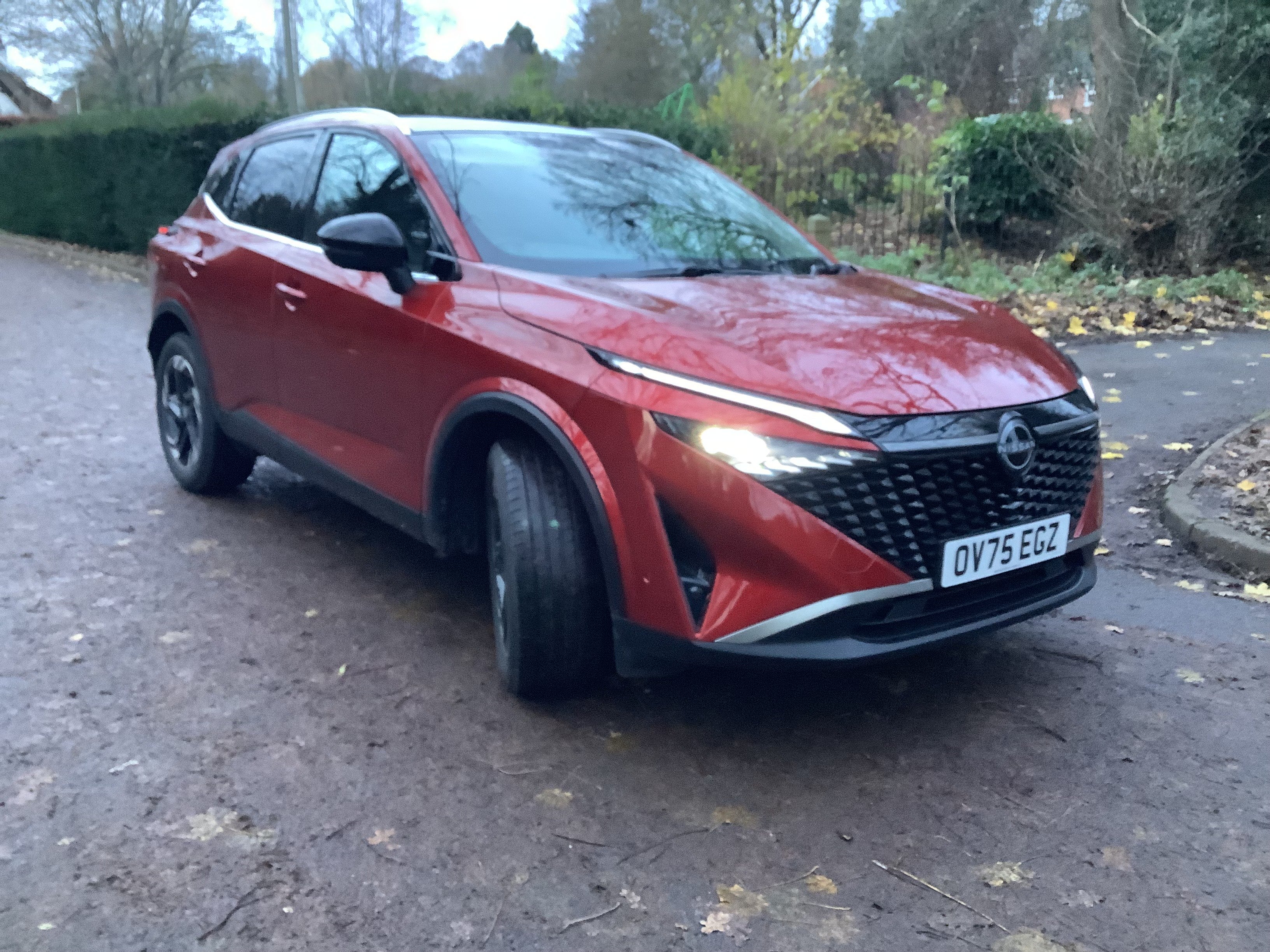
I was put in mind of the cautionary experience – I confess I was taken in – by a line in the press release accompanying the latest version of the Nissan Qashqai. It says that the company has made such advances on its unusual “e-Power” system that it will “deliver EV-like smoothness” and it “surpasses the performance of a 2007 diesel test”.
That translates to about 62mpg and a range on a tank of petrol of some 745 miles, or at least that’s the claim. Crucially, in today’s world, CO2 emissions in this latest update of the Qashqai have been suppressed all the way down to 103g/km. That is still far dirtier than any proper EV, but, fair to say, an impressive achievement. (Mild hybrids are also available.)
But recalling those grandiose claims about diesel, is it true that the petrol-powered Qashqai replicates the refinement of a fully battery-powered vehicle? Can we have our cake – not worrying about running out of battery power – and eat it, with a well-performing, ultra-quiet ride?
Not quite, but it does an honest job of trying. The Nissan Qashqai e-Power system is now upgraded with the more efficient battery packs designed for their next generation all-electric models such as the New Leaf, so in that respect, this basically older design has found a cutting edge.
So when it runs on electric power only, it does have a very EV-like personality – lively acceleration, smooth delivery and quietude. But it does still rely on a petrol engine, and when the car is pressed hard or has to try to keep its occupants warm in winter, the internal combustion engine makes its presence felt.
THE SPEC
Nissan Qashqai N-Connecta e-Power Auto
Price: £37,330 (range starts at £30,615)
Engine capacity: 1.5l petrol 4-cyl + electric motor, auto
Power output (PS): 205
Top speed (mph): 105
0 to 60 (seconds): 7.9
Fuel economy (mpg): 61.4
CO2 emissions (g/km): 103
The engine is used purely to generate electricity and recharge the on-board batteries – and only the electric motor is directly connected to the driven wheels. But that means that energy created by the petrol unit has to be converted into electrical power first, rather than just driving the wheels, as in a conventional petrol car. So you are adding another stage in the process, which is inherently less efficient, even if Nissan claims it is minimal.
On the road, in the real world I doubt many Qashqai drivers will know or care about the innovative technology pulling them along, because the many virtues of the Qashqai are very familiar and the new version, benefiting from a fairly recent facelift and this technical upgrade, is still fairly competitive.
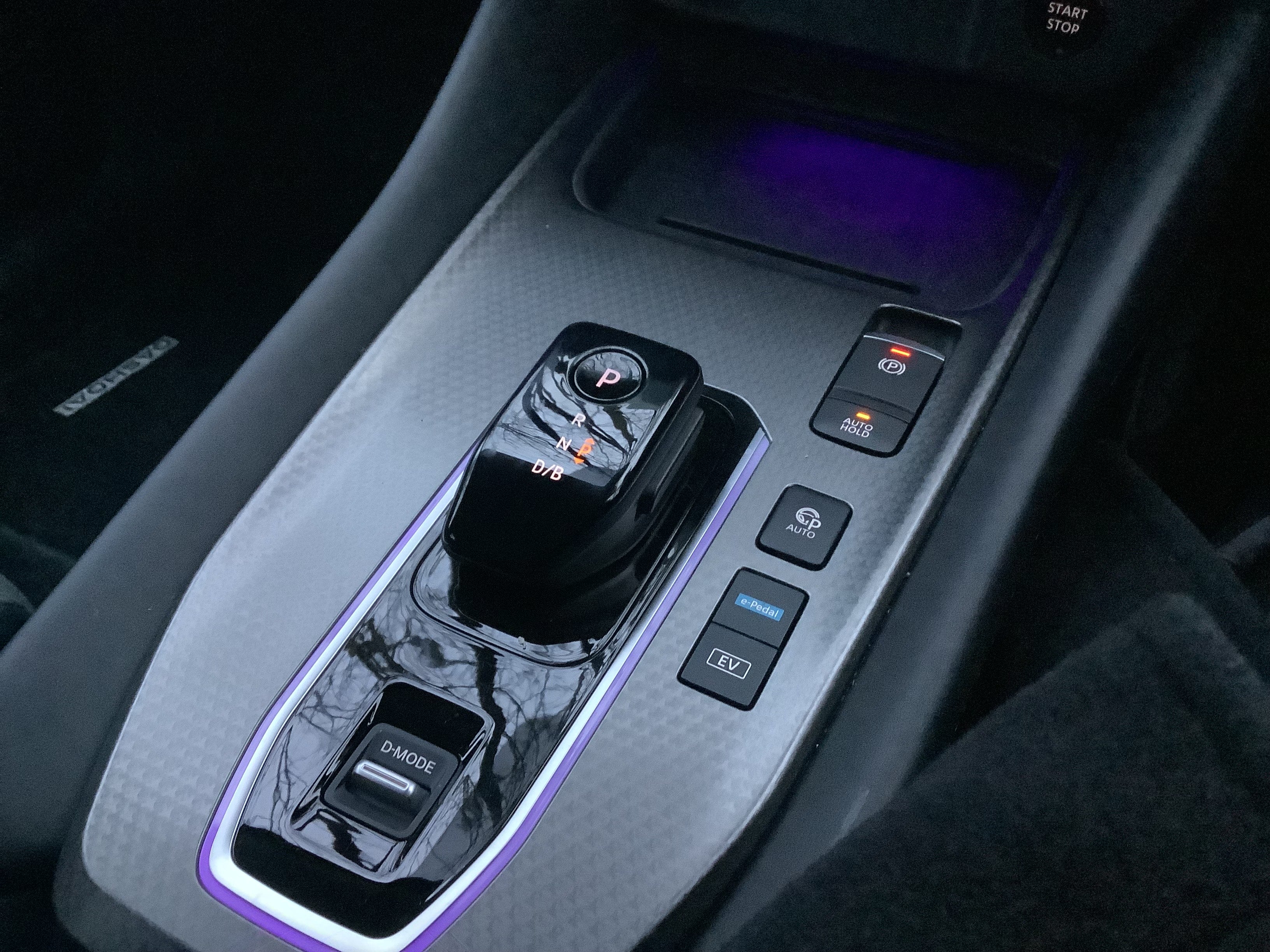
It drives better than ever, in fact, and it still has one of the most intuitive sets of driver assistance I’ve come across (they call it ProPilot). It’s well built, in Britain, and while the interior lacks the huge digital screens that have become de rigeur these days, some of us will always prefer knobs and buttons.
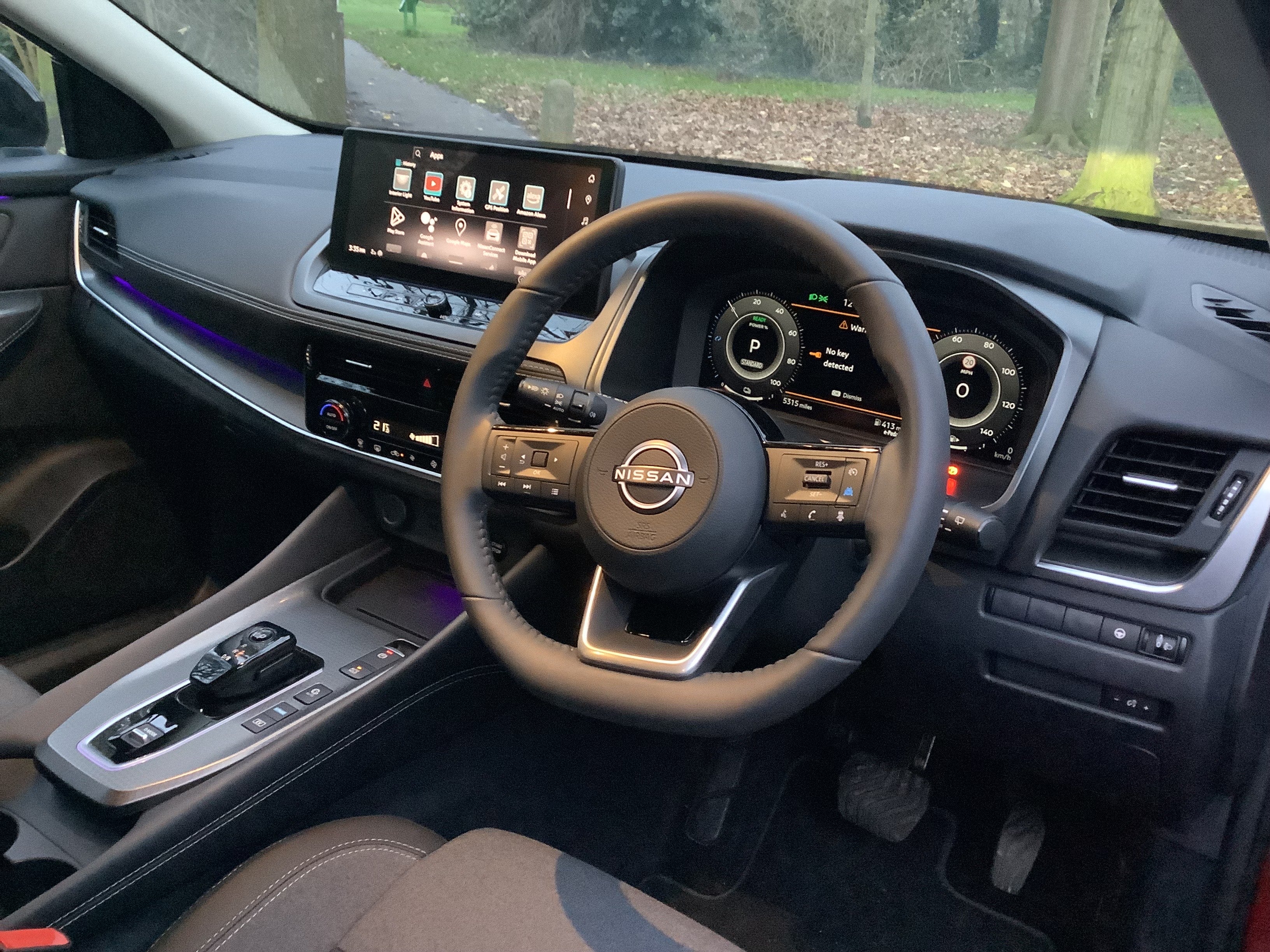
The Qashqai is undeniably getting on a bit, having been around in this form since 2021, and if you compare it with the newest models coming from the likes of BYD, there is a contrast. Yet Nissan have done well to keep freshening it up, retaining its basic appeal and keeping it competitive.
The good news, if you’re a Qashqai fan, is that the recent relaxation in the government’s EV mandate means that Nissan’s e-Power models are classed as high-efficiency hybrids and will be on sale new until 2035. Meanwhile, we have an all-new, all-electric Nissan model to turn over the next “Leaf” in their British success story.
Join our commenting forum
Join thought-provoking conversations, follow other Independent readers and see their replies
Comments
Bookmark popover
Removed from bookmarks