How Queen Elizabeth protected Andrew for years – with devastating consequences
Long regarded as the Queen’s favourite son, Andrew Mountbatten‑Windsor grew up with a sense of entitlement, which made him feel untouchable for decades. Royal author Nigel Cawthorne examines how so many others have been left to pay the price
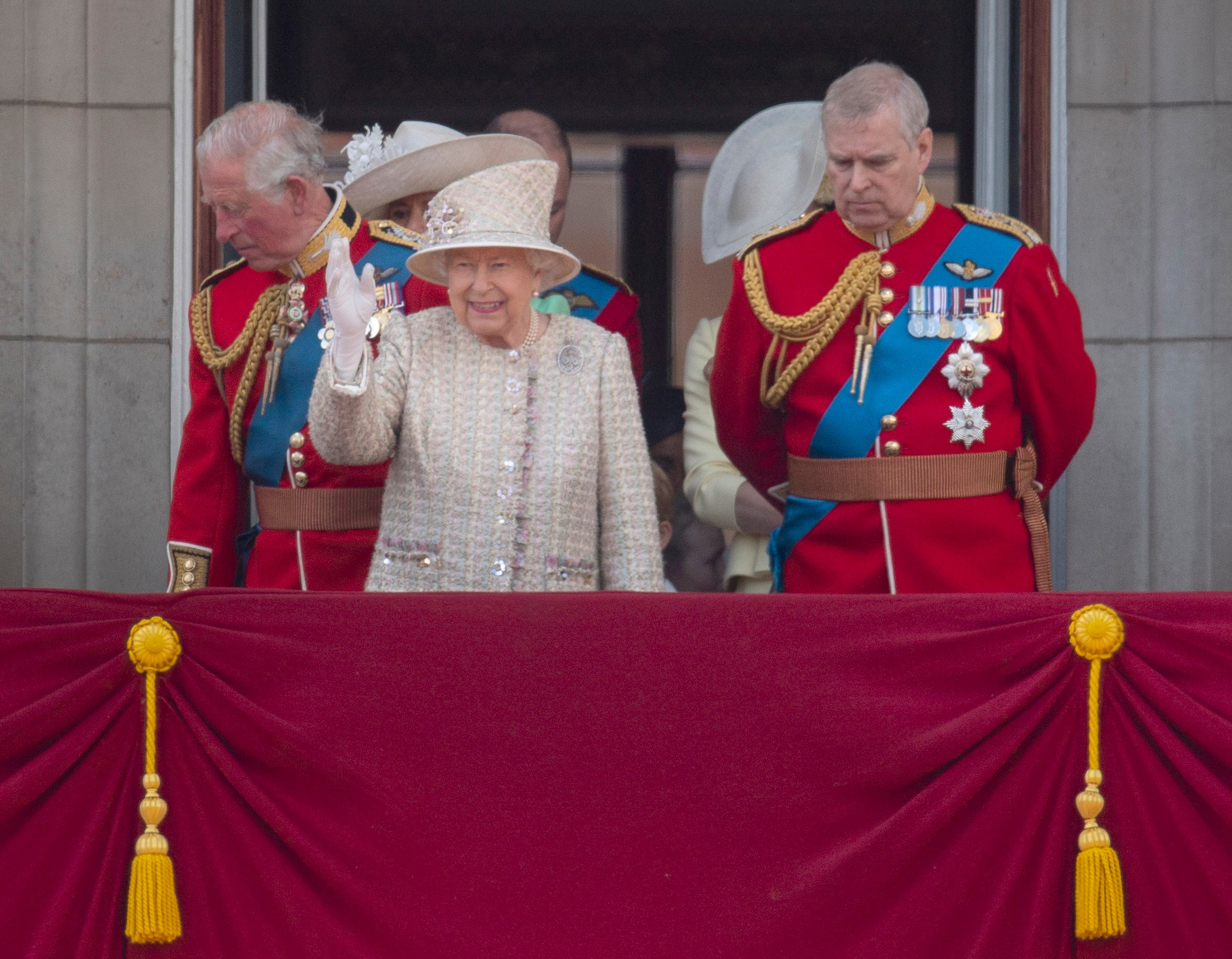
The announcement that King Charles was stripping his brother Andrew of his remaining titles had a special poignancy. One thing that nobody denies about Mr Mountbatten‑Windsor is his sense of entitlement. In her posthumous biography Nobody’s Girl, his accuser, Virginia Giuffre, said of their encounter in Ghislaine Maxwell’s Belgravia home in 2001: “He was friendly enough, but still entitled – as if he believed having sex with me was his birthright.”
While Andrew Mountbatten‑Windsor insists he “vigorously” denies the accusations against him, many people have already made up their minds. The latest tranche of Epstein files has not helped his case, revealing damning new photographs of the former prince crouching on all fours over a young woman splayed on the carpet beneath him. Nor have the emails to Epstein in which Andrew promised to “play more soon!!”, exposing the falsehood of his claim that he had cut off all contact with the convicted sex offender.
Add to this newly released emails that appear to show Andrew forwarding reports from his role as the UK’s trade envoy, and he is again becoming the focus of renewed police interest. After the Metropolitan Police closed their investigation into claims that, in 2011, he asked one of his taxpayer-funded protection officers to dig up damaging information about Virginia Giuffre, Thames Valley Police are now assessing allegations that Andrew Mountbatten-Windsor shared confidential government reports with Jeffrey Epstein.
The picture being painted grows murkier by the day.
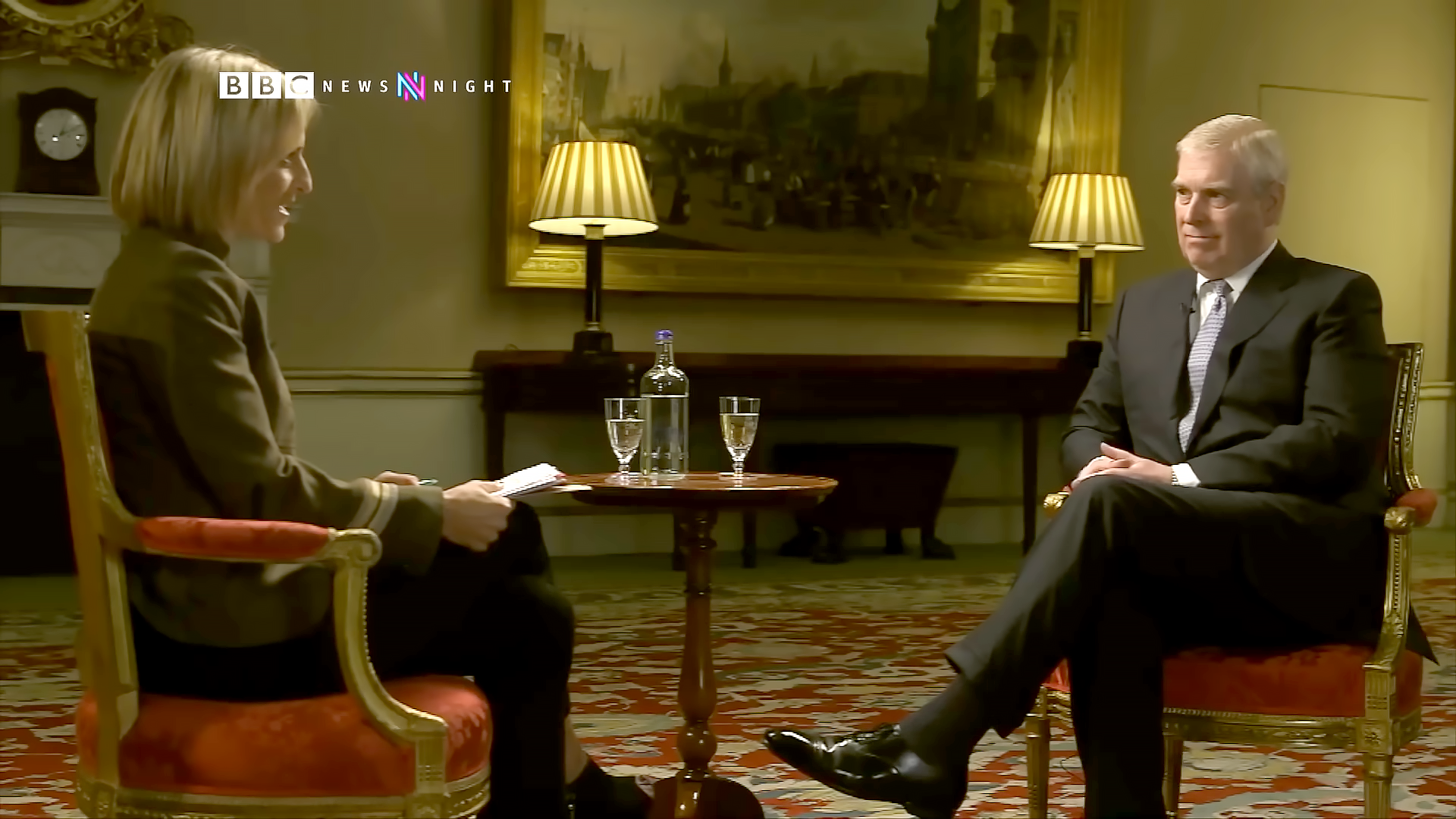
Watching replays of the now‑infamous Emily Maitlis interview has left many wondering what made him think he could get away with such audacious falsehoods. But an upbringing in which you are addressed as “Your Royal Highness” as soon as you can toddle breeds an overweening sense of entitlement. Andrew has self‑worth in spades – instilled largely by his mother and great protector, the late Queen Elizabeth II. She is no longer here to shield him, and it was only a matter of time before his elder brother, King Charles, meted out a punishment that many felt was long overdue and well deserved.
There was sibling rivalry from the beginning. When Charles was born, his mother had little time for him. Her father’s health was failing and she was obliged to take on public engagements on behalf of the King. Prince Philip, then a serving naval officer, was stationed in Malta. Less than a week after Charles’s first birthday, Princess Elizabeth joined him there, leaving her son in the care of nursery staff.
When Charles contracted tonsillitis, neither parent returned home. His mother visited on his second birthday, but on his third, she was touring the US and Canada. Soon after, she was in Kenya when the King died on 6 February 1952, and Elizabeth became Queen when Charles was just three.
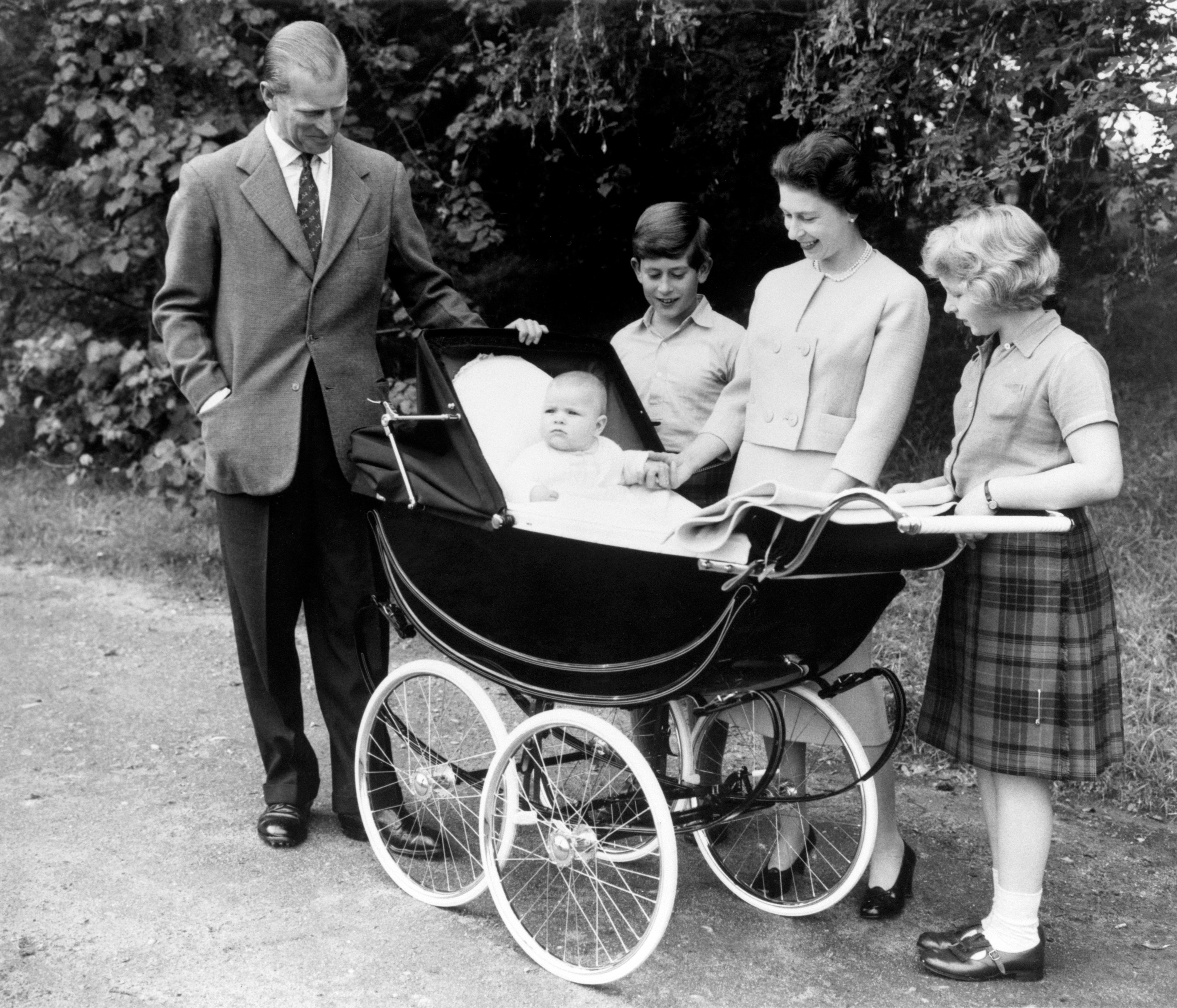
Eight years later, while Charles was away at boarding school, Andrew was born. By then, the Queen had settled into the role of monarch. She cut evening engagements and scaled back foreign tours to spend time with her new son. She pushed him in his pram around the palace gardens, visited the flamingos on the lake and, when the nanny had an evening off, took charge of bedtime – all things Charles had rarely, if ever, experienced. Staff nicknamed Andrew “Baby Grumpling” for his tantrums; Philip called him “The Boss”. However unruly he was, he was seldom punished. He was openly considered the favourite by many visitors and onlookers.
Both boys were sent to Gordonstoun, the austere Scottish boarding school Philip had attended. Charles found it brutal – “Colditz in kilts”. By the time Andrew arrived, the regime had softened: central heating, carpets, curtailed corporal punishment and, crucially, girls. Andrew began earning his “Randy Andy” reputation.
The brothers followed their father into the Royal Navy. While Charles eventually commanded an ageing minesweeper in home waters, Andrew flew helicopters in the Falklands conflict. Upon his return, he was hailed as a hero – only adding to his sense of entitlement. Honours followed. In 2003, Andrew was made a Knight Commander of the Royal Victorian Order; in 2011, the Queen privately elevated him to Knight Grand Cross of the same order. He collected medals, then joined her for tea.


When Charles married Diana and had two sons, Andrew slid down the line of succession and, like many “spares”, struggled for purpose. After leaving the navy, he became a UK trade envoy. “Airmiles Andy” amassed expenses, jetted around the world, played golf, associated with questionable figures and attracted criticism – but the Queen’s soft spot for him never hardened.
However, that aura of untouchability collapsed in 2010 when the News of the World published a photograph of him with convicted paedophile Jeffrey Epstein. He stood down. The palace hoped that would end it. But Virginia Giuffre was already speaking to police. In 2009, she filed suit anonymously as Jane Doe against Epstein and Ghislaine Maxwell, who is now in America serving a 20‑year federal sentence for trafficking minors.
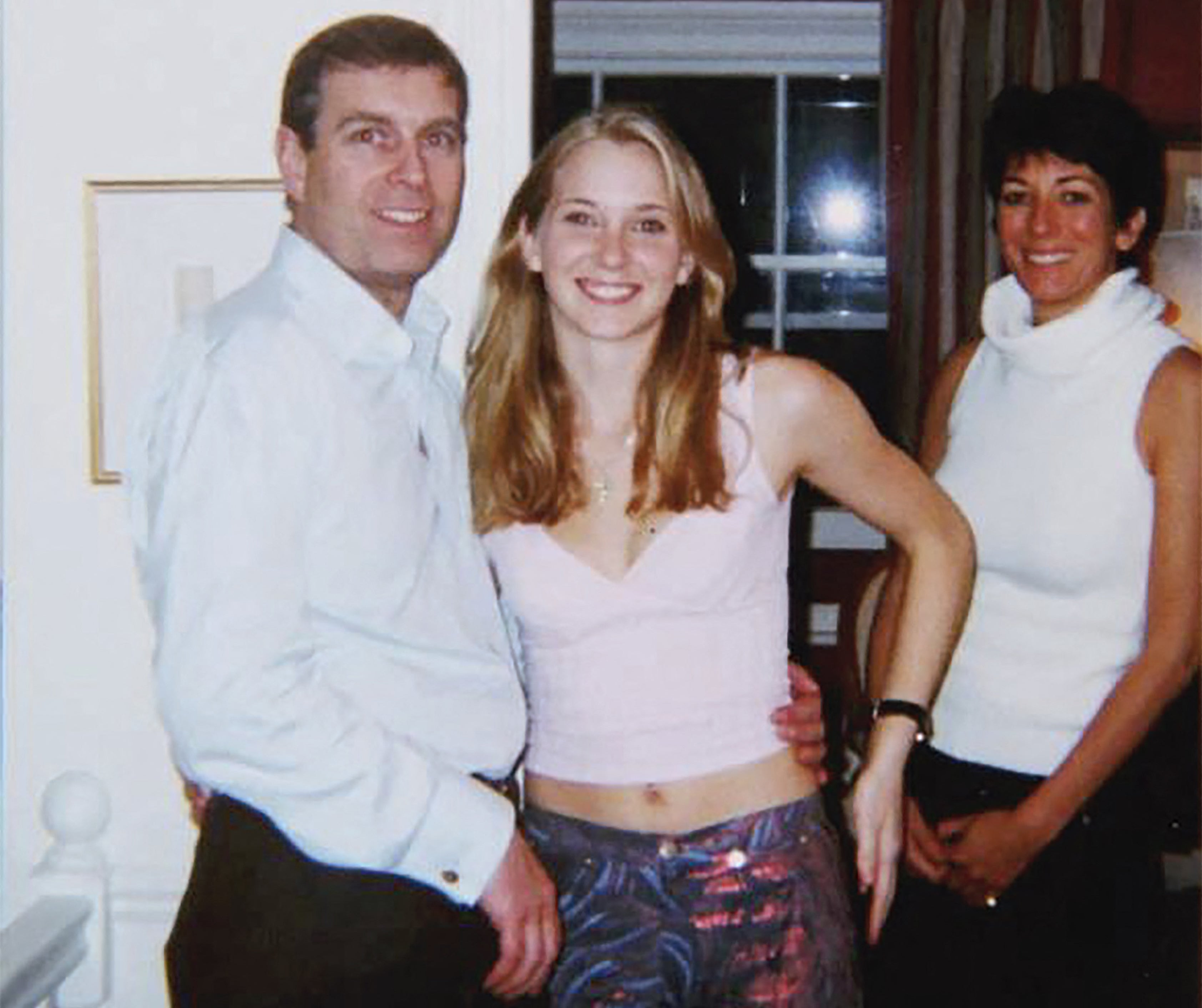
Despite the allegations that Giuffre had been trafficked and forced to have sex with Andrew – which he denies – the Met declined to investigate. The US Department of Justice made repeated Mutual Legal Assistance Treaty (MLAT) requests for Andrew to be interviewed by the FBI. He said he would cooperate, but never did. Under MLAT protocol, if Andrew refused, the Home Office should have facilitated Met questioning. None of this happened, prompting questions over who might have been shielding him.
In August 2021, Giuffre filed a civil suit in New York accusing him of sexual assault. She wrote in her memoir that when proceedings were launched, legal papers could not be served because Andrew “fled to Balmoral and hid behind its gates.” Judge Lewis Kaplan eventually ruled that papers could be served via his Los Angeles‑based lawyers.
The suit was settled with no admission of liability for a reported £12m. A source familiar with the deal said it was only signed once Andrew showed proof of funds from the £17m sale of a Swiss chalet. It was widely reported that the Queen contributed significantly to the payment out of her private funds, including a personal donation to Giuffre’s victims’ charity. Even then, Andrew retained privileges: Counsellor of State, Duke of York and Vice‑Admiral. At Prince Philip’s memorial service, Andrew escorted the Queen – considered by many a striking signal of her unwavering support.
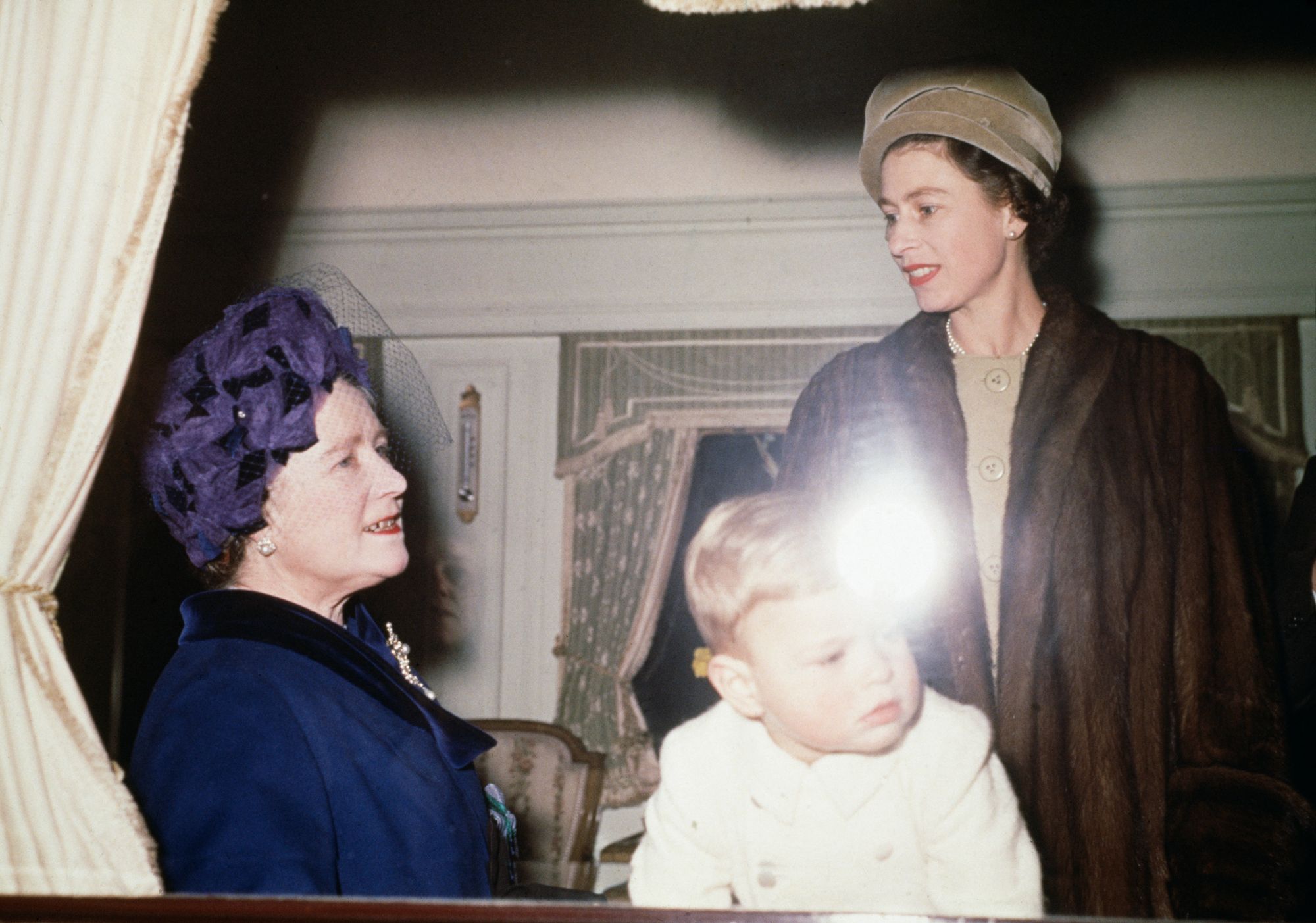
His mother’s protection shaped his sense of invulnerability. But she is gone, and Charles finally brought down his sword - stripping him of his homes and evicting him from his royal residence in Windsor. Yet this is far from over.
Members of the House Oversight Committee have formally requested that Andrew give a “transcribed interview” with the committee as part of its inquiry into the late convicted sex offender Jeffrey Epstein’s sex-trafficking network. While Epstein’s victims lawyers say doing so could shed light on the full extent of Epstein’s criminal network and any enablers, Members of Congress say they have had no reply to their invitation
This is about more than titles or residences. A young woman whose claims were credible enough for a US federal court is now dead. The public still believes that someone must be held accountable – or at least, compelled to tell everything they know. Andrew continues to deny all allegations. The Thames Valley police remains in “review” mode, not actively investigating.
While the rest of us reel from the latest revelations the Epstein files, powerful people remain silent. Those files still may be the only route to the truth and to accountability, if true justice is ever to be served.
Nigel Cawthorne is the author of ‘War of the Windsors’ (Welbeck) and ‘Prince Andrew: Epstein, Maxwell and the Palace’ (Gibson Square)
Join our commenting forum
Join thought-provoking conversations, follow other Independent readers and see their replies
Comments
Bookmark popover
Removed from bookmarks