Should the US adopt Australia’s social media ban for teens? Experts weigh in
As millions of teens in Australia had their Instagram accounts deactivated, psychotherapists and psychologists in the US say this social media ban is for the better
Australia has officially banned teens from using social media until they’re 16, leaving many to wonder if the U.S. could follow its lead.
The social media ban, which took effect December 10 in Australia, requires 10 of the largest social networks, including TikTok, YouTube, Instagram, Facebook, and X, to turn anyone under the age of 16 away. If any of these platforms fail to take the steps to block children from having accounts, the companies will face fines of up to $49.5 million Australian dollars ($32.9 million USD).
Many children in Australia are unhappy about the ban, with one teen tweeting ahead of time that they’ll have “no more contact with the rest of the world” and another 15-year-old saying he has no idea how he’ll keep in touch with his long-distance friends.
Despite the discourse, many mental health experts in the U.S. believe that Australia is actually taking a step in the right direction, given how addictive social media apps can be for children. Speaking to The Independent, New York City-based psychotherapist Jonathan Alpert explained how he’s seen social media negatively impacted children’s developing minds.
“They keep kids locked into reward loops that heighten anxiety, shorten attention spans, and create a constant sense of comparison. I’m also seeing more teens who struggle with face-to-face communication because so much of their social life has moved online,” Alpert, author of Therapy Nation, said.
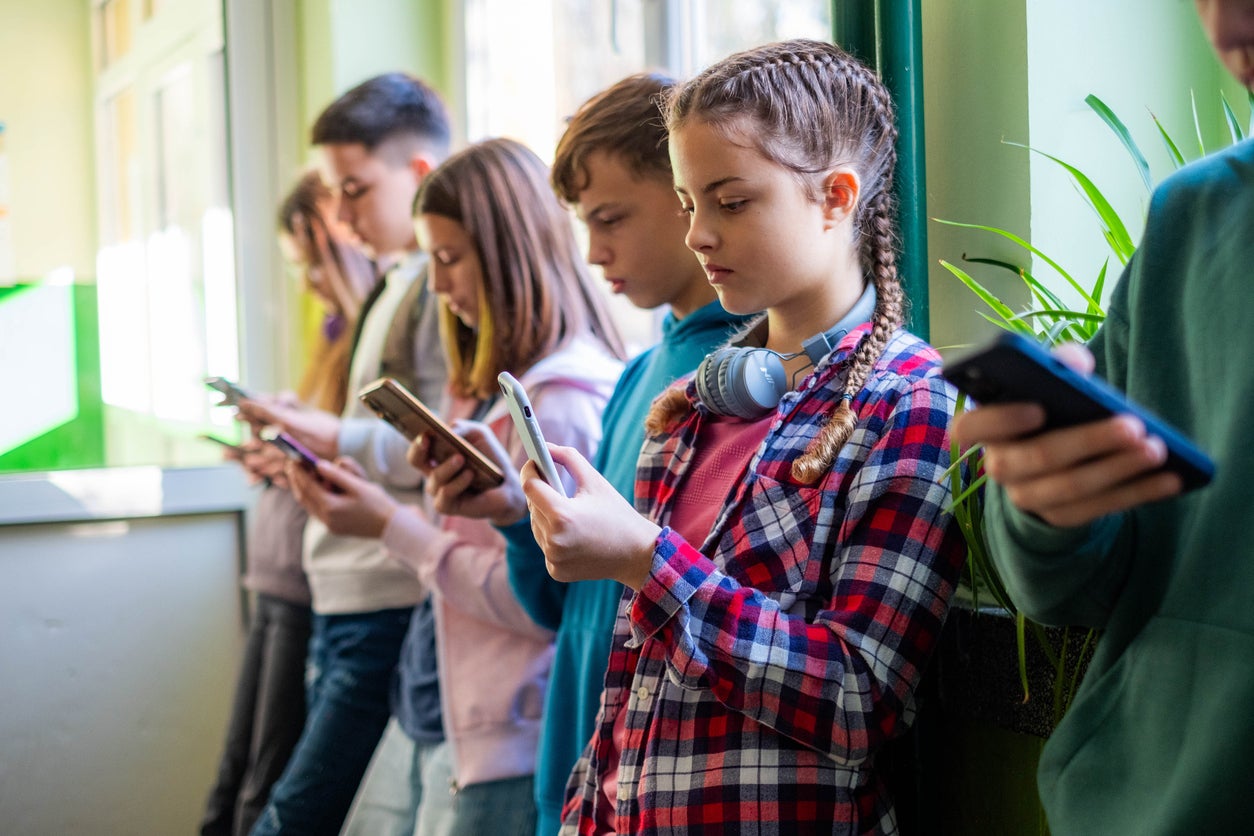
He also acknowledged that if the U.S. banned young kids from using social media, it would reduce cyberbullying and experiencing the constant social comparison that undermines self-esteem. This would also give children’s developing brains a chance to mature before they are hooked to Instagram and TikTok.
“It gives kids space to develop real-world social skills. When kids spend less time online, they spend more time interacting in person, dealing with conflict, and learning how to read social cues,” he added. “Those are foundational skills that many teens today are missing because so much of their social life happens on a screen.”
Research has continued to find that social media harms kids’ well-being. In a recent study published in JAMA Network Open, researches found that as children, aged nine to 13, increased their daily social media use from an average of seven to 73 minutes over three years, their symptoms of depression rose by 35 percent.
Earlier this month, doctors at UC San Francisco also found that just an hour spent on a social media app each day can knock down test scores by one or two points for students between the ages of nine and 13. Students who spent as many as four hours per day on social media saw up to a five-point drop on their tests.
Dr. Gail Saltz, Associate Professor of Psychiatry at the NY Presbyterian Hospital Weill-Cornell School of medicine, told The Independent that she understands Australian teens' frustrations about being barred from social media, since they no longer have the freedom to use the apps they want.
However, just like Alpert, she believes that the cons of kids using social media before the age of 16 outweigh the pros.
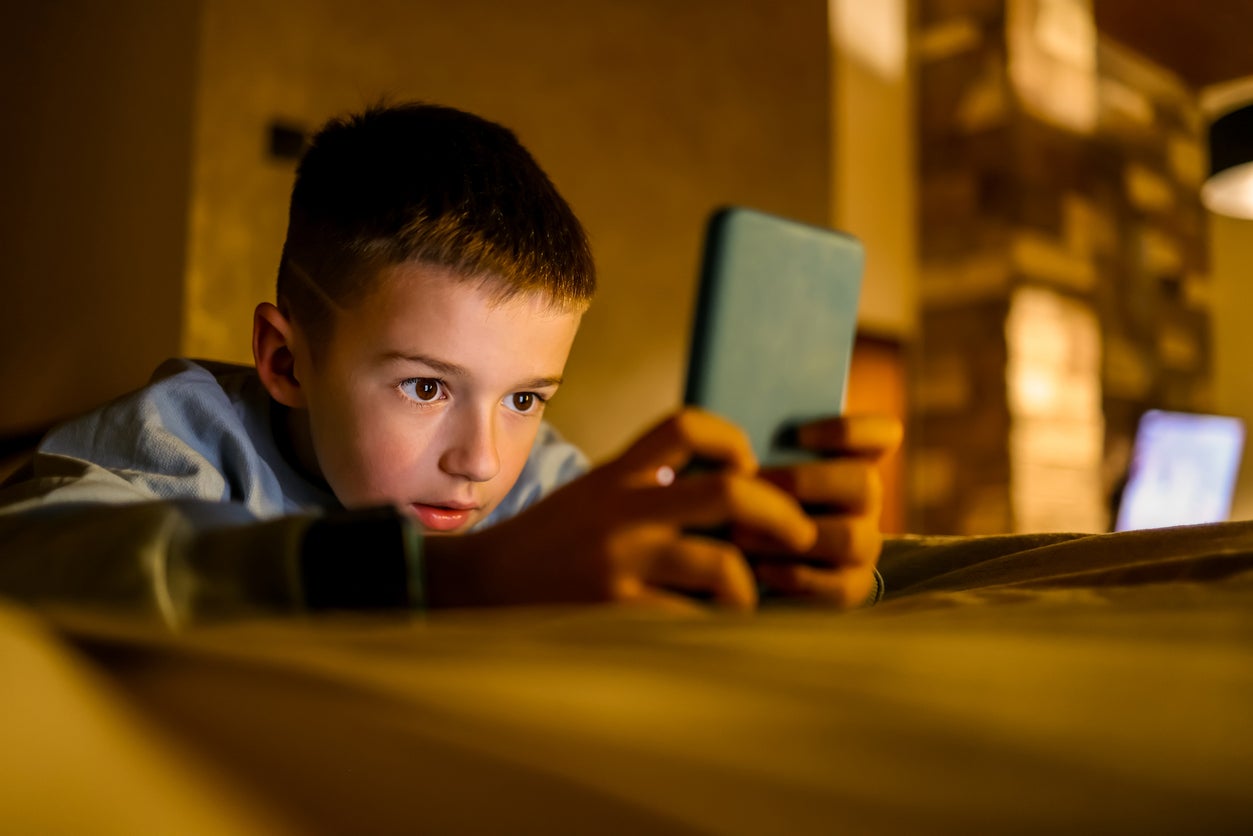
“Kids become addicted to social media quite easily. The jury is out as to whether the impact on the brains of young people whose brains are still developing may permanent changes in neurocircuitry,” she added. “So from a youth health perspective, delaying as long as possible the participation in social media is very beneficial.
According to Saltz, 16 is also the most suitable age for children in the U.S. and other countries to create social media accounts.
“This ban took child development and the risks like bullying, etc. into account and chose 16,” she noted. “Maturity of the child, judgment of the child, susceptibility, mental health all influence when they are ready.”
Many U.S. states are already putting restrictions on social media usage for kids. Last year, California Governor Gavin Newsom signed a bill that prohibits social media platforms from knowingly providing certain feeds to children without parental consent. In October, he also signed a bill that requires social media apps to display health warning labels for minors and check children’s ages.
Also last year, Maryland governor Wes Moore started the Maryland Kids Code, which seeks to limit data that could be collected from children online and protect them from being flooded with harmful material they were not trying to find. However, it has faced several legal challenges, with tech groups claiming the act infringes on their free speech rights.
Join our commenting forum
Join thought-provoking conversations, follow other Independent readers and see their replies
Comments
Bookmark popover
Removed from bookmarks