What the builder won’t tell you about home energy-efficient ‘retrofits’
Eco-renovator and author Judith Leary-Joyce tells Lisa Salmon builders may not always have energy efficiency on their radar.
Our homes are supposed to keep us warm and dry – but all too often they’re letting warmth leak out and increasing our already sky-high energy bills.
Energy-efficiency measures are what’s needed to make homes – and particularly older ones – more comfortable and economical. And these days, the way to make homes more energy-efficient while adding value is through sustainable, eco-friendly renovations.
Such renovations are called ‘retrofits’ (adding energy-efficiency measures that weren’t included when a property was built), and most of us might expect a builder to tell us what’s needed for one.
But they might not always do so, warns Judith Leary-Joyce, an eco-renovation and retrofit advocate and author, who’s just written a book called What The Builder Won’t Tell You.
“Retrofit improves the energy-efficiency of your home, making it more comfortable to live in, cheaper to run and adding to its value,” she explains. “But builders don’t yet have this on their radar. The most they’re likely to do is suggest standard levels of insulation and a more efficient gas boiler.”
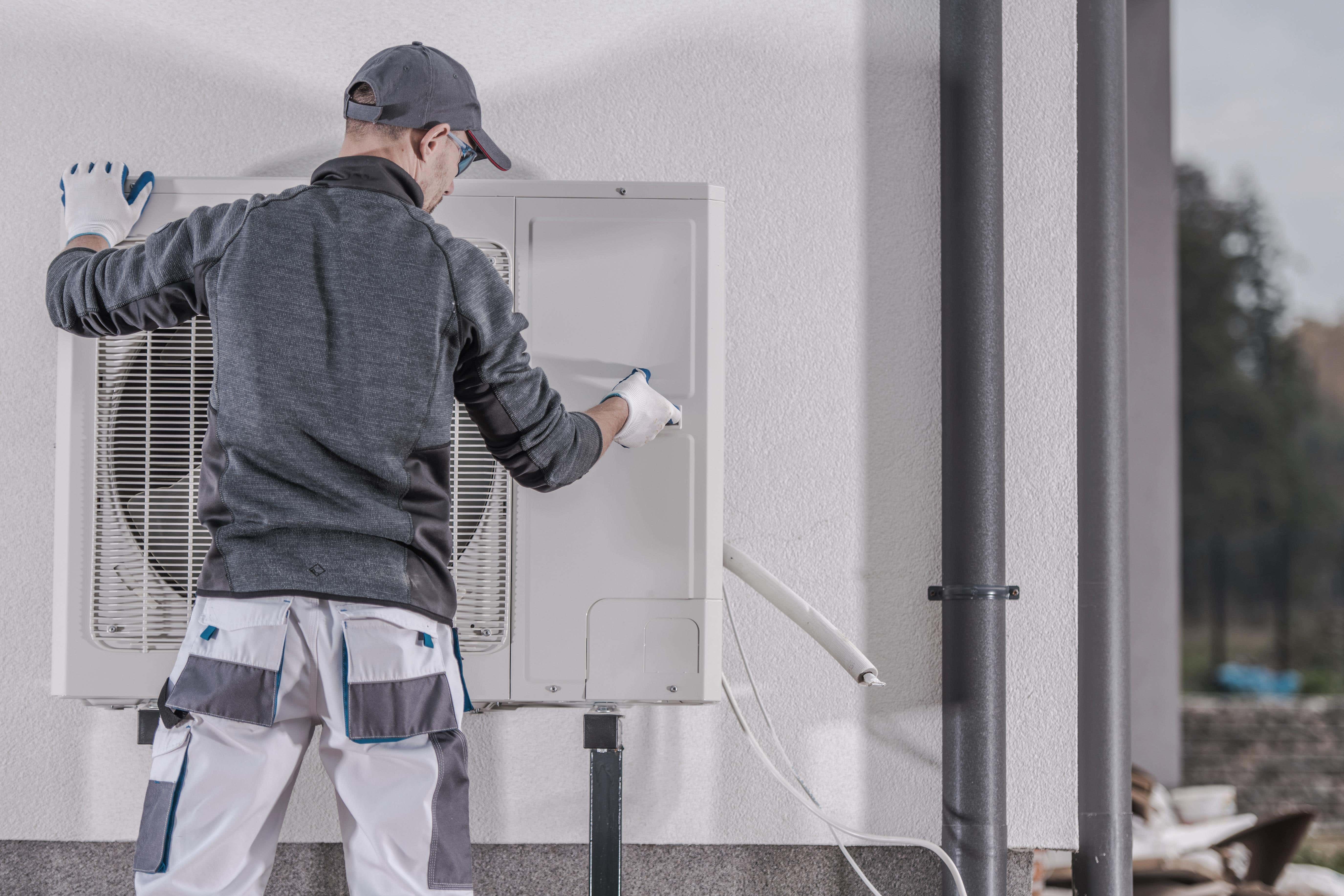
Leary-Joyce, who has also written the Beginner’s Guide To Eco Renovation, says retrofits include insulation, improving airtightness to prevent draughts, improving ventilation – without losing heat – to help prevent condensation and mould, adding sustainable heating such as an air source or ground source heat pump which draws heat from the air or the earth, and fitting a renewable energy source.
She recommends such eco-friendly measures from her own experience, explaining: “We did all this in our Victorian terrace and we’re saving 75% of our energy usage. We’re also considerably warmer and our house is worth £90,000 more than the equivalent home that hasn’t been retrofitted.”
But when Leary-Joyce and her husband decided to pursue a retrofit instead of a simple home renovation, they found their builder “had his own way of working and generally stuck to it. An eco builder he wasn’t.”
However, he was happy to discuss other options, and was open to Leary-Joyce’s input about the project being as eco-friendly as possible.
In the new book, she asks: “Why don’t builders talk about this? Maybe they think we won’t be interested? Maybe they just don’t know? Maybe they need a push to venture out of their comfort zone? Whatever the reason, it’s a very rare builder who’ll suggest retrofit or talk about natural materials.”
But after the success of her own home retrofit, Leary-Joyce wants more homeowners to join her in the ‘retrofit revolution’, pointing out: “You need to know what the builder can’t or won’t think to tell you. And, if they do tell you, you need to be able to understand what they’re saying.”
Here, she explains what eco-friendly retrofit measures builders may not be familiar with or suggest as an option…
1. Eco-friendly insulation materialsInsulation will make your home warm in winter and cool in summer – as long as you use the correct materials for the property, stresses Leary-Joyce.
“There’s a whole range of very effective, natural insulation materials that manage moisture well and keep you warm and cool – but the majority of builders don’t know about them,” she says.
“Most builders default to plastic-based, synthetic insulation because it’s easily available and cheap. The problem is, it leaves you at high risk of condensation – it’s like wrapping your home is a big plastic bag. It will keep you warm in winter, but it can’t manage heat, so your home will be extremely uncomfortable on hot summer days.”
She explains that while old houses (pre-1930) need natural, vapour-permeable materials, new houses can manage synthetic as long as a highly efficient ventilation system to manage the moisture is included.
2. Gaps in airtight knowledge
It’s no use investing in heat pumps and insulation if the heat they create or aim to hold in seeps out through gaps in walls, roofs or floorboards, or is diluted by draughts.
Leary-Joyce warns: “If you insulate without airtightness, you’ll be disappointed – air gets through the tiniest of gaps.
“Getting this right is all about being exceptionally careful – every join needs to be sealed in, every inlet left by the plumber sealed up, even the lights fitted into the ceiling.
“I haven’t yet met a standard builder who knows anything about this. You’ll need to stick to your guns to get them working on this and watch carefully to make sure it’s done properly.”
3. Ventilate with more than just trickle ventsLeary-Joyce says a family of four produces 20 litres of moisture per day and, if the house is airtight, that moisture has nowhere to go.
“So it sits around providing the perfect environment for mould,” she says. “But put in good ventilation and all that moisture is moved out of the house. “
Installing a ventilation system means that air is filtered – no more allergens or dust – and some of the units make it easier to dry laundry, she explains.
“Don’t expect a builder to tell you about ventilation beyond trickle vents in your windows,” she says, pointing out that “horror stories” of mushrooms growing on internal walls are usually because builders have used synthetic insulation materials, “wrapping the house in plastic”, without adding ventilation.
“Trickle vents are definitely not enough if any attempt to retrofit has been made,” she stresses. “Maybe builders should be required to return to a property 12 months after completion to see what state the house is in. They could take the building inspector with them – then maybe building regulations would up their game and require better ventilation.”
4. Heat pumps – a ‘Marmite issue’
Leary-Joyce believes some people and builders love heat pumps and others hate them.
“This is a Marmite issue – some love them and some can’t stand them,” she says. “But when installed and set up correctly, there’s no doubt they work efficiently, providing a comfortable, steady warmth throughout the house by drawing heat from the air – even when it’s cold outside.
“Don’t expect a builder to tell you about the efficiency measure though.”
She says the efficiency measure – aka the ‘coefficient of performance’ – can be explained by the illustration that if you put £1 into a gas boiler, you get £0.70p worth of energy back out, but when you put £1 into an air source heat pump, you get between £3 and £4 of energy back.
“I don’t think builders are purposely withholding information,” she stresses. “I think the majority just don’t know about the different options. When I’ve spoken with builders who’ve been required to work in this way and use natural materials, then they really like it. Less risk for them – no nasty chemicals and VOCs [Volatile Organic Compounds] to work with.
“So, if we homeowners understand the basics and tell the builders this is what we want, we can help drive a change towards more comfortable homes that are worth more because they’re ready for a changing future and saving us a lot of money along the way.”
What The Builder Won’t Tell You by Judith Leary-Joyce is published by AoEC Press, priced £12.99. Available now.
Bookmark popover
Removed from bookmarks