Average £2,000 headache for home buyers from collapsing property chains – survey
Long property chains can add stress to the home-buying process, Barclays said.
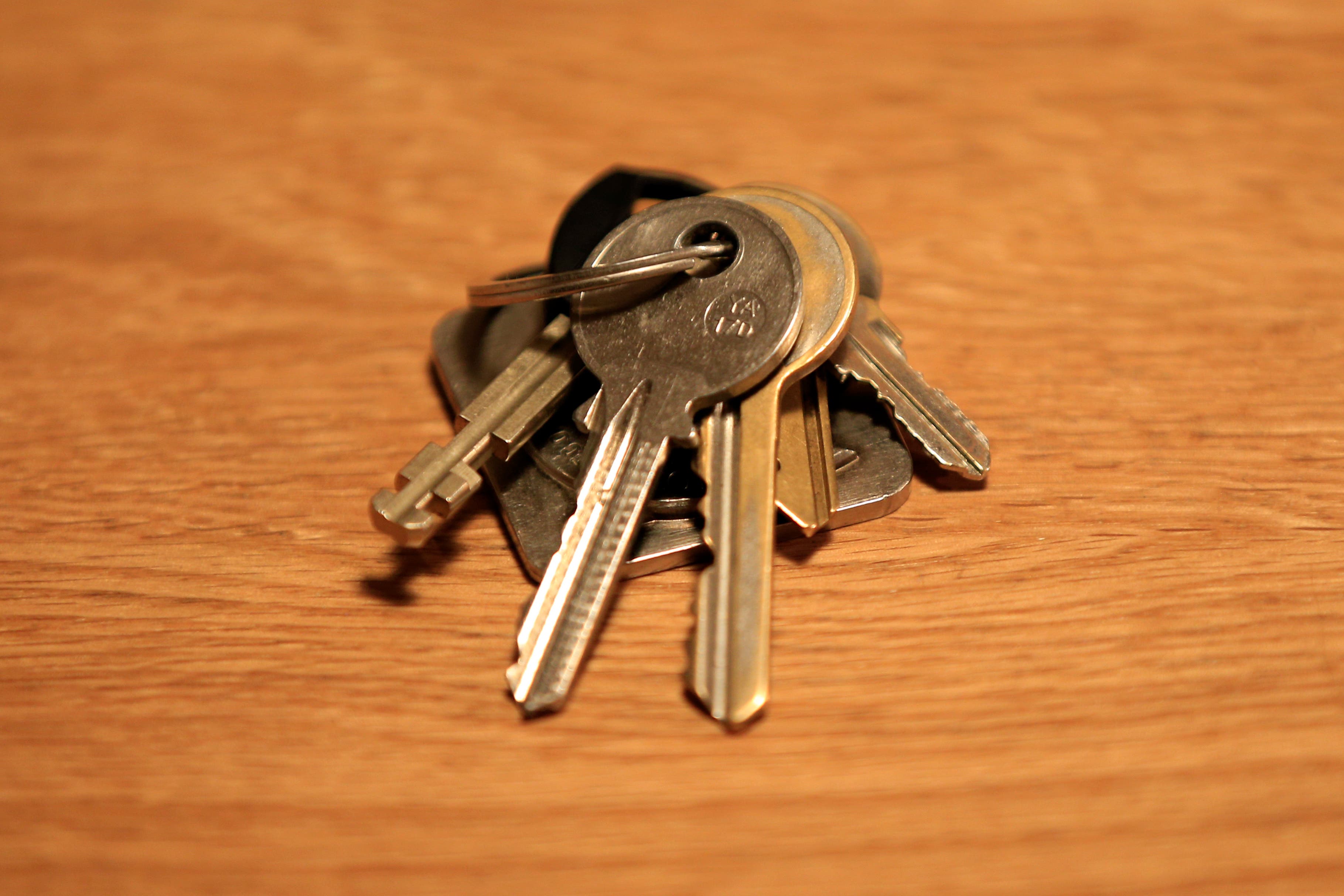
Collapsing property chains are adding around £2,000 to home buyers’ costs on average, according to a bank.
A survey for Barclays found about a third (32%) of people who bought or sold a home in the last three years were part of a property chain, with nearly half (46%) of this group experiencing delays or transaction breakdowns because of chain-related issues.
Those who experienced problems or a breakdown of their housing chain said they spent an additional £2,127 on average, with extra outgoings including “wasted” surveys or extra time needed from solicitors.
Among people whose property purchase or sale had fallen through in the past three years, some said they had been “gazumped” – where the seller accepts a higher offer from a new buyer at the last minute.
Others had been “gazundered” – where the buyer lowers their offer at the last minute, causing the sale to break down.
Some admitted to trying one of these tactics themselves, resulting in the transaction collapsing.
Barclays’ mortgage data indicates the average UK deposit last month was £59,057, and slightly higher among first-time buyers at £62,272.
Jatin Patel, head of mortgages, savings and insurance at Barclays, said: “Movers often face battles on two fronts as the abundance of long property chains adds acute stress into the process.”
Julien Lafargue, chief market strategist at Barclays, said: “In addition to frictions in the process, the UK housing market has also to contend with a mixed macroeconomic picture. Growth slowed in the second half of 2025 and the UK labour market is still softening.
“That said, the consumer remains broadly resilient, suggesting that growth could rebound in 2026.”
Barclays used its own mortgage data and a survey of 2,000 people across the UK in January and February carried out by Opinium Research.

Get a free fractional share worth up to £100.
Capital at risk.
Terms and conditions apply.
ADVERTISEMENT
Get a free fractional share worth up to £100.
Capital at risk.
Terms and conditions apply.
ADVERTISEMENT
David Fell, lead analyst at Hamptons, said: “Lengthening transaction times are creating particular frustration for buyers.
“They are often receiving information about the property much later in the process than they would have a few years ago, by which point more time and money have already been invested.
“As the process drags on, it is more often the buyers – rather than sellers – who choose to pull out.
“This is usually due to issues raised in surveys and searches, or simply exhaustion with delays.
“By the time a sale collapses, the sunk costs can be substantial.
“Consequently, many sellers are choosing to withdraw from the market entirely rather than relist.”
Bookmark popover
Removed from bookmarks