Twenty years of the Chip and Pin: How the way we pay has evolved
There has been a 95 per cent reduction in losses to counterfeit card fraud over the past 20 years thanks to the chip & pin
This weekend marks two decades since Chip and PIN fundamentally transformed in-store card payments, revolutionising daily transactions long before mobile phones became digital wallets.
The system significantly enhanced security, replacing traditional signature authorisations with a four-digit personal identification number (PIN) entered via a keypad for purchases.
According to UK Finance, the banking and finance industry body, a primary objective was to reduce "card-present" fraud, including magnetic stripe cloning and counterfeit card scams.
The initiative proved highly effective, leading to a 95 per cent reduction in losses from counterfeit card fraud over the past 20 years.
The UK's full adoption of Chip and PIN officially began on 15 February 2006, following the implementation deadline on Valentine's Day.
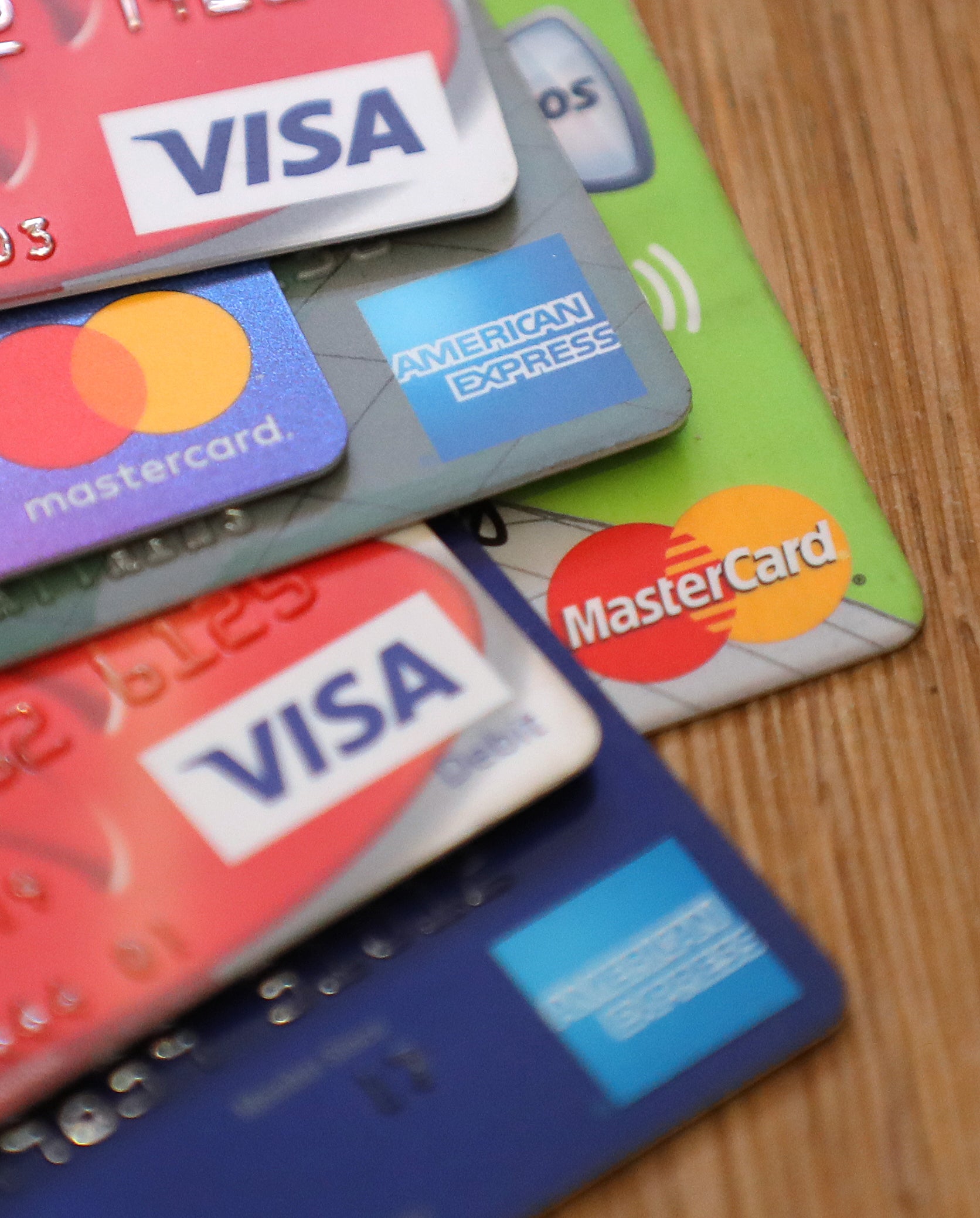
At that time, 99 per cent of cardholders were thought to have at least one chip and pin-enabled card in their wallet.
Some security concerns were voiced around the time that the scheme was initially introduced, including that criminals may watch someone inputting their pin and then steal their card, and that some people could become a fraud target by carrying their pin details around with their card.
However, there were also significant concerns about the opportunities for fraudsters from using the old-style payment.
Ways to pay have transformed in the past 20 years, along with criminals’ tactics.
UK Finance said there are more than 25 million additional cards now in circulation compared with two decades ago.

Get a free fractional share worth up to £100.
Capital at risk.
Terms and conditions apply.
ADVERTISEMENT
Get a free fractional share worth up to £100.
Capital at risk.
Terms and conditions apply.
ADVERTISEMENT
Contactless payments were also introduced in 2007, initially with a limit of £10.
The current contactless card payment limit is £100 and in March the Financial Conduct Authority (FCA) will make changes to enable banks and payment providers with strong fraud controls to set their own limits in future, if they choose to.
Currently, contactless accounts for two-thirds (66 per cent) of all credit card and three-quarters (76 per cent) of UK debit card transactions, according to UK Finance.
Mobile payments have also grown rapidly, UK Finance said, with about half of people using mobile contactless payments at least once a month.
Despite the evolving way that people pay, UK Finance said that chip and pin remains important for higher value transactions, accounting for 30 per cent of credit and debit card payments by value.

As a result, the average chip and pin transaction is £93 compared with an average of £17 for a contactless payment.
As criminals’ tactics have changed, there has been a rise in remote purchase fraud, with £215 million stolen in the first half of 2025, UK Finance said.
Fraudsters will use social engineering techniques to trick people into handing over their one-time passcodes, enabling criminals to make fraudulent online card transactions or fraudulently register digital wallets.
UK Finance is urging people to follow the advice of the Take Five to Stop Fraud campaign, which encourages people to pause to consider whether something could be a scam, before acting on a request.
Jana Mackintosh, managing director of payments at UK Finance said: “The evolution of payments is remarkable and will continue to be so as the needs of consumers and businesses change.
“In 2006 the iPhone hadn’t yet been launched, and you couldn’t tap your card to pay for something, whereas today these are the most popular payment methods for UK consumers and many people are happy to only carry their phone rather than a bank card.
“The industry will continue to support and drive innovation and change, like the introduction of chip and pin, which gives consumers the confidence to safely buy things in shops and drive growth across the economy.”
Nick Quin, chief corporate affairs officer at ATM and cash access network Link, said: “The anniversary highlights how things change quickly in payments and banking.
“In the past 20 years we’ve seen people increasingly shift from cash to card and now increasingly digital wallets.
“Our research shows that half of people are happy to leave the house without a physical wallet but cash still plays role in everyday spending for millions.
“As we embrace the next generation of payments technology, we need to make sure it serves everyone, from cash users to digital natives.”
Simon Forbes, division president, UK and Ireland at Mastercard, said: “Chip and pin – and more recently contactless – have played a pivotal role in the evolution of payments.
“Today, online innovation is driving the next leap forward, moving us away from manually entering long card numbers when shopping online and towards one‑click payments, such as click to pay, that are safer, faster and more convenient.”
Join our commenting forum
Join thought-provoking conversations, follow other Independent readers and see their replies
Comments
Bookmark popover
Removed from bookmarks