How to save and plan for travelling in retirement
With the right guidance and early preparation, your ideal retirement lifestyle can be well within reach.
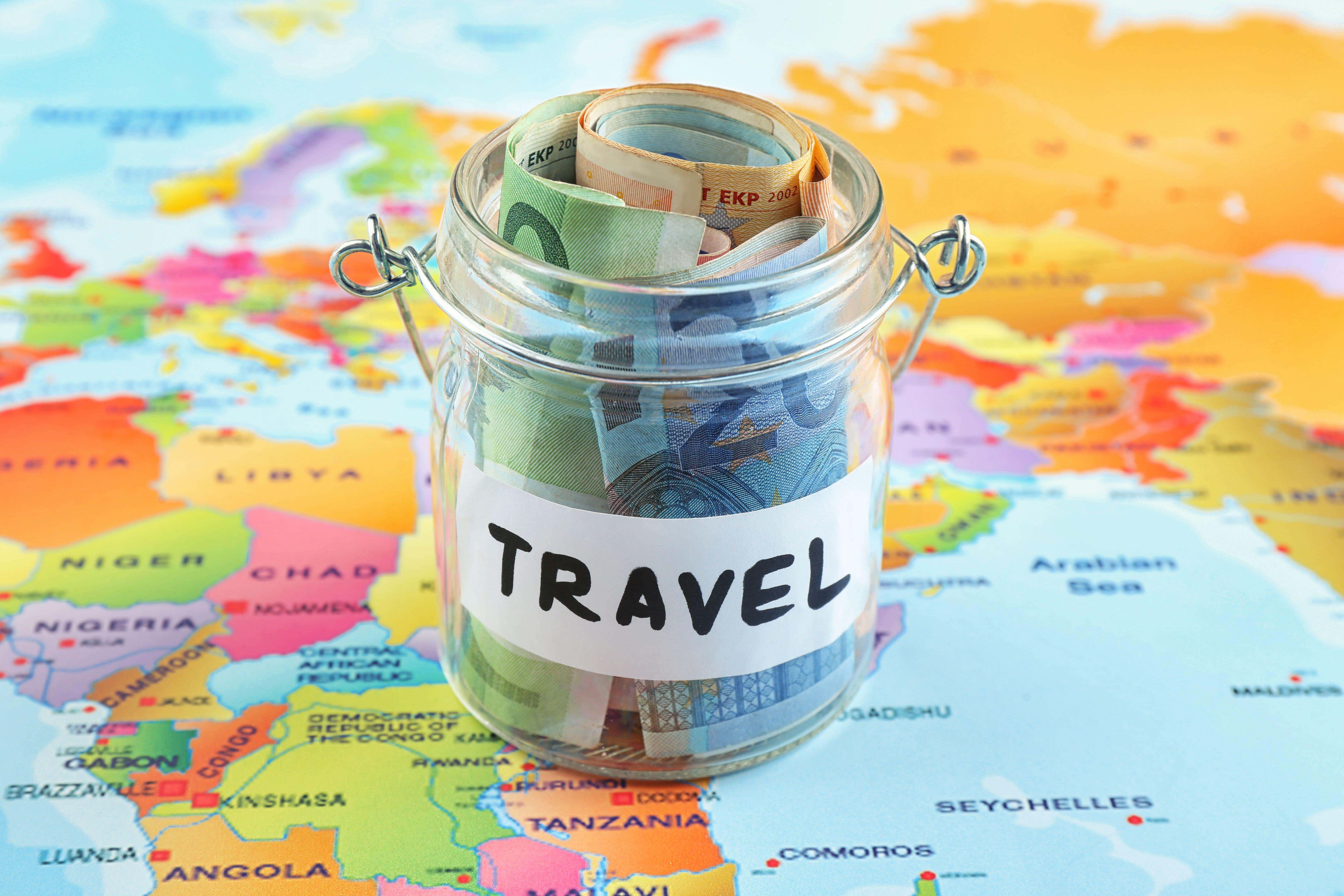
Many of us look forward to spending our retirement exploring the world and finally checking off all the top experiences on our bucket lists. However, turning those grand aspirations into reality takes careful preparation and a clear financial strategy.
We spoke with Kenny McKay, wealth planner at Succession Wealth, who shared his expert advice on how to plan effectively to make sure you can live out your travel dreams.
Make a financial plan
“If you hope and dream to travel, it will only remain as hopes and dreams, unless you put them into your financial plan,” says McKay. “Your financial plan should include everything from going on a cruise to how much you are paying for electricity and council tax. It should be this all-encompassing document, and if something isn’t included in it, it’s likely that it’s not going to happen.”
While there’s no right or wrong age to start planning, McKay says the earlier you start thinking about this, the better.
“If you can start thinking about it sooner rather than later, the benefits will speak for themselves,” says McKay.
Evaluate your lifestyle and assets
“If travel is a goal for your retirement, I would say that cash flow planning is absolutely vital as you approach retirement,” says McKay. “Do an audit and think about what is actually important to you. Retirement is a major change to your lifestyle, so ask yourself, do I still enjoy paying X, Y and Z on this? For example, do I still require two cars as my life is changing?’
“One of the big trends that we see a lot is downsizing. So, it might be worth asking yourself, is the family home a legacy for you? Or is it something that doesn’t meet your needs anymore and could free up some capital that could be invested and used for frequent travel?”
Follow the three buckets approach
“Your day-to-day expenditure would be bucket number one, what goes into that bucket is all your regular income (pensionable income, investment income etc) and what comes out of that will be your expenditure such as council tax, groceries, and all these simple things that you can’t avoid,” explains McKay.
“The second bucket will be your emergency fund, sometimes also called ‘boiler money’, which is typically four to five times your monthly expenditure, and the third bucket is where your finances should start working harder for you.

Get a free fractional share worth up to £100.
Capital at risk.
Terms and conditions apply.
ADVERTISEMENT
Get a free fractional share worth up to £100.
Capital at risk.
Terms and conditions apply.
ADVERTISEMENT
“For example, if you want to go to Spain at least once a year you need to make sure that you have an ISA or an investment bond that’s growing every single year that you can withdraw money from for these trips.”
Maximise your pension contributions
“Maximising your pension contributions is gold-standard advice when it comes to financial planning,” says McKay. “The reason is because if you put some money into a employer-sponsored scheme, your employer will put some money up, and it’s grossed up as well. So, you get a real return on your money.”
Maximise your ISA allowances
“Try and maximise your ISA allowances every year,” advises McKay. “Now it’s up to £20,000 pounds, which may not be achievable for all people, but if you can put that little bit extra every single month into an ISA, it will grow in a much more tax-efficient area than simply just sitting in a savings account, particularly as interest rates are falling down.
“If you’re regularly contributing to an ISA that’s got a very lean and primed investment solution within it and are allowing that to build up over a period of time, you’ll be surprised about how much you could end up with when you get to retirement.
“When you withdraw from your ISA, you’re taking tax-free income or tax-free lump sums, so there’s no additional tax liability for those one-off big trips that you really hope to have.”
Factor in insurance and inflation
“As you get older, insurance does become a bit more of a factor and also the inflationary costs of travel is something that a lot of people don’t factor in,” says McKay.
“A few of my clients who go to the same place on holiday every year have been caught out with that over the last couple of years, because flights are more expensive, fuel duty is more expensive and they might be getting less for their money in terms of currency. So, I would say that’s something that you have to account for.”
Do your research
“One of the best things you have in retirement is time to sit and research,” says McKay. “Travelling during the school holidays can be really expensive, so if you have the option not to travel in these periods, you’re going to have significant savings.
“It might also be worthwhile to look at currency rates to see where you would get a stronger pound against the local currency to make your money go further.”
Bookmark popover
Removed from bookmarks