The Independent's journalism is supported by our readers. When you purchase through links on our site, we may earn commission.
The BBC has crisis in its bones – but this row is part of a concerted right-wing assault on the institutions of civil society
From Winston Churchill to Margaret Thatcher, the BBC’s entire history has been a story of one crisis after another. But after this week’s double resignation, it’s hard to avoid the conclusion that ‘good faith’ arguments about editorial mistakes are hiding a bigger and more dangerous picture, writes David Hendy, author of ‘The BBC: A People’s History’


Does the BBC have crisis in its bones? Its story is certainly strewn with the rubble of political bombardment – from above and from the sides.
It was during the May 1926 General Strike that the BBC got its first real taste of malevolent interference from powerful outside forces. With the newspapers shut down, the BBC, barely equipped at all for the role of newsgatherer, was suddenly thrust into the spotlight as the only purveyor of strike news. It lashed together a makeshift newsroom and worked around the clock to put out long, detailed bulletins that tried to report both sides of the conflict with reasonable fairness.
This vague – and far from perfect – attempt at even-handedness was precisely what irritated a government that was vehemently opposed to the strike. The chancellor of the Exchequer, Winston Churchill, was particularly incensed. He’d just launched the British Gazette, a crudely partisan newspaper full of hysterical reports about misbehaving strikers. Why, he wondered, should the BBC not be turned into a radio version of the same publication?
Word reached the BBC’s general manager, John Reith. He knew full well that under the terms of the licence, Stanley Baldwin’s government had the ultimate power in a national emergency to commandeer the BBC outright and require it to broadcast certain messages. With the threat from Churchill left hanging over him, Reith had a choice to make. He could resist all pressure and carry on as before. But this carried the very real risk of a complete government takeover, and with it the end of the BBC’s as yet fragile independence.
Or he could fudge.

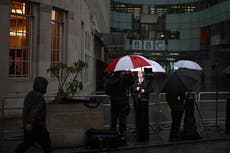

He chose the latter. Trade union speakers disappeared from the airwaves. After Downing Street let it be known that it was “quite against” the Labour leader, Ramsay MacDonald, getting a slot to speak, he, too, was silenced. As was the Archbishop of Canterbury. Even so, on each occasion, Reith had argued for these people’s right to broadcast. He’d blocked them only because he saw it as the price to be paid for preventing a government takeover. “I was so frightened of what Churchill would make of it,” he later explained. “I did what I didn’t approve of myself doing.”
Reith had saved the BBC. He’d also revealed its vulnerability. The mere threat of takeover had, he said, been “a powerful inducement to compliance”. A government spokesperson described it, revealingly, as “unofficial control”.
Thirty years later, there was Suez. The prime minister, Anthony Eden, was allowed to go on TV to justify British airstrikes on Egypt. His government then threatened to seize control of the BBC if it dared to offer a right of reply to the leader of the opposition, Hugh Gaitskell. This time, the BBC – older, bigger, more confident – called the government’s bluff, and got its way. Gaitskell had his broadcast. Even-handedness triumphed over a crude attempt to impose partiality.
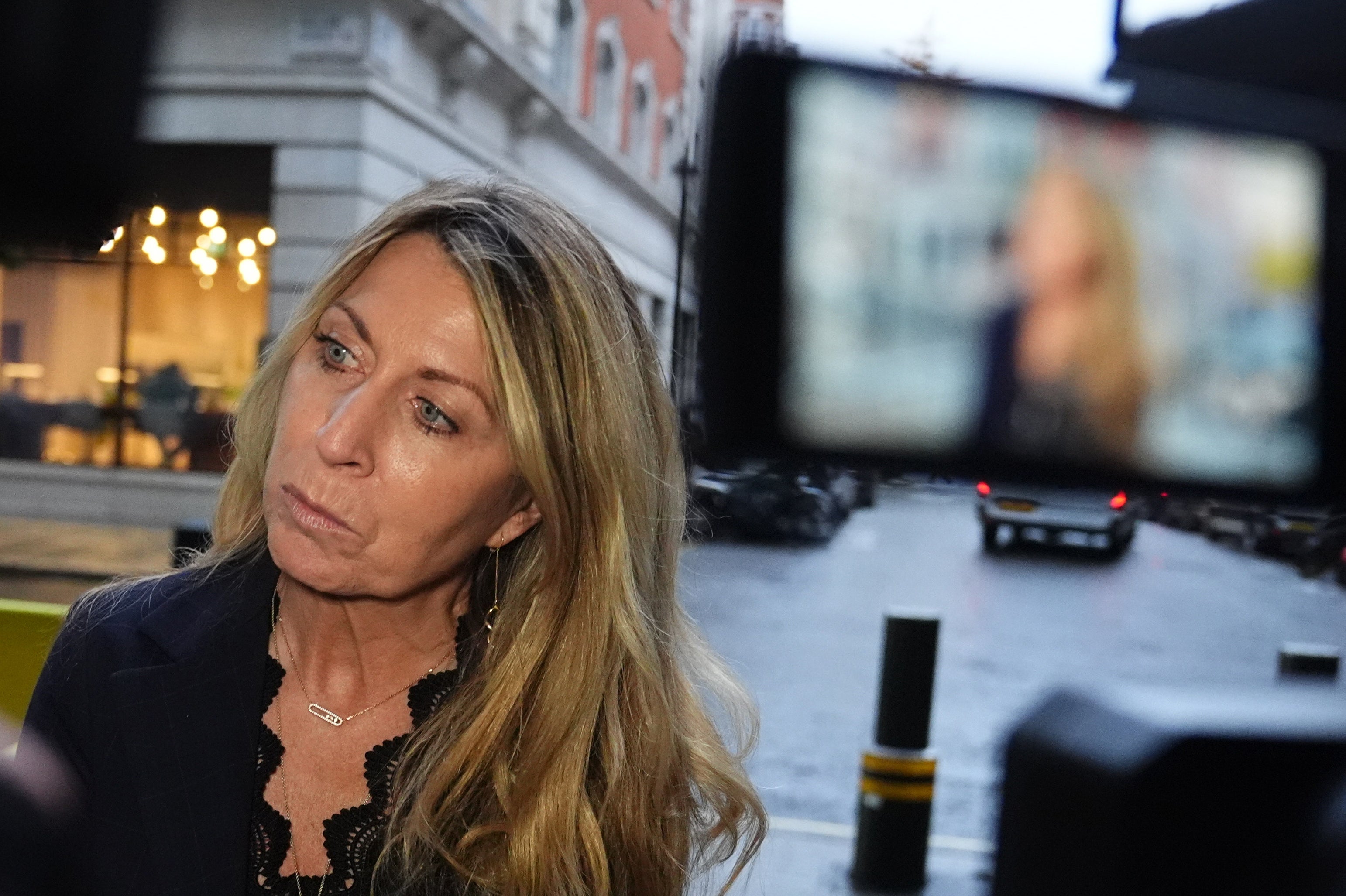
The row over Iraq and the “dodgy dossier”, which erupted in 2003 and culminated in the 2004 Hutton report, was an altogether murkier affair. It began with a reporter on the Today programme on Radio 4 going on air to suggest, in effect, that the prime minister, Tony Blair, had deliberately misled the nation in order to justify sending British troops into battle. Cue Blair’s chief press officer, Alastair Campbell, attacking Today for basing its story on “one single anonymous uncorroborated source”. He demanded – and kept demanding – an apology. Lord Hutton’s inquiries into the sequence of events – which, by July, included the death of the man who turned out to be Today’s anonymous source, David Kelly – led to some extremely uncomfortable reading for the BBC.
His final report referred to “false accusations of fact impugning the integrity of others, including politicians”, and called the BBC’s editorial system “defective”. When the director general, Greg Dyke, met his senior lieutenants to discuss Hutton’s findings, he didn’t mince his words. “Well, boys,” he told them, “we’ve been f***ed.”
The 2016 Chilcot Inquiry would later offer some crumbs of comfort, with its suggestion that the claims broadcast on Today had been accurate in many respects. But it was too late. By then, both Dyke and the BBC chair, Gavyn Davies, had long since packed their bags – their departure a striking precursor of this week’s double resignation.
So, yes, the BBC’s entire history has been a story of one crisis after another.
But the past never repeats itself precisely. There are continuities to be teased out – as well as the kind of circumstances that make each conflagration unique.
In 1926, in 1956, even in 2003, the reasons for the BBC being engulfed in a political crisis were largely acute and short-lived. They blew up as a result of singular events. An industrial dispute at home, some military misadventures abroad. They concerned very serious matters of state – and the stakes were high. In 1926, the threat from Churchill was real. But buried beneath all the bluster and the politicking, there were usually “good faith” arguments being fought over genuine editorial concerns.
If criticism was being directed at the BBC, it was often in the belief that the national broadcaster could – and should – be doing better. And in most cases, the BBC had the time and space for some form of self-correcting mechanism to take hold – to examine for itself, as it did in the wake of Hutton, whether it had the balance right between journalistic enterprise and accuracy.
But we’re now in a far more volatile media and political landscape. In the last 15 years, especially, attacks have slowly become more persistent, more organised, more vitriolic, more destructive. And as the past week has shown, they can come from the newspapers, social media, and even the White House, all at once.
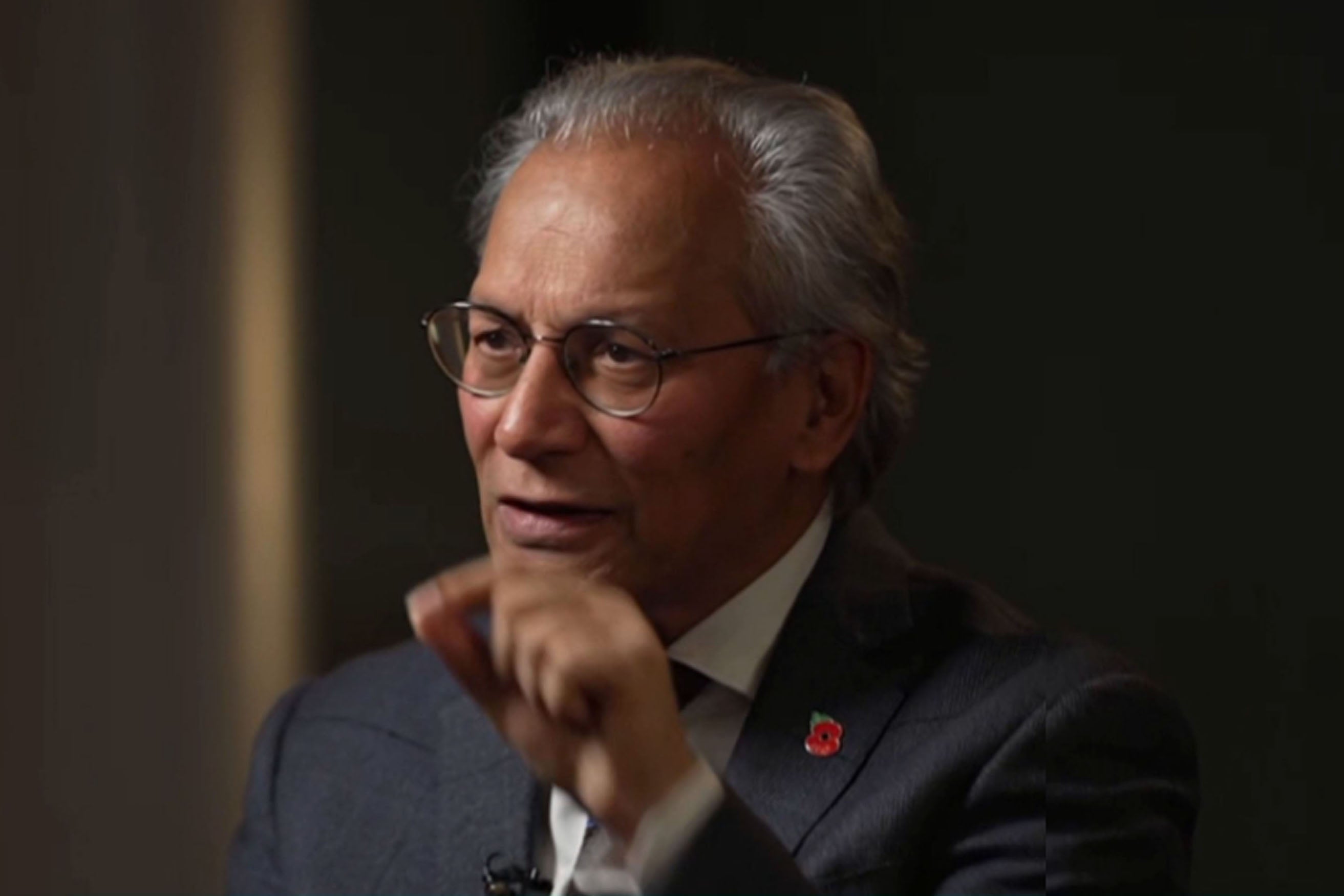
It’s hard to avoid the conclusion that “good faith” arguments about editorial mistakes have become a convenient disguise for “bad faith” arguments about the right of the BBC to exist at all. The aim of those who criticise is not to reform or strengthen our national broadcaster – it is to destroy it. And the language is more hysterical. On X (Twitter), Elon Musk talks of a Britain descending into civil war. Others talk of a national broadcaster in its death throes. They’re not warning us in order that we might prevent these things from happening; they’re using their platform to help their obscene – and false – predictions come true. It’s the manufacture of dissent.
Some of those who give every impression of disliking public service broadcasting the most have also become part of the organisation, and look like they’re undermining it from within. This is not entirely new. Remember Margaret Thatcher’s appointment of Marmaduke Hussey as BBC chair back in 1986 – a man recommended by Rupert Murdoch, no less, and who, according to Conservative Central Office, had been appointed to “get in there and sort it out”. A year later, the director general, Alasdair Milne, was sacked. Nowadays, there is Robbie Gibb, appointed by Boris Johnson as a non-executive director of the BBC board and someone intimately involved in setting up the right-wing TV channel GB News – someone, too, who’s got involved in controversial decisions about editorial policy and appointments to senior posts.
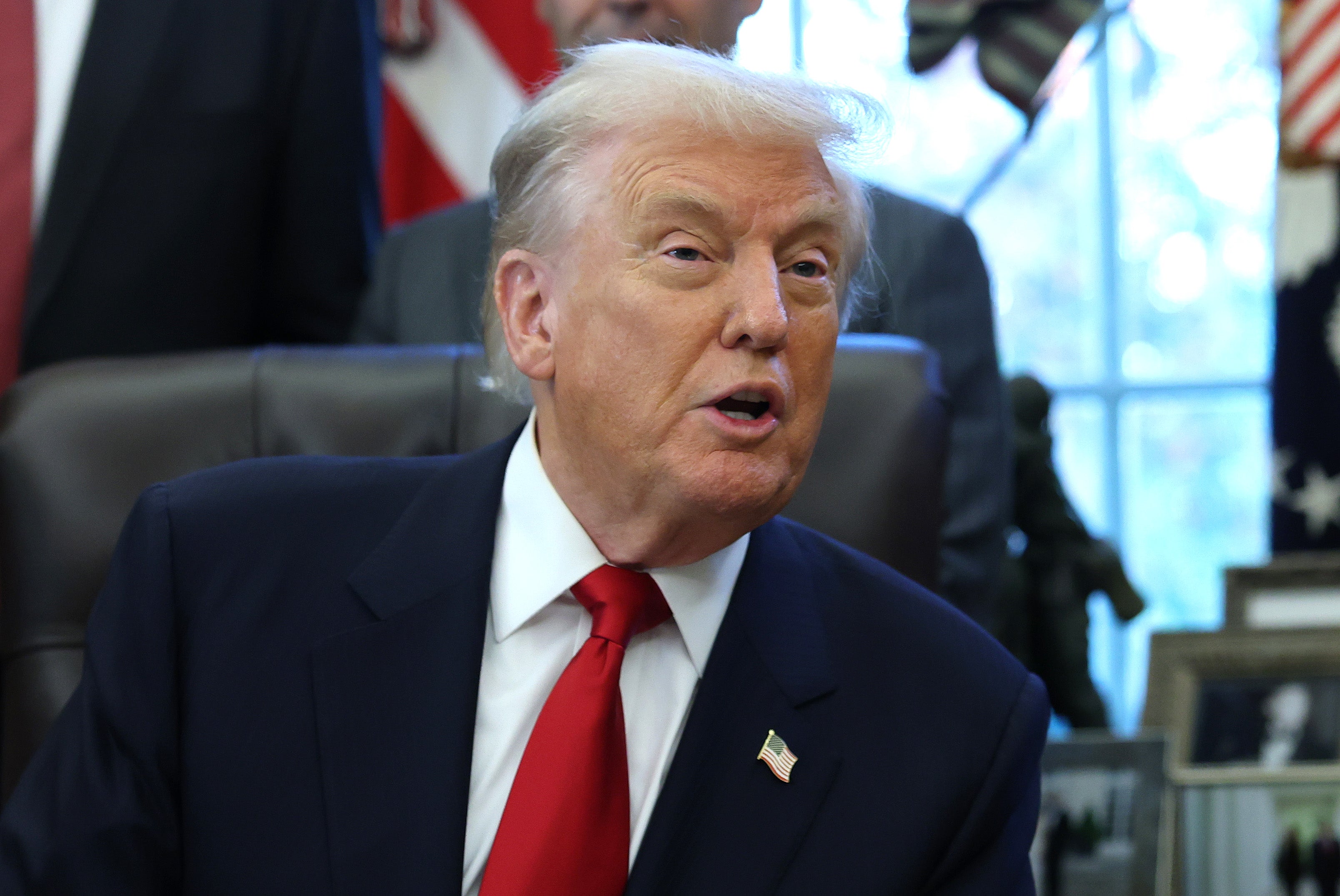
The board matters: members have the power to influence things. But what makes the current moment so dangerous is that this is a broad-fronted attack. It brings together attacks on the licence fee – a kind of economic warfare in which the public is tacitly encouraged to evade payment – and arguments about editorial bias. But as the intervention of President Trump reveals, it also needs to be understood as one element of the concerted right-wing assault on the institutions of civil society – the legal system, the civil service, the universities… and the BBC. It’s authoritarianism in action. More than ever, we need to join the dots of a bigger, darker picture.
‘The BBC: A People’s History’ by David Hendy is published by Profile (£25)
Join our commenting forum
Join thought-provoking conversations, follow other Independent readers and see their replies
Comments
Bookmark popover
Removed from bookmarks