Béla Tarr death: Hungarian filmmaker who directed Sátántangó dies, aged 70
Acclaimed director suffered ‘a long and serious illness’
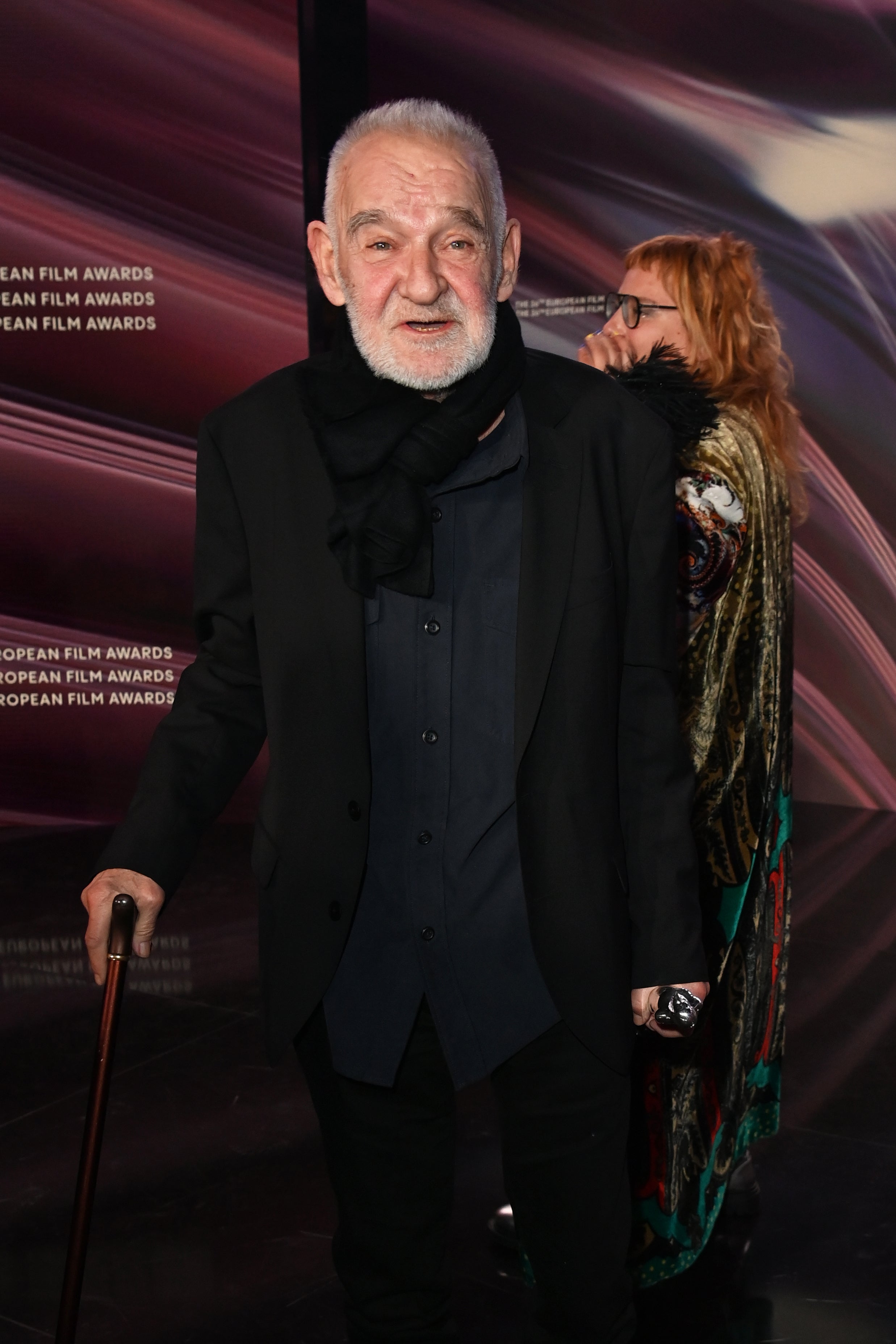
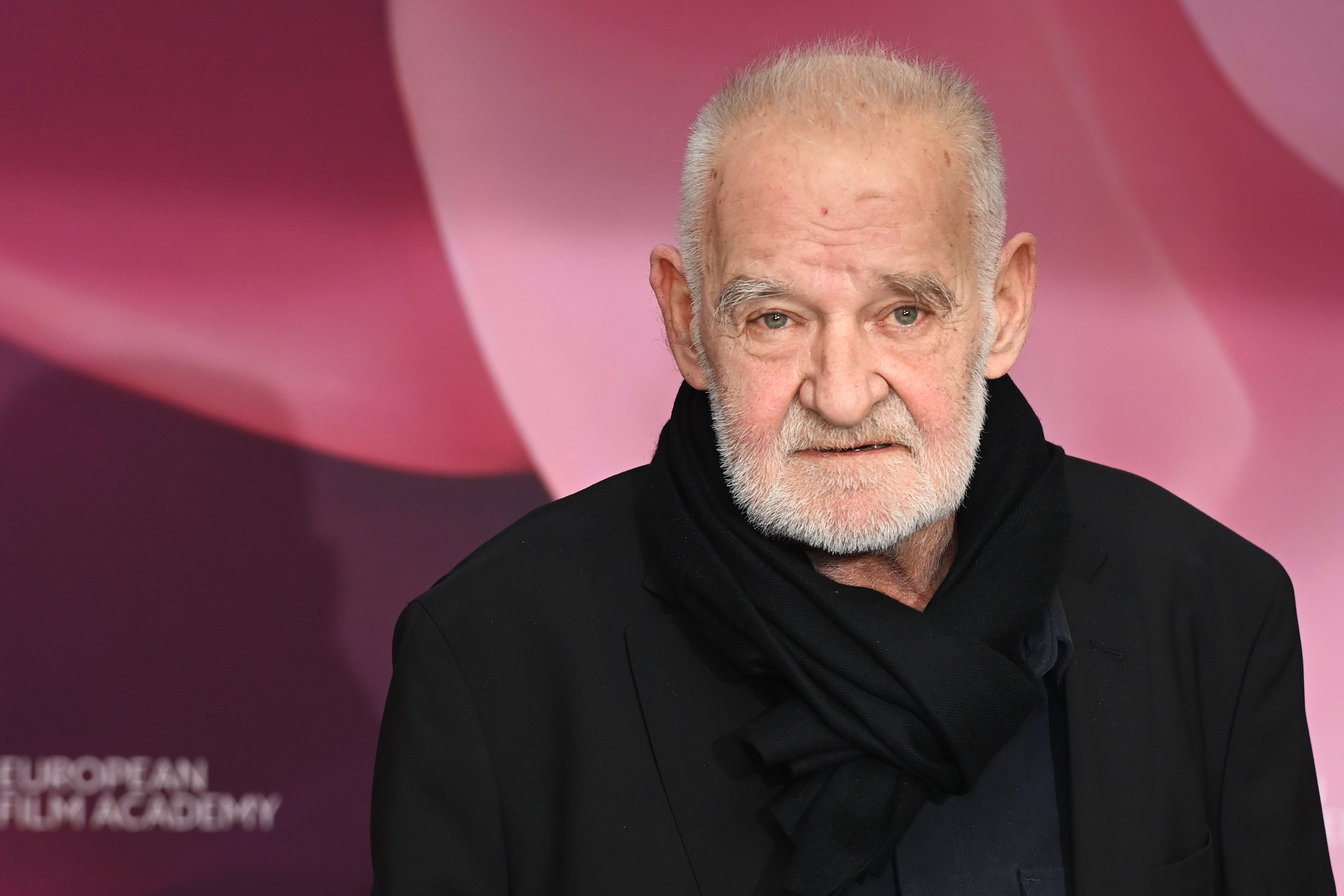
Hungarian filmmaker Béla Tarr, known for films including Sátántangó, Damnation and Werckmeister Harmonies, has died aged 70.
The European Film Academy announced the news, revealing that Tarr died on Tuesday (January 6) “after a long and serious illness.”
“The European Film Academy mourns an outstanding director and a personality with a strong political voice, who is not only deeply respected by his colleagues but also celebrated by audiences worldwide,” the statement said.
“The grieving family asks for the understanding of the press and the public and that they not be sought for a statement during these difficult days.”
Tarr, known for his dark and distinctive black-and-white works depicting rural Hungarian life, was born in 1955 before beginning his career working at Balázs Béla Stúdió, one of Hungary’s largest studios for experimental film.

He released his feature directorial debut, Family Nest, a dark social drama about a young family living in communist housing, in 1977.
He graduated from the Academy of Theatre and Film in Budapest in 1982 and established Társulás Filmstúdió, where he worked until the studio was closed in 1985.
The filmmaker first attracted international acclaim in 1988 with his feature Damnation, about an erotic obsession set in a Hungarian mining town, adapted from a screenplay by the Nobel-Prize-winning Hungarian novelist László Krasznahorkai.
For Damnation, Tarr won the Best Young Film Award at the European Film Awards.
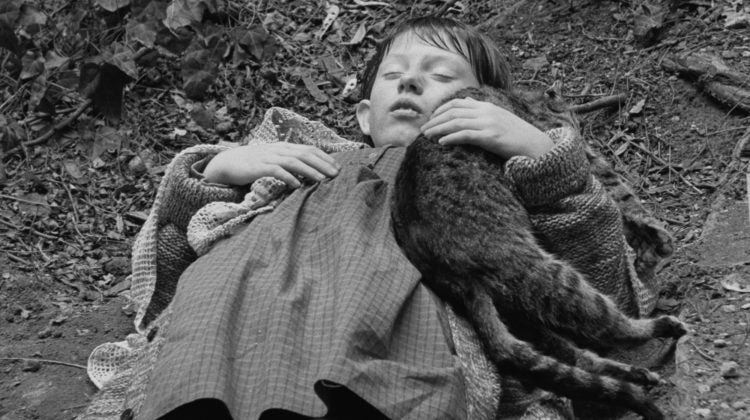
His most successful film was his adaptation of Krasznahorkai’s Sátántangó into a seven-hour-long feature, released in 1994, which achieved cult status and is regarded as one of the best arthouse films of all time.

Watch Apple TV+ free for 7 day
New subscribers only. £9.99/mo. after free trial. Plan auto-renews until cancelled.
ADVERTISEMENT. If you sign up to this service we will earn commission. This revenue helps to fund journalism across The Independent.
Watch Apple TV+ free for 7 day
New subscribers only. £9.99/mo. after free trial. Plan auto-renews until cancelled.
ADVERTISEMENT. If you sign up to this service we will earn commission. This revenue helps to fund journalism across The Independent.
Sátántangó tells the haunting story of a group of people living in a decaying Hungarian village before the fall of Soviet rule. The community is led by Irimiás, a charismatic man long presumed dead, who suddenly returns under mysterious circumstances.
His 2000 film Werckmeister Harmonies depicts an entire community controlled by mass hypnosis, triggered by the arrival of a strange circus.
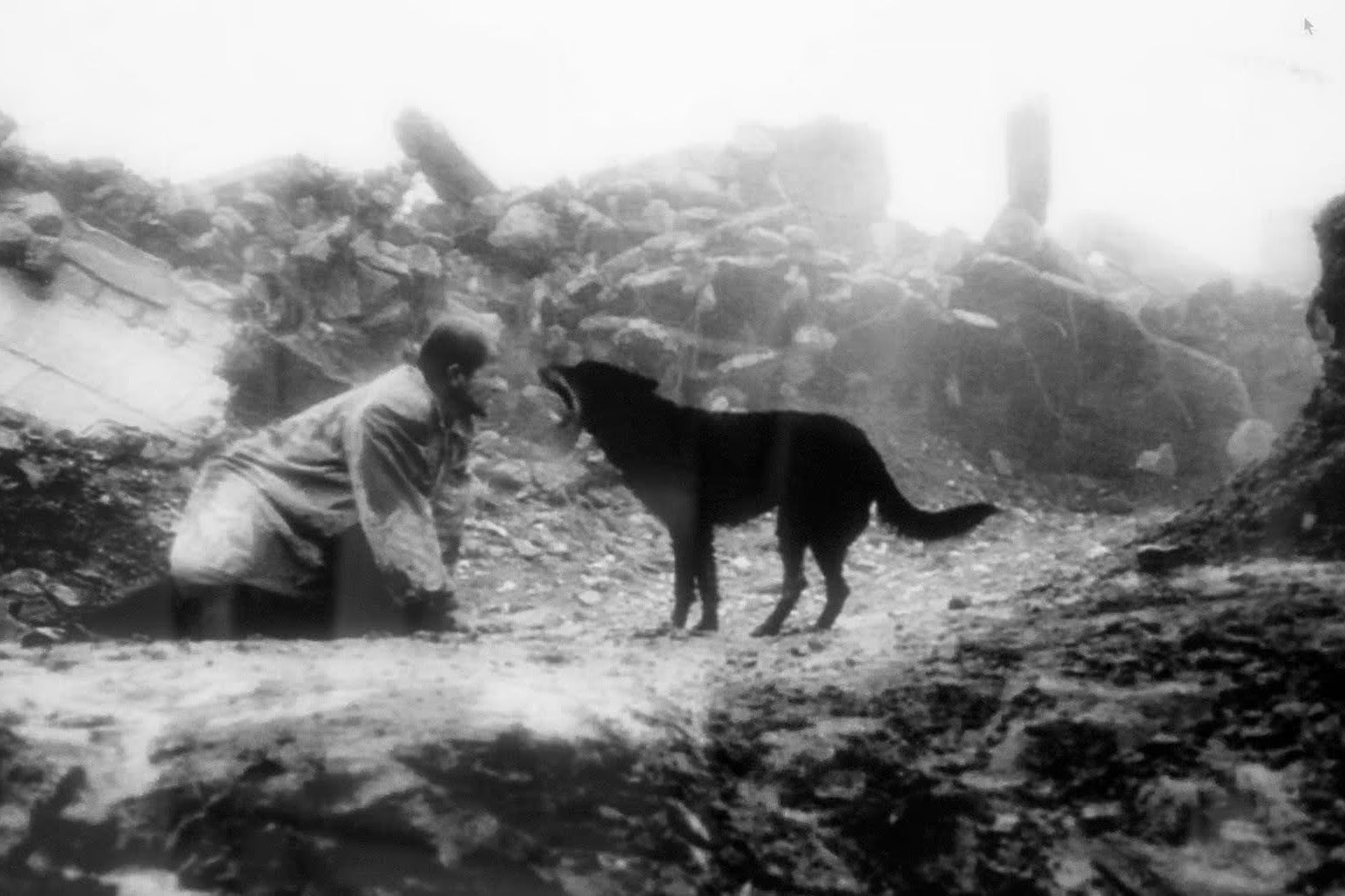
Tarr went on to direct nine features, the final one being Turin Horse, released in 2011, co-written, once again, by Krasznahorkai. The story depicts the unrelenting grind of domestic life for a horse-cart driver and his daughter.
In 2019, a 4K restoration of the film screened at the 69th Berlin International Film Festival, following Tarr’s approval.
Alongside his partnership with Krasznahorkai, Tarr’s films were edited and co-directed by his wife Ágnes Hranitzky and featured the music of Mihály Vig.
Tarr retired from filmmaking in 2011 to run his own film school, called film.factory, in Sarajevo.
Speaking to The Guardian in 2024, Tarr said that he wanted to work with young people to “push them to be themselves, to be free, to be more revolutionary than I was. My slogan is very, very simple: no education — just liberation!”
Discussing his retirement, he said it came from a feeling. “We had made everything we wanted. The work is done and you can take it or leave it. It is not my business anymore. I wanted to be a producer, working with the new Hungarian cinema. We had a production office and you wouldn’t believe my desk. A minimum of 10 different projects on it!”
Tarr also claimed he left Hungary and filmmaking due to changing politics. “But then we got this government. They said very clearly we have to apply for the new conditions and we have to fulfil expectations, and by the end I said: ‘F***! Better if I hand over all ideas and projects and scripts and I leave the country because I have a feeling it’s hopeless.”
Join our commenting forum
Join thought-provoking conversations, follow other Independent readers and see their replies
Comments
Bookmark popover
Removed from bookmarks