Magnum Ice Cream worth billions in stock market debut
Magnum now stands as the world's largest standalone ice cream business
Magnum Ice Cream Company made its highly anticipated stock market debut in Amsterdam on Monday, with shares trading at €12.96 each.
This initial valuation implies a market capitalisation of €7.93 billion ($9.24 billion), marking the finalisation of its long-awaited spinoff from consumer goods giant Unilever.
Unilever has divested the ice cream unit, citing the complex operational demands of its cold supply chain, which differ significantly from its other food brands and personal care products like Dove soap and Axe deodorant.
Magnum, now operating independently, aims to leverage a singular focus on ice cream to enhance productivity.
The company had previously cautioned that its stock might experience early downward pressure, as its shares are not immediately eligible for inclusion in major indices such as the FTSE.
The initial market valuation came in just below Magnum's 2024 revenue of €7.9 billion and, according to research firm Morningstar, approximately eight times its projected 2025 adjusted earnings before interest, taxes, depreciation, and amortisation.
Magnum, which now stands as the world's largest standalone ice cream business and includes popular brands like Wall's and Cornetto, also commenced listings in London and New York on Monday.
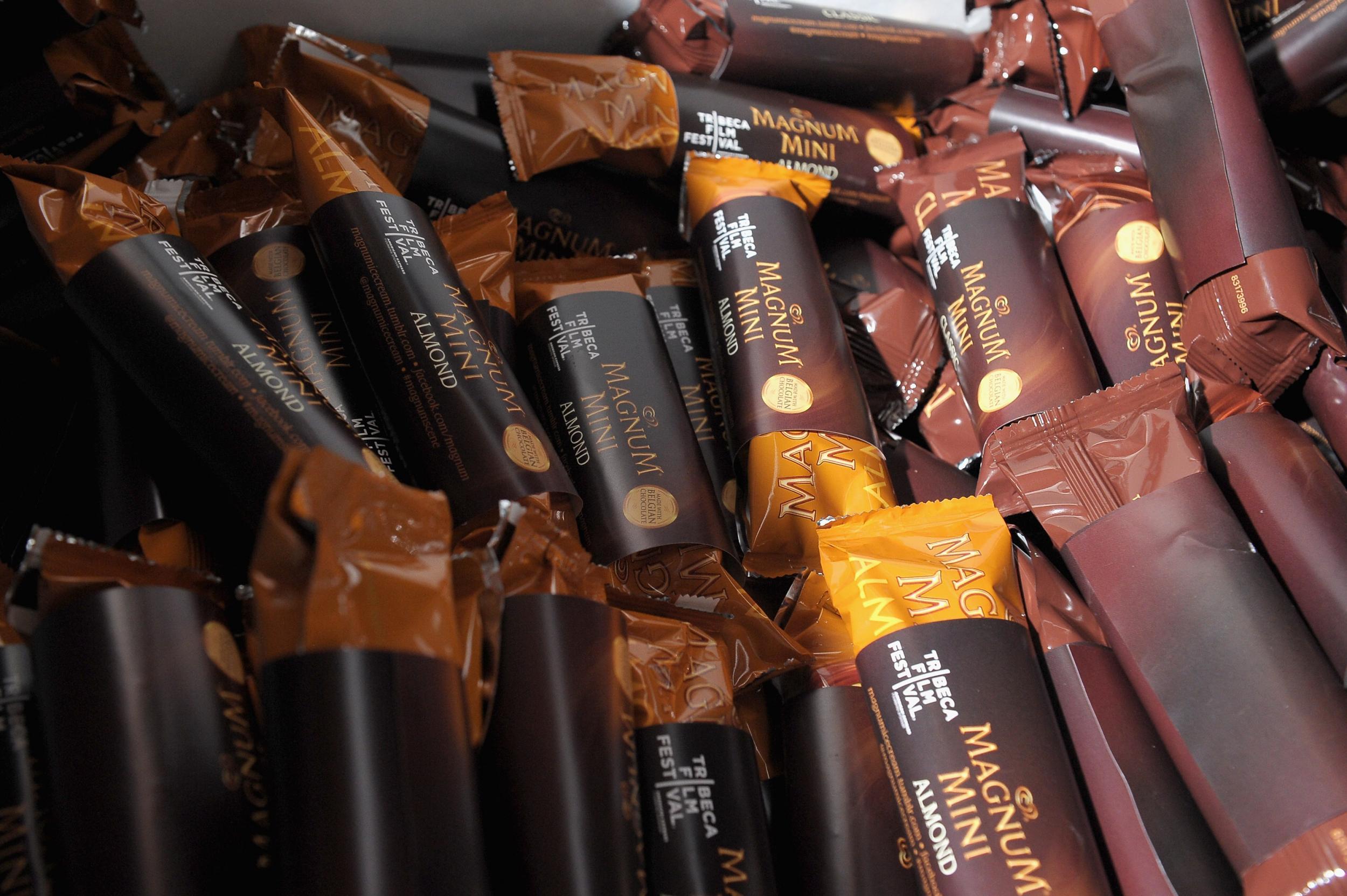
Ahead of its prospectus publication, analysts at Barclays had forecast a higher equity value for the company, predicting between €10.1 billion and €10.8 billion, with a share price exceeding €20. The reference price for the debut was set at €12.8 per share.
Magnum rival Froneri, a joint venture between PAI Partners and Nestle NESN.S, secured investment in October that valued the company at €15 billion. Froneri's market share is around 11 per cent, according to Magnum's prospectus, compared with 21 per cent for Magnum.
"I think that with setting the reference price low, they made the stock attractive for new investors," Fernand de Boer of investment bank Degroof Petercam told Reuters, adding that the price also avoided the risk of a big drop caused by index investor selling.
Limited demand may have also been a factor, Degroof Petercam said in a note, while substantial separation costs from Unilever and the fact there will be no dividend in 2026 could be adding short-term pressure.
Unilever shares were the biggest decliner on the STOXX 600 on Monday, according to LSEG data, falling around 4 per cent, with lost Magnum earnings causing temporary volatility.
Unilever is retaining a 19.9 per cent stake in the business but plans to exit within five years. It will announce the share consolidation ratio later on Monday.

Magnum CEO Peter ter Kulve said on Monday the company hit a "proud milestone" and would be "more agile, more focused, and more ambitious than ever" as an independent listed company.
Magnum, which will command more than a fifth of the $87 billion global ice cream market, is betting on the allure of indulgent snacks.
The listing tests investor appetite for a sugar-heavy product at a time when GLP-1 weight-loss drugs have shaken up consumer trends and U.S. President Donald Trump is pushing a 'Make America Healthy Again' campaign.
With Ben & Jerry's, Magnum will inherit a relationship that has soured in the past few years. Magnum said on Tuesday that the Ben & Jerry's Foundation, a U.S.-based charitable group funded by the brand, must address deficiencies in financial controls and governance if it is to maintain full funding.
It is an issue that affects Magnum acutely. Ben & Jerry's annual revenue of €1.1 billion ($1.28 billion) accounts for almost 14 per cent of Magnum's global turnover, compared to just 1.8 per cent of Unilever.
Join our commenting forum
Join thought-provoking conversations, follow other Independent readers and see their replies
Comments
Bookmark popover
Removed from bookmarks