How Janet Yellen's US interest rate decision could affect the whole world
Some analysts are the FOMC announcement the most important thing to happen to global markets since Lehman brothers went bust in 2008
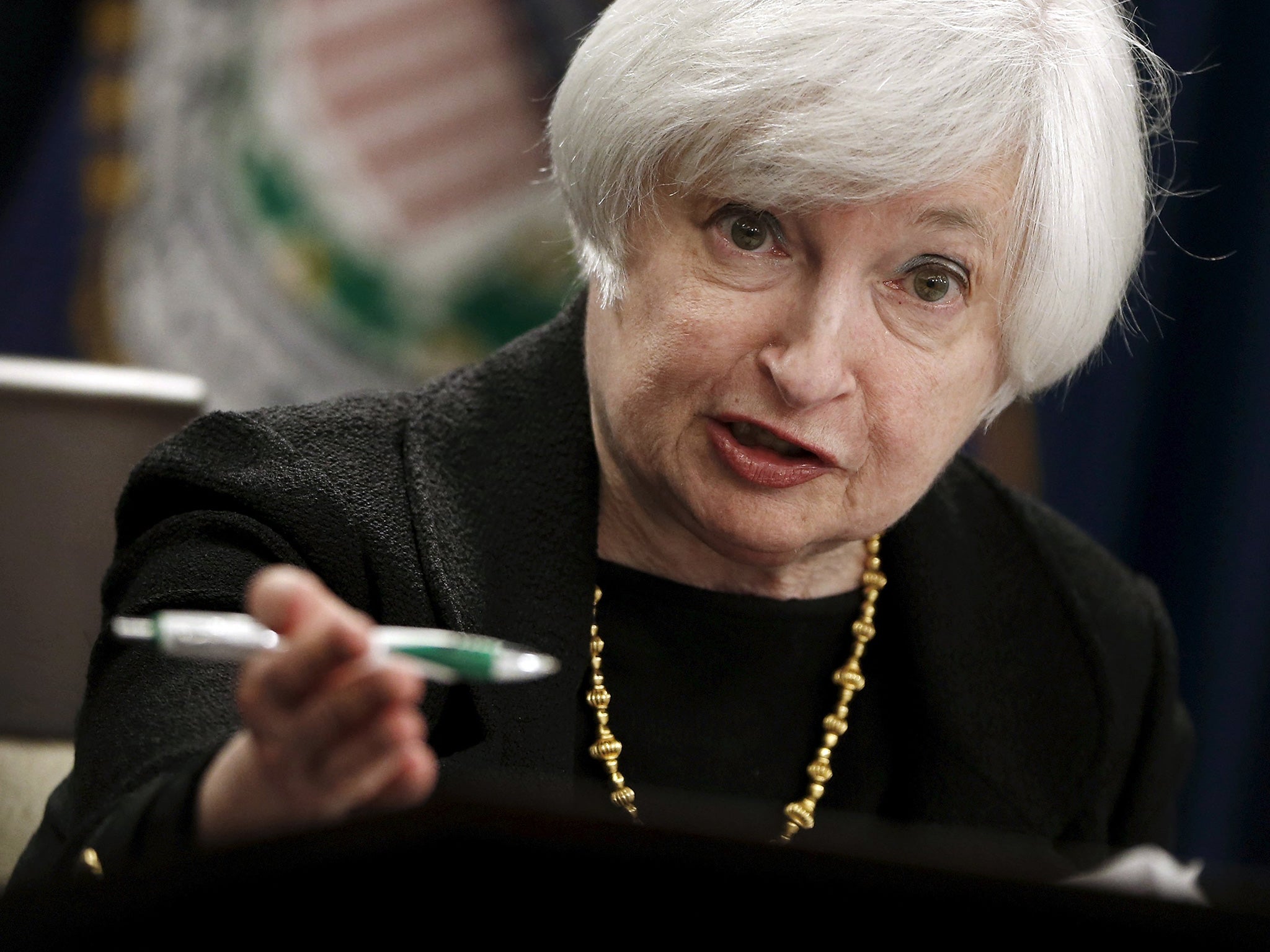
Janet Yellen has a big week ahead of her.
As chair of the Federal Reserve, America’s central bank, Yellen will lead the Federal Open Markets Committee in its decision whether or not to raise the US interest rate above 0.25 per cent – where is has languished since 2006.
Some analysts are calling it the most important thing to happen to global markets since Lehman brothers went bust in 2008, taking the global economy down with it.
So what happens when rates rise? Markets say they have already “priced in” the Fed’s decision, which could mitigate signs of shock on the stock markets.
But there are fears that rising rates could have a disastrous effect on developing countries.
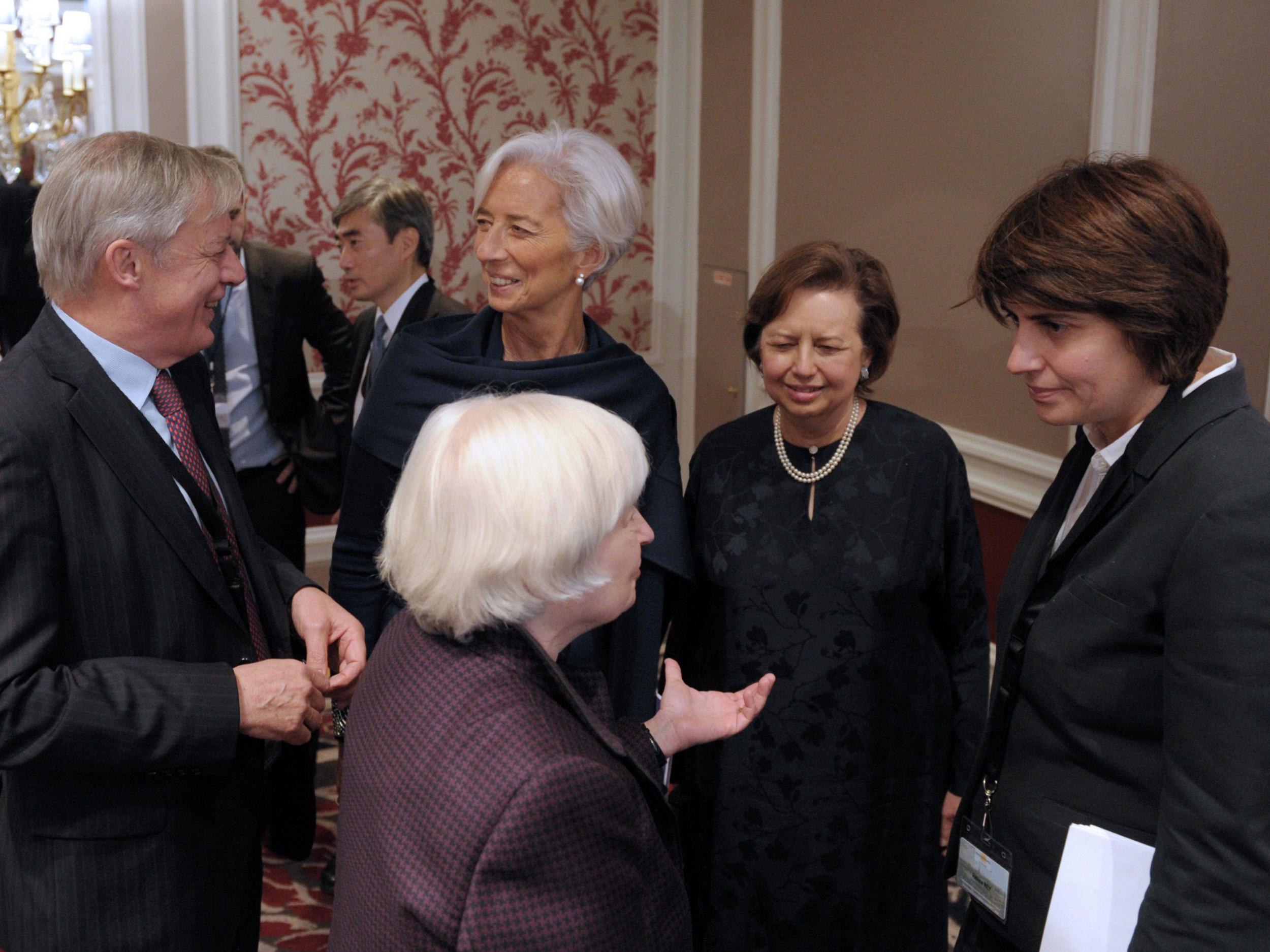
Hélène Rey, a professor at the London Business School, wrote an influential paper in 2013 on the cycle of financial firms borrowing money at low rates to invest in countries such as Malaysia, Turkey and Brazil – only to snatch the investments away when interest rates rise.
Sarah-Jayne Clifton, director of the Jubilee Debt Campaign said that many developing countries will have to deal with higher interest rates on their debt payments and higher exchange rates, which will compound problems connected to the falling prices of commodity exports.
“Some of the most impoverished countries in the world, such as Mozambique, Zambia and Ghana, are seeing their debt payments soar, after a boom in lending since 2008,” Clifton said.
A rate rise in the US will put pressure on the Bank of England to raise rates above 0.5 per cent, where they have languished since 2010.
Analysts expect the Bank of England to follow the US and raise UK interest rates in May 2016, which could hit people that have taken on big mortgages to keep up with soaring UK property prices.
The first place to feel a US rate rise will be the US itself. Though a raise of 0.5 per cent is unlikely to trigger a collapse in the housing market, it might put US companies off big investments as they look to earn the extra interest instead.
Join our commenting forum
Join thought-provoking conversations, follow other Independent readers and see their replies
Comments
Bookmark popover
Removed from bookmarks