UK has fastest growing economy in G7 in boost for Starmer
Sir Keir Starmer said the figures showed he was meeting his goal of having the highest growth in the G7 group of leading democracies
Britain’s economy is “beginning to turn a corner”, the chancellor said as new figures show it grew by more than expected, becoming the fastest-growing in the G7 group of leading industrial nations.
GDP rose by 0.7 per cent in the first three months of 2025 – the fastest rate in a year – according to the Office for National Statistics.
Sir Keir Starmer seized on the figures, describing them as “very good and very welcome”.
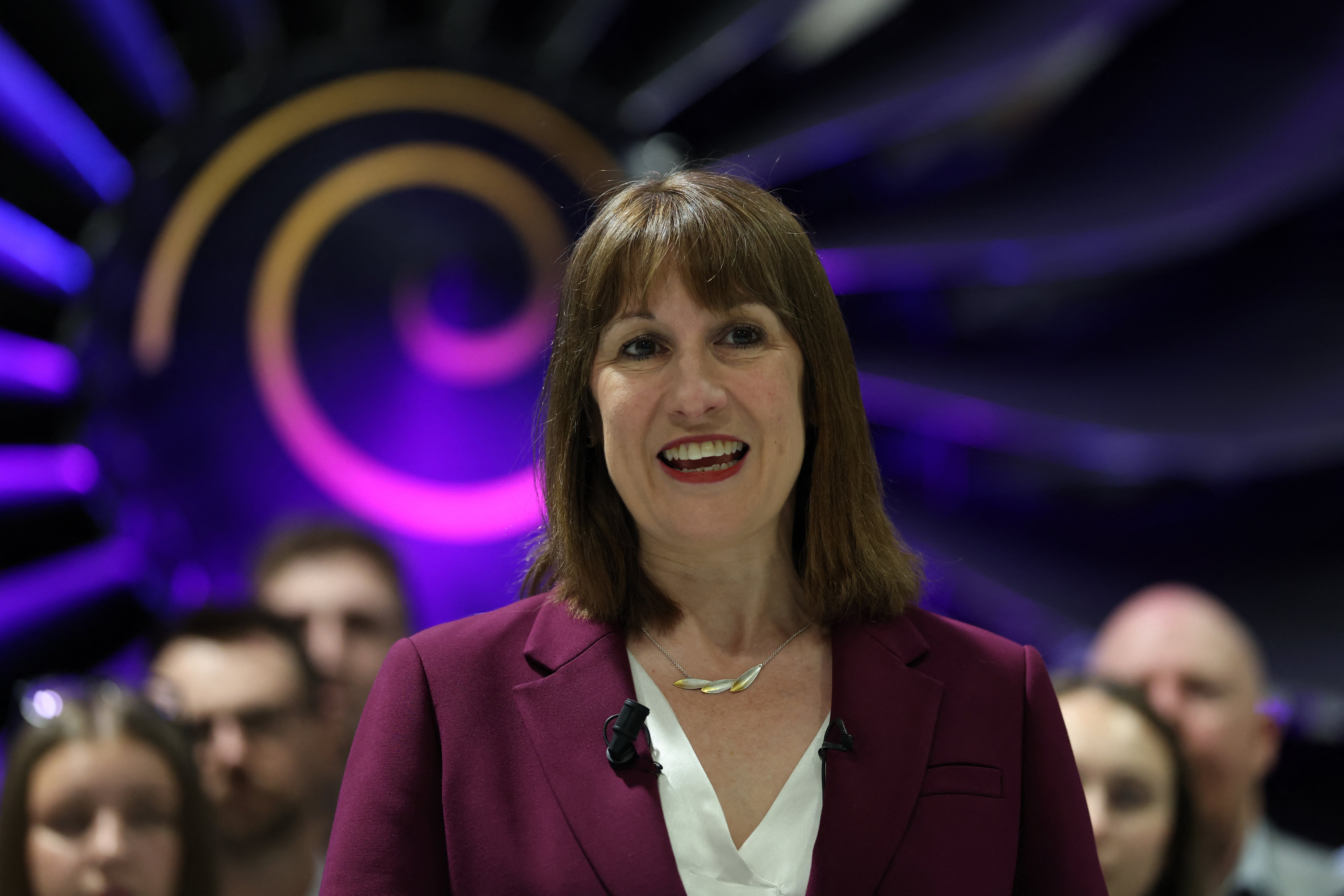
Chancellor Rachel Reeves admitted “we still have more to do” to fix the country’s sluggish economy, but added: “I absolutely understand that the cost of living crisis is still real for many families, but the numbers today do show that the economy is beginning to turn a corner.”
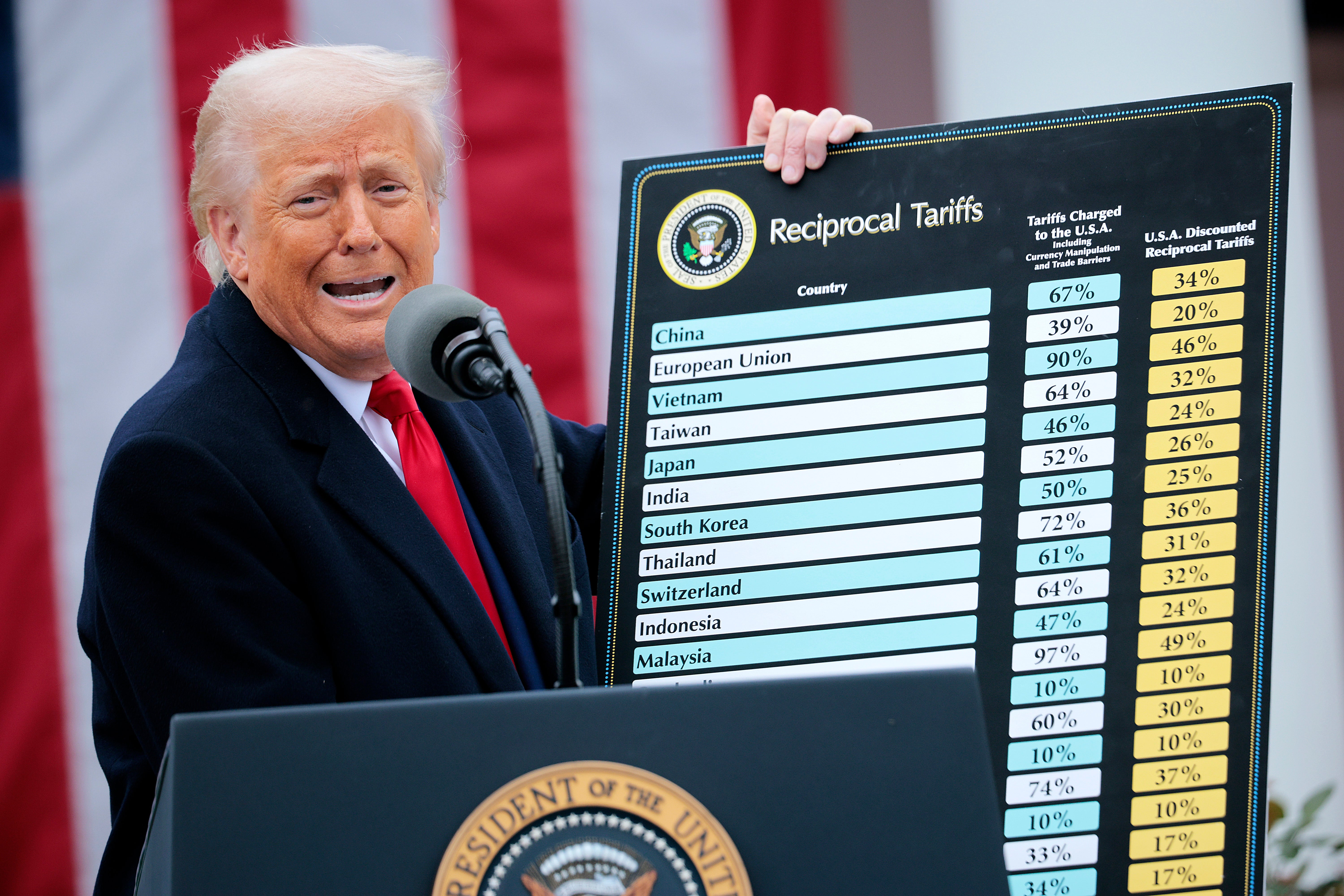
The figures covered the three-month period directly before Donald Trump unveiled his “liberation day” tariffs on 2 April.
While the figures are a welcome boost for the prime minister and chancellor, after the economy stagnated through Labour’s first six months in power, experts warned they were artificially inflated by firms boosting production in a bid to dodge the US president’s tariffs.
Mr Trump imposed sweeping levies on countries around the world – including the UK – which sent global markets tumbling and prompted economic instability.
The figures also cover the period before the chancellor’s employer national insurance hike kicked in, while the national living wage increase and employment rights bill are also expected to affect businesses and hit economic growth.

But Ms Reeves added: “In the first three months of the year, the UK economy has grown faster than the US, Canada, France, Italy and Germany. Up against a backdrop of global uncertainty, we are making the right choices now in the national interest.”
The 0.7 per cent growth means it came in ahead of economists’ expectations of 0.6 per cent growth for the quarter. It was also the highest GDP rate since the first quarter of 2024, when the economy jumped by 0.9 per cent.
Economists at the Confederation of British Industry (CBI) said the rise in activity was “a pleasant surprise”, but warned the strength of GDP over Q1 is “likely to prove a one-off”.
“Businesses remain cautious over hiring and investment plans given the steep rise in employment costs following the autumn Budget,” lead economist at the CBI, Ben Jones, said.

He added: “Now is a critical time for government to hardwire growth into the economy through the upcoming spending review.”
The latest figures show that economic growth slowed to 0.2 per cent in March, from 0.5 per cent in February, as activity among UK factories began to slump.
Ministers also acknowledged that the latest GDP figures do not yet account for the impact of the government’s hike in national insurance contributions for employers.
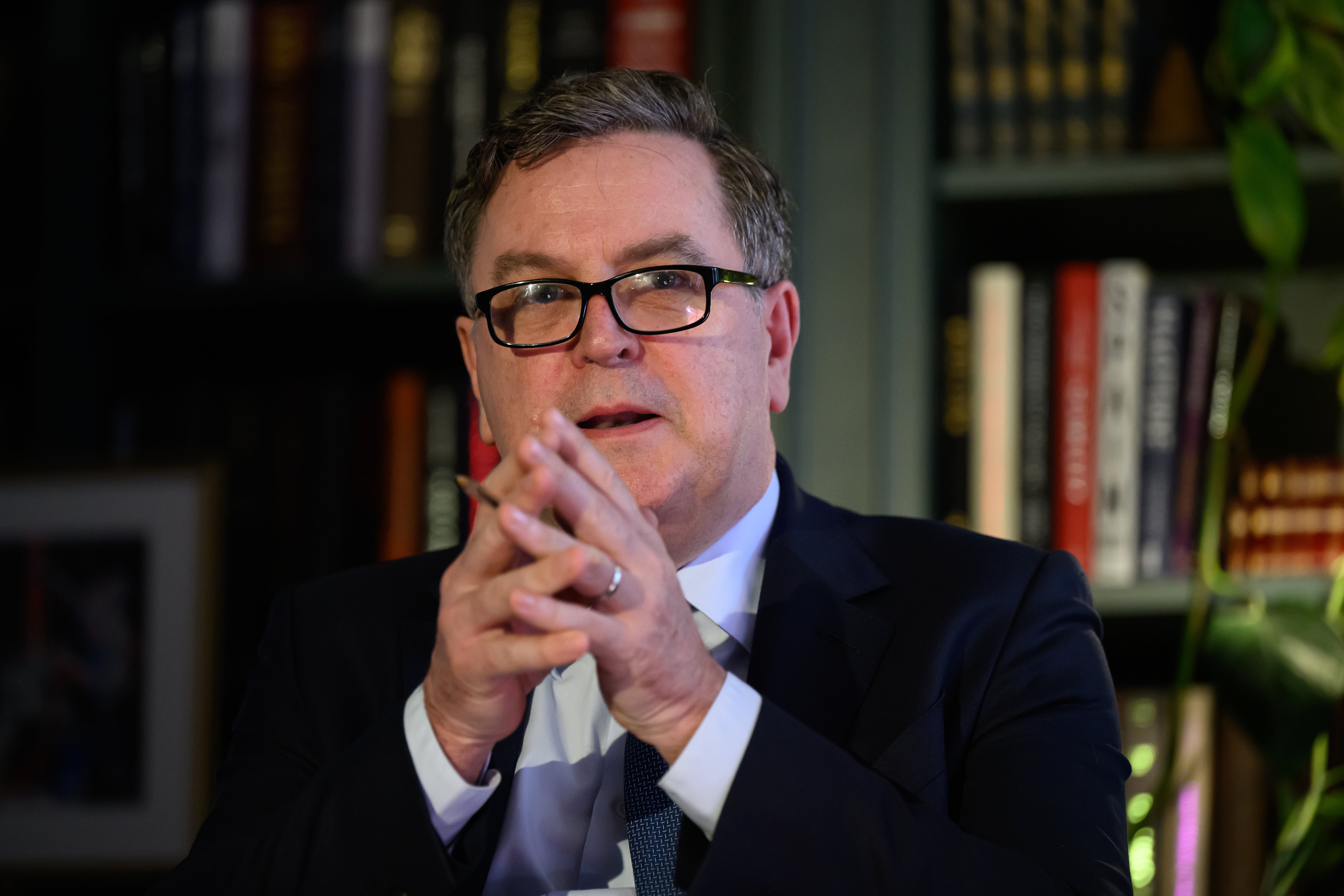
Shadow chancellor Sir Mel Stride also pointed out that both the Office for Budget Responsibility (OBR) and the International Monetary Fund (IMF) had downgraded short-term growth forecasts and hit out at the hike in employers’ national insurance, which he branded a “jobs tax”.
“While it’s welcome the economy is growing, both the OBR and IMF have downgraded the UK’s growth,” Sir Mel said.
“Labour’s jobs tax, unemployment bill and reckless choices have seen the number unemployed rise by 10% and working families £3,500 worse off.”
Growth Commission member Ewen Stewart said the figures “flatter to deceive” and cautioned that “the underlying position of the economy remains very weak”.
He added: “The more important matrix is not headline GDP but real GDP per capita, which better reflects overall living standards. While this grew by 0.5 per cent in Q1, this is on the back of declines in the previous two quarters.
“Moreover, real GDP per capita has barely increased since 2020, which is unprecedented in modern economic history.
“Substantial tax rises – notably, increased employers’ NICS – only took effect in April and are sure to compound the growth crisis the UK faces. This crisis is largely self-inflicted as increased taxation, weakly controlled public spending and ever-increasing regulation strangles optimism and potential.”
Join our commenting forum
Join thought-provoking conversations, follow other Independent readers and see their replies
Comments
Bookmark popover
Removed from bookmarks