Police may turn to 23andMe to solve Nancy Guthrie kidnapping
Genealogy databases were previously used to catch a California serial killer
Investigators looking into Nancy Guthrie’s disappearance say they might turn to genealogy databases, which were previously used to catch a serial killer in California and solve the fatal stabbings of four Idaho students.
If unidentified DNA evidence can be connected to a person — even a distant relative — in a genealogical database, it would give investigators more information and possibly lead to a suspect in Guthrie’s kidnapping.
“It’s a fantastic tool,” Ruth Ballard, a geneticist in California who specializes in DNA and has testified in hundreds of court cases, said.
“If it’s a good quality sample and they’re able to get a profile, they could find a hit on that fairly quickly.”
The Pima County sheriff's department in Arizona said that DNA collected so far in the investigation has not turned up any matches in a national criminal justice database known as CODIS.
The database contains DNA profiles from convicted criminals and, in some states, people arrested for certain crimes.
“Investigators are currently looking into additional investigative genetic genealogy options for DNA evidence to check for matches. CODIS is one option of many databases that are available,” the sheriff's department said Tuesday.
The department said Wednesday that biological evidence from Guthrie's Tucson-area home was being examined and that DNA profiles were at a lab for analysis.
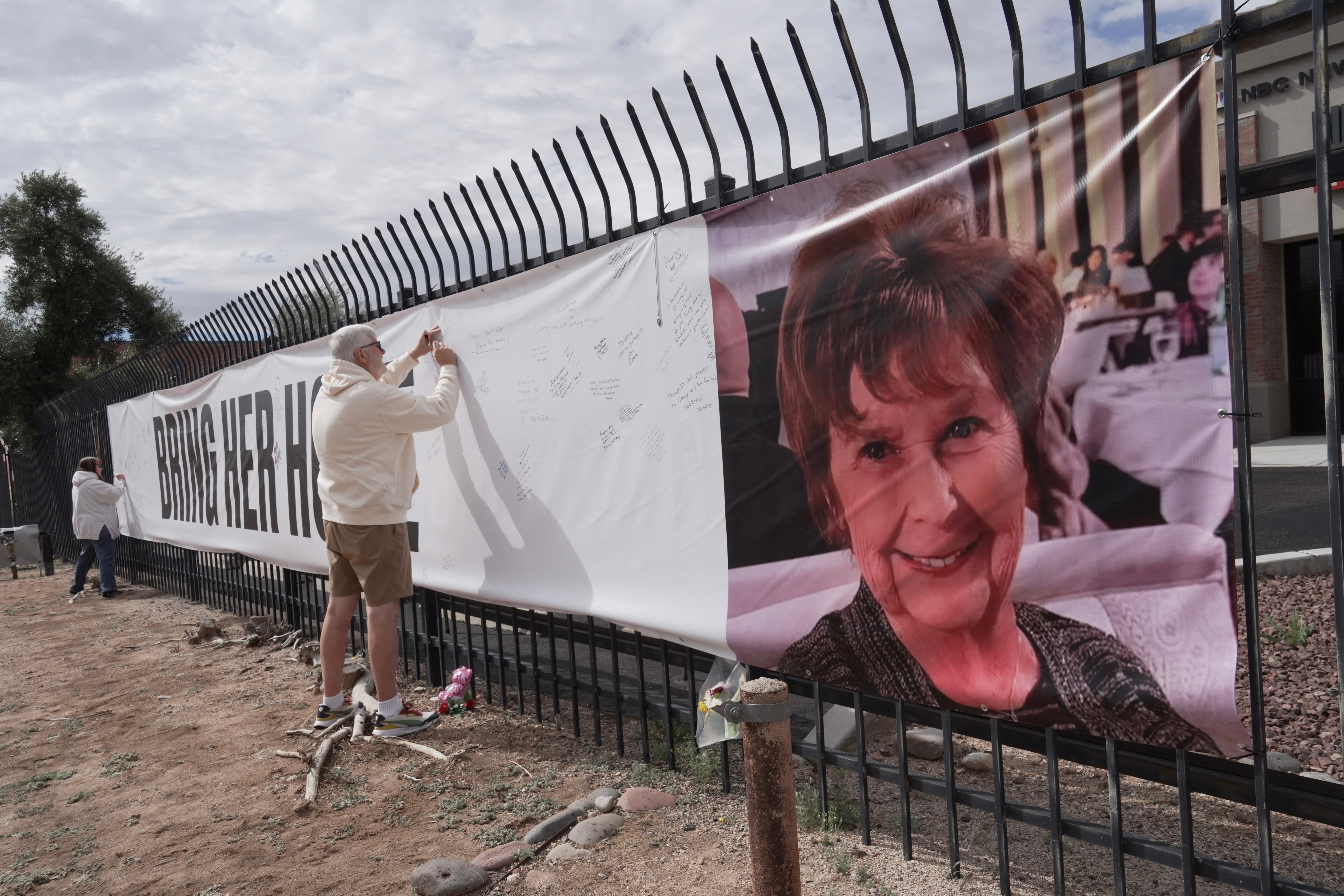
Guthrie, the mother of NBC Today co-anchor Savannah Guthrie, has been missing from her home since February 1. The FBI said gloves found about 2 miles away appeared to match those worn by a masked suspect who was recorded on a porch camera.
Genealogical sites Ancestry, 23andMe and MyHeritage say they can be asked to comply with court orders seeking information.

Another genealogical site, GEDmatch, said its policy is to ask users if they want to opt in to allow police to look at their data.
GEDmatch has been credited with helping solve the case of the so-called Golden State Killer. Police used DNA from crime scenes to find a distant relative and build a family tree that led to Joseph DeAngelo Jr.
In 2020, he pleaded guilty to 13 killings and dozens of rapes in California in the 1970s and '80s.
In Idaho, DNA from a knife sheath helped point to Bryan Kohberger in the killings of four University of Idaho students in 2022.
Investigators used genealogical sites to build a family tree and pulled trash from the Pennsylvania home of Kohberger's parents to make a connection. Kohberger pleaded guilty and was sentenced to life in prison.
 Reward for information about the disappearance of Nancy Guthrie increased to more than $200K
 DNA found on glove near Nancy Guthrie’s home returned no matches in federal database: report
 Sheriff says all family members of Nancy Guthrie cleared over her disappearance: ‘victims plain and simple’
 Trump threatens death penalty for Nancy Guthrie kidnappers after Savannah’s desperate plea
Ballard said the source and quality of the DNA evidence held by police can be factors when trying to find matches on genealogical sites.
“It does require a much better sample than CODIS searching does,” she said.
And there can be other hurdles.
“There are a lot of unknowns when you go into these databases,” Ballard said.
“The databases are not equal in terms of ethnic distribution. It’s comparatively easier to find a Caucasian because more have uploaded their data and there are more family trees to mine.”
Bookmark popover
Removed from bookmarks