Conservative appeals court rips Trump for describing migrants as an invasion to justify mass deportations
Circuit court judges rule ‘no invasion or predatory incursion’ made by Tren de Aragua criminals to justify invocation of 18th century wartime law
President Donald Trump’s use of an 18th century wartime law to deport people his administration has accused of belonging to a notorious Venezuelan gang is not legal, a federal appeals court ruled Tuesday.
A three-judge panel on the 5th U.S. Circuit Court of Appeals, one of the most conservative in the country, found in a two-one majority decision that the Alien Enemies Act of 1798 was intended for use against invading foreign soldiers and not against criminal gangs like Tren de Aragua, agreeing with immigrant rights lawyers and lower court judges.
“A country’s encouraging its residents and citizens to enter this country illegally is not the modern-day equivalent of sending an armed, organized force to occupy, to disrupt, or to otherwise harm the United States,” Circuit Judges Leslie Southwick and Irma Carrillo Ramirez wrote in their ruling, alluding to the administration’s claim that the gang has a direct affiliation with Venezuela’s government.
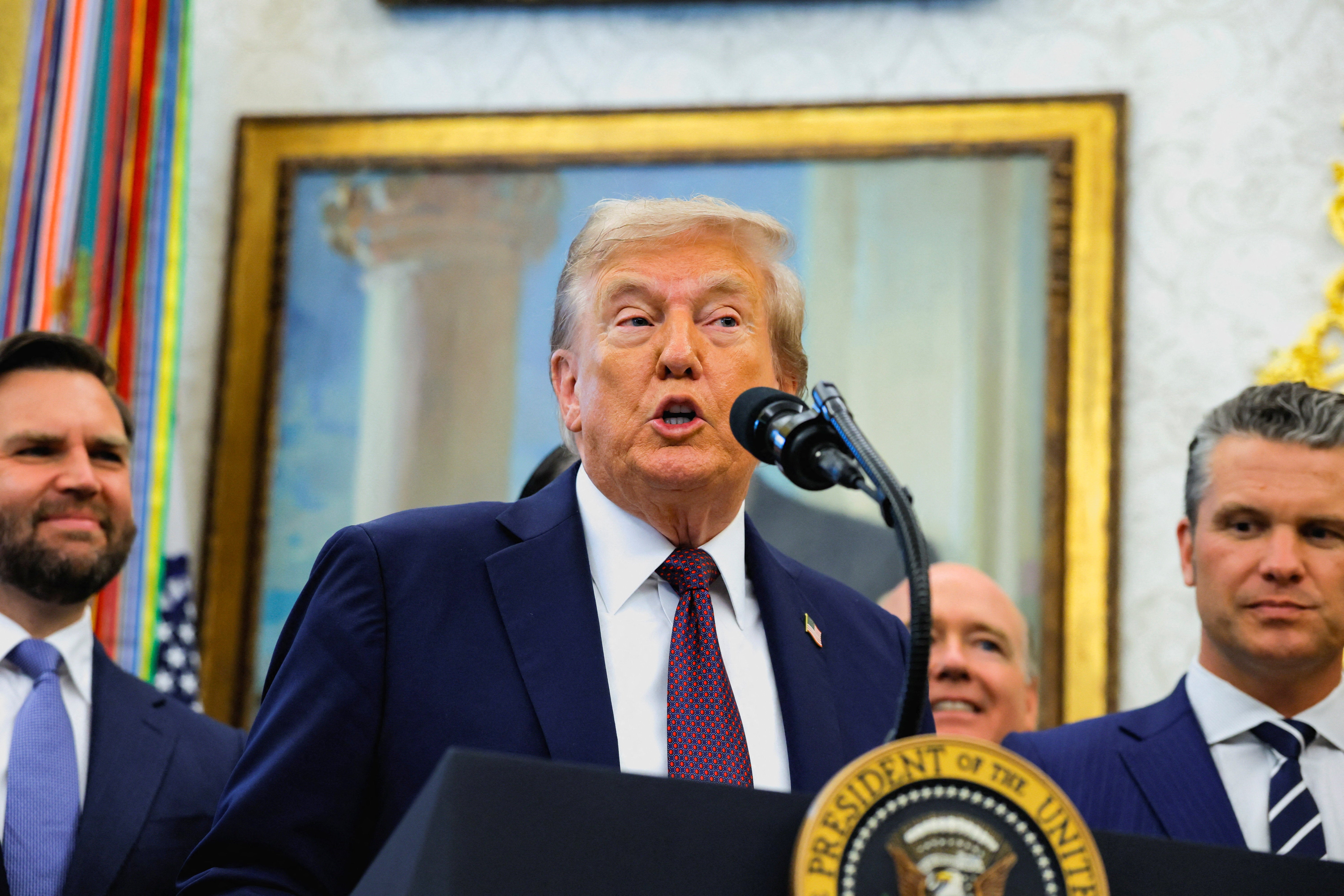
Those justices were appointed by George W Bush and Joe Biden respectively.
The dissenting voice came from Trump-appointee Andrew Oldham, who complained that his colleagues were making assumptions about the commander-in-chief’s conduct of foreign affairs and interfering with the executive.
“The majority's approach to this case is not only unprecedented – it is contrary to more than 200 years of precedent,” Oldham wrote in his dissent.
“For President Trump... the rules are different,” he insisted, warning that the ruling threatened to cast federal judges as “robed crusaders who get to play-act as multitudinous commanders-in-chief.”
The president and his administration have insisted the U.S. is being “invaded” by undocumented migrants from Central America and used the 227-year-old act as part of the basis for their mass deportation drive.
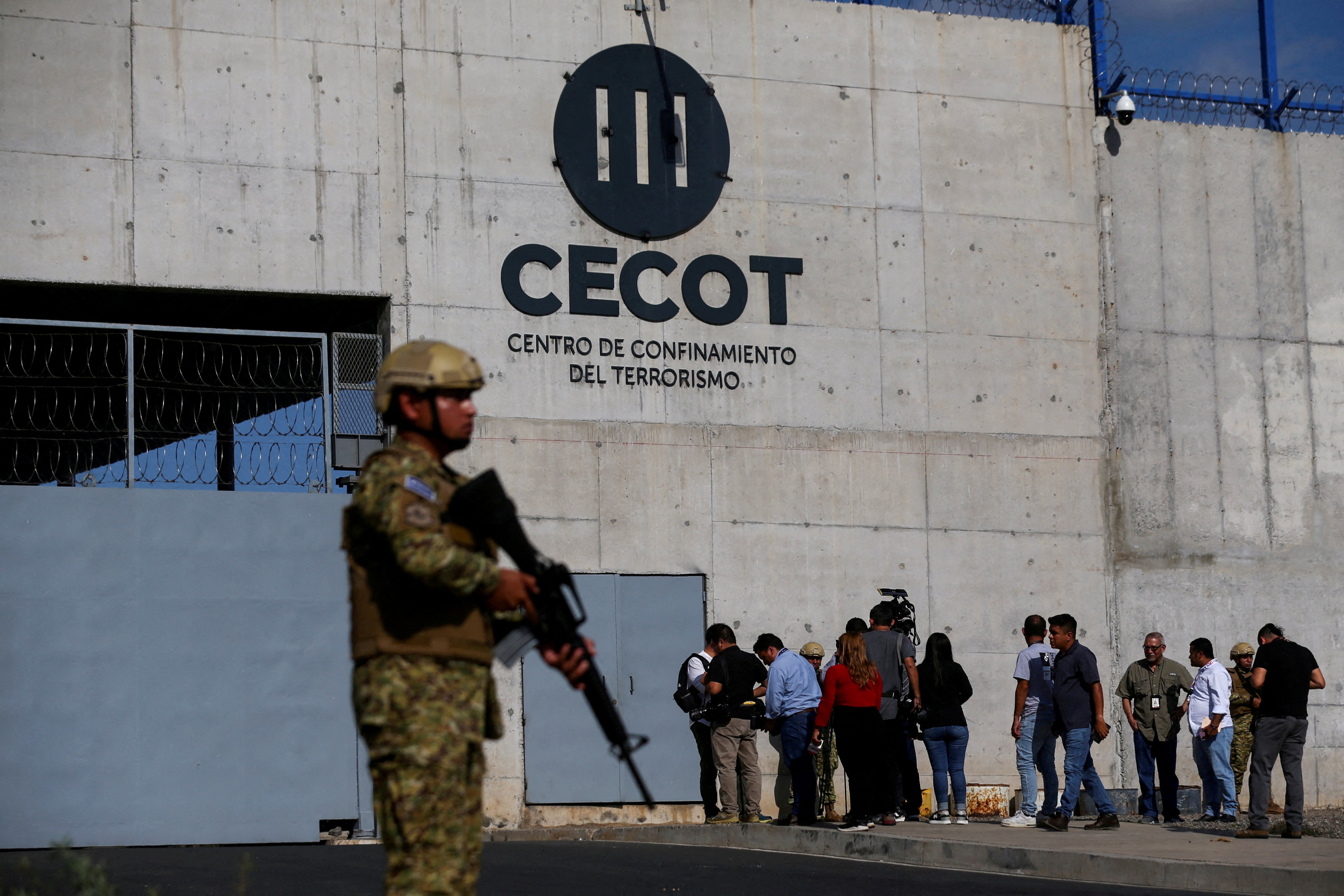
Trump invoked the law in March and ICE agents duly began arresting and deporting Venezuelans accused of belonging to Tren de Aragua to the notorious CECOT mega-prison in El Salvador, from which, government lawyers have argued, U.S. courts cannot order them freed.
The dispute now looks destined for the U.S. Supreme Court, assuming the administration appeals the verdict.
“The Trump administration’s use of a wartime statute during peacetime to regulate immigration was rightly shut down by the court,” said Lee Gelernt, who argued the case for the American Civil Liberties Union, after the opinion was announced.
“This is a critically important decision reining in the administration’s view that it can simply declare an emergency without any oversight by the courts.”
The judges’ ruling granted the preliminary injunction sought by the plaintiffs because the majority “found no invasion or predatory incursion” to justify the measure, saying the administration’s assessment of the threat posed by Tren de Aragua did not meet the historical levels of national conflict Congress had in mind when the act was passed more than two centuries ago.
The Alien Enemies Act has only been used three times before in American history, all during wartime: in the War of 1812 and then again in the First and Second World Wars.
Join our commenting forum
Join thought-provoking conversations, follow other Independent readers and see their replies
Comments
Bookmark popover
Removed from bookmarks