How the get-rich-quick TikTok generation are being targeted by digital ‘county line’ gangmasters
A generation that lives on line and exists in influencer culture are both easy to find and recruit as drug mules, writes Chloe Combi. But as this cash-strapped generation is targeted more and more, few realise the price that they will pay – even when they aren’t caught


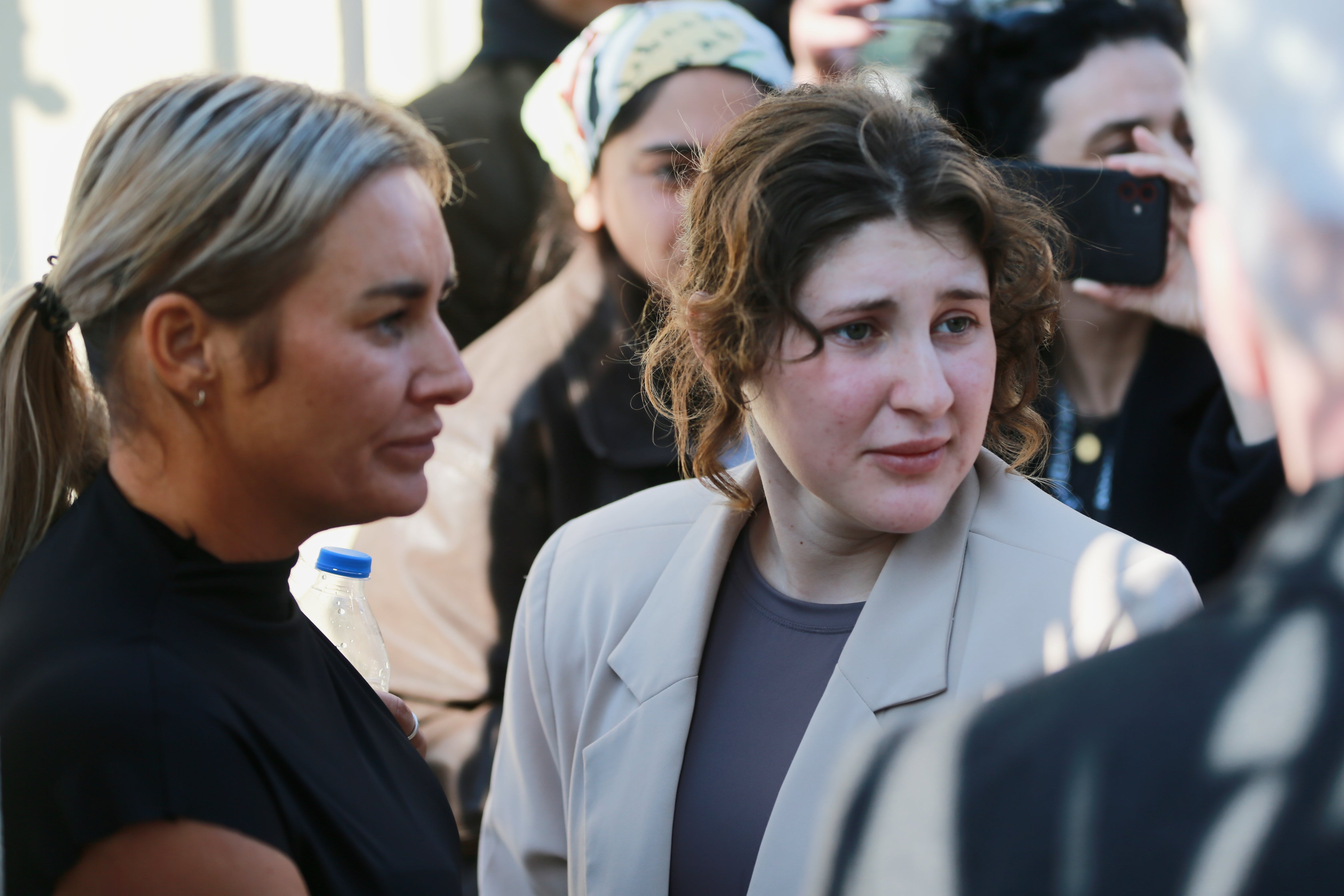
When Bella Culley was released from prison this week in Georgia, where she had been held on drug trafficking charges, 21-year-old Gregg* was consumed by a foreboding sense of déjà vu.
Culley had been held for six months after being arrested in May at Tbilisi airport, accused of attempting to smuggle 12kg (26.5lb) of marijuana and 2kg of hashish into the country from Thailand. The 19-year-old, from Teesside in northeast England, had been reported missing in Thailand before her arrest and pleaded not guilty, saying she was tortured in Thailand and forced to carry the drugs. But on Monday, as part of a plea deal, the 35-week pregnant teenager was found guilty and sentenced to five months and 25 days in prison – the total time she had already spent in custody – and her parents paid a 500,000 lari (about £137,000) fine.
She walked out looking like any other 19-year-old student, in chocolate-brown leggings and an oversized beige blazer, her brown hair pulled back from her baby face. It was a far cry from the tanned blonde Gen Z selfie pout that we had seen in pictures before. And it gave Gregg chills.
“I don’t obviously know what she was up to, but it gives me a ‘there but for the grace of God go I’ shiver,” he says.
Gregg* is one of many teenagers and young adults I’ve spoken to recently who have been approached by strangers via social media with offers of holidays, flights, expensive gifts, and lump sums of cash to deal or smuggle drugs in popular foreign destinations.


Social media has become an incredibly efficient introductory service for gangs and organised crime rings to access young, gullible Gen Zers eager to get rich quickly. It is extraordinary that more isn’t being done to warn young people planning to travel about the dangers of being lured in.
Social media is a powerful profiler. There seems to be a particular type being scouted: young people travelling abroad for the first time, away from home and parental supervision. Young people who post pictures of partying and a taste for the high life (without the funds to match) are especially of interest. Organised crime targets them much like a Tinder date.
Snapchat, TikTok, and Instagram posts often give away exact locations. An 18-year-old posting a picture of rolling a joint in Thailand or referencing “Molly” in Tenerife is opening themselves up to an invitation to make quick, illegal, and dangerous cash.
Gregg explains: “We were ordering drugs via Telegram in Tenerife, Ibiza, Magaluf, and it’s obvious that it’s become an introductory service for kids and gangsters. You can buy whatever you want and have it delivered to your door – there are 2-for-1 offers on coke, buy-5-get-6-pills-type deals. When they see you’re just a dumb kid, they’ll say, ‘Do you want to make some extra cash?’
“The girls we were with were posting all our shenanigans on TikTok and Instagram and getting approached with the same offers, by the same people. Social media is a portal to seriously dodgy underworld stuff if you’re not careful.”
On holiday, Gregg and his friends were offered two options: to deal drugs in small quantities, like grams or per pill in bars or clubs to other partying young people, or to make a bigger lump sum in one hit by taking drugs through customs, usually on planes. Gregg believes the ease with which they were approached demonstrates how widespread the use of young travellers as cheap drug mules has become.
As this is a generation that lives online and exists in influencer culture, they are both easy to find and target. They are gullible because they are desperate to live the “high life” and money-hungry enough to consider unsavoury options to get there.
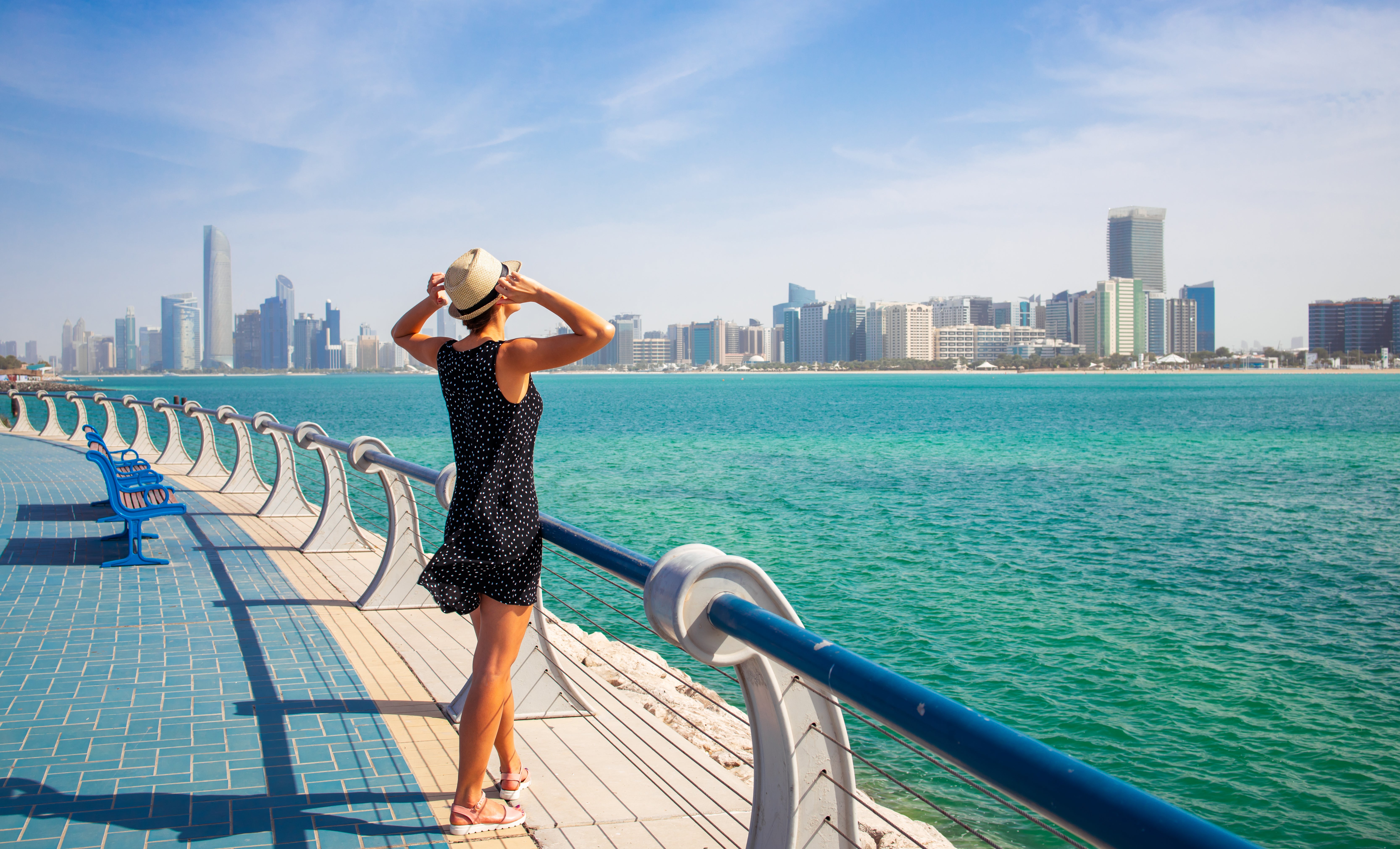
Kaya*, 22, had a similar experience in Dubai. She explains, “Dubai is all about illusion – look how rich and flashy I am! Most young people who go there don’t have the funds to really sustain that lifestyle. Two summers ago, we went out as cheaply as possible to grow our socials and make it look like we’d made it, which makes people want to follow you. We had four separate approaches in the first weekend – two for sex work and two for carrying “small parcels”.

“It was made to sound very easy, like ‘girls never get searched’ in customs, even though that’s blatantly untrue, and the money is so, so tempting. You could easily make a year’s salary with two or three runs and then get a first-class holiday afterwards. It’s hilarious when you see lower-tier influencers posting pictures on yachts – it’s either sex, drugs, or something dodgy. Yachts in Dubai are expensive!”
Kaya is now in her second year of medical school and has left behind her desire to become a social-media influencer, but a couple of her contemporaries remain deep in the lifestyle, with all its risks. Like Gregg, she got a jolt of horror on reading the story of Mia O’Brien, recently given a life sentence in Dubai after authorities found 50 grams of cocaine in an apartment she was staying at with a friend.
Kaya says O’Brien’s Instagram mirrored the types of posts she and her friends were putting out, which she believes “are a magnet for the criminal underworld, who see young travellers as cheap fodder for sex and drug trafficking”.
Zainab*, 23, has Moroccan parents and travels extensively in the Far East, particularly Thailand. She is a seasoned traveler and has noticed a pattern in most of the places she visits.
“When I’m away, I don’t post at all, but my girlfriends do. Whenever they post on Instagram or TikTok, particularly about partying or clubbing, or even just drinks, they’ll get approached the next day, maybe on the beach or in a bar by a friendly, well-dressed guy with expensive clothes asking if you want to party. You can set your watch by it.”
Prior to her arrest, Bella Culley’s Instagram was filled with the type of posts Zainab warns against: rolling joints, flashing cash, romantic references to an “outlaw” lifestyle in exotic locations. Being alone and very young would have made her extremely attractive to anyone profiling young people as potential mules.
Gregg tried dealing drugs in a club in Tenerife once before retiring after one night, but he has friends who remain entrenched in the influencer lifestyle, struggling to walk away due to addiction, debt, and involvement with people who don’t give out a P45.
Gen Z and Gen Alpha are coming of age amid economic instability where get-rich-quick lifestyles feel more attainable than ever. “Playing outside the system” is a feature of this generation, whether that’s becoming a crypto-bro, a Bonnie Blue-type sex creator, or an OnlyFans model or TikTok shopper. It also means a lot of them are dangerously susceptible to people dangling the promise of Rolexes, amazing trips on yachts, and holidays – which are seen as the markers of success on social media and in real life.
The UK Foreign, Commonwealth & Development Office (FCDO) warns of the severe penalties for drug offences abroad, including long prison sentences and, in some countries, the death penalty.
However, many institutions have not kept pace with this changing landscape of technology and communication. Many young people who I spoke to got contacted while at home via social media with the offers of easy, large sums of cash. When you scratch beneath the surface, these are almost always sex- or drugs-related (or both) and if you are a skint 21-year-old job hunting on a rainy Wednesday in Sheffield or Shoreditch, these offers can look very tempting.
Young people who are good-looking and post sexy or flashy pictures and videos and interact with get-rich-quick influencers, when they aren’t rich, are the ones most susceptible to being groomed in this way. Kayla, from Bradford, tells me that whenever a friend her age announces a trip to a glamorous location or starts posting from an exotic place on expensive boats or driving expensive cars in expensive clothes, her red flag goes up.
She explains, “Most of us can’t afford the train to Manchester, so when some boy or girl I went to school with is suddenly in Dubai wearing a Rolex, I just think, hmm. I always send them a message on Insta, TikTok or Snap telling them to be careful and not do anything stupid. What else can you do?”
*Names have been changed
To read more from generational expert Chloe Combi head to chloecombi.substack.com/
Join our commenting forum
Join thought-provoking conversations, follow other Independent readers and see their replies
Comments
Bookmark popover
Removed from bookmarks