Air pollution could be harming children’s eyesight, study finds
Polluted air can cause inflammation and stress in the eyes, the researchers found
Air pollution could be harming children’s eyesight with cleaner air helping to protect their vision, researchers have found.
Harmful emissions such as nitrogen dioxide have already been linked to 16,000 premature deaths and 30,000 new cases of asthma in children.
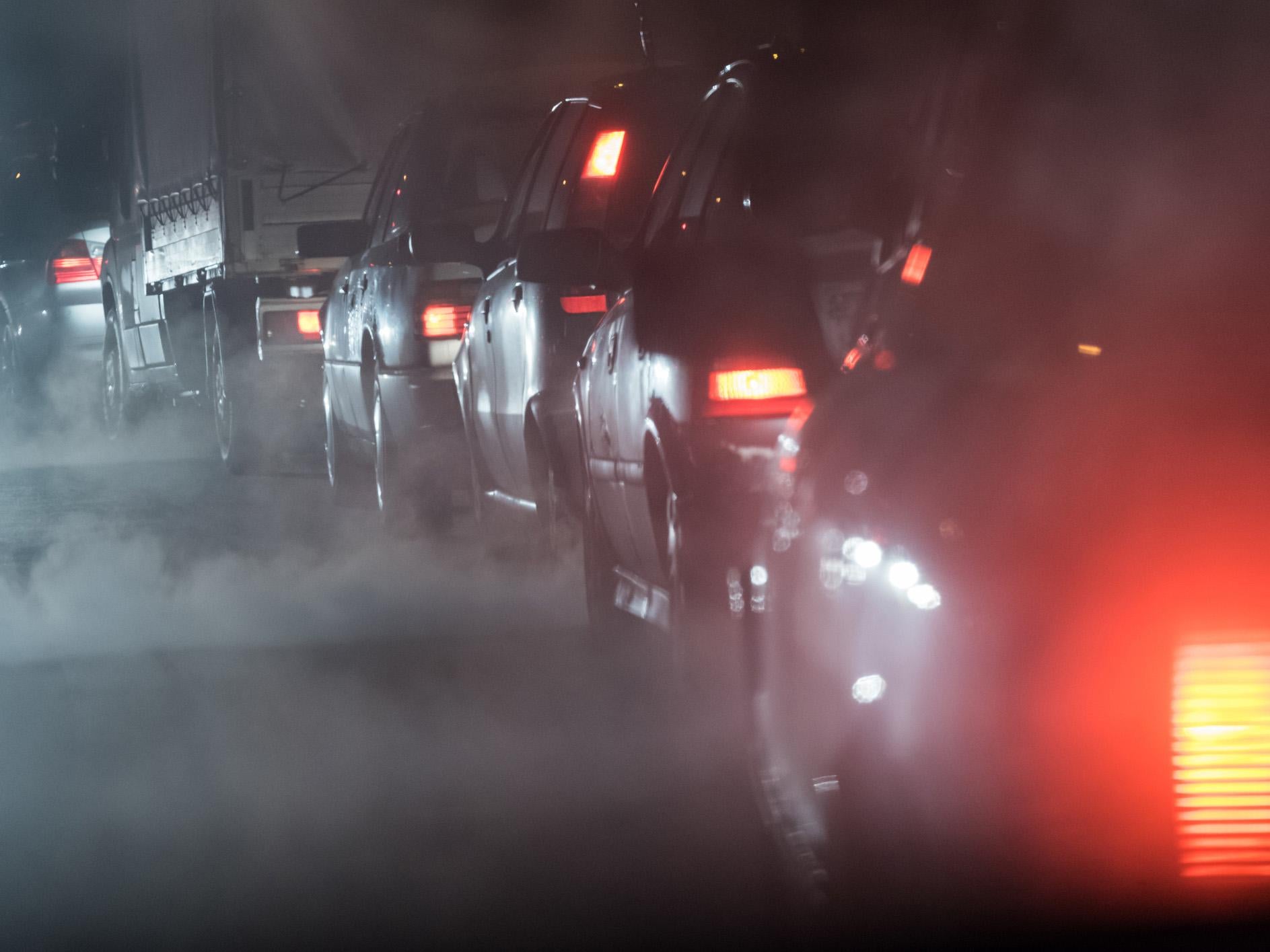
But pollution associated with traffic - specifically nitrogen dioxide and fine particulate matter (PM2.5) - has now also been linked to how well children can see without glasses.
A study by researchers at the University of Birmingham suggests reducing exposure to pollution could help slow the progression of myopia or short-sightedness, which is when distant objects appear blurry.
“While genetics and screen time are long recognised as contributors to childhood myopia, this study is among the first to isolate air pollution as a meaningful and modifiable risk factor,” Professor Zongbo Shi from the University of Birmingham, who co-supervised the study, said.

“Clean air isn’t just about respiratory health - it’s about visual health too. Our results show that improving air quality could be a valuable strategic intervention to protect children’s eyesight, especially during their most vulnerable developmental years.”
Researchers explained how polluted air can cause inflammation and stress in the eyes. It can also reduce sunlight exposure - which is important for healthy eye development - and trigger chemical changes in the eye that lead to it changing shape, causing myopia.
The study, published in PNAS Nexus, analysed data of 30,000 school-aged children on how environmental, genetic, and lifestyle factors interact to influence children’s vision development.
Data revealed that children who lived in areas with cleaner air had better vision, and that primary school children were especially sensitive to pollution levels.
When these younger children were exposed to cleaner air, they showed the greatest improvements in their vision.
While older students and those who had myopia already were less likely to be affected by environmental changes, this suggests that early action before vision problems become severe could make a difference.
Installing air purifiers in classrooms, creating “clean-air zones” around schools to reduce traffic pollution, and closing streets to cars during school drop-off and pick-up times could improve eye health.
Co-author Dr Yuqing Dai, from the University of Birmingham, said: “Myopia is on the rise globally, and it can lead to serious eye problems later in life. While we can’t change a child’s genes, we can improve their environment. If we act early - before severe myopia sets in - we can make a real difference.”
The findings come as the UK’s largest class action court case is due before the High Court next month, which could reveal how many diesel cars have been fitted with emissions-cheating devices.
Campaign groups Mum’s for Lungs and ClientEarth claim there are 23 car models on UK roads that are potentially pumping out dangerous nitrogen dioxide at levels far above legal limits.
“More than 120,000 children went to hospital struggling for their breath in London in 2024 alone. Car companies built cars that emit illegal and toxic levels of gas and little lungs are paying for it every day,” said Jemima Hartshorn, founder of Mums for Lungs.
The trial comes a decade on from ‘dieselgate’ in 2015, where Volkswagen admitted as many as 11 million of their cars had software that manipulated emissions tests. These models emit 70,300 tonnes of excess nitric oxide and nitrogen dioxide above legal limits every year.
Join our commenting forum
Join thought-provoking conversations, follow other Independent readers and see their replies
Comments
Bookmark popover
Removed from bookmarks