Commonly prescribed drug could slash heart attack and stroke risk
Gout has been linked with an increased risk of cardiovascular disease, which includes heart attacks and stroke
A medication commonly prescribed for the treatment of gout could also reduce the risk of heart attack and stroke when taken at the right dose, a new study suggests.
Gout, a common form of arthritis, is caused by the build-up of uric acid crystals in the joints and can lead to sudden and severe joint pain, usually in the big toe or other places such as the feet, ankles, hands, wrists, elbows and knees.
Medication such as allopurinol is used to reduce uric acid levels and dissolve crystals when taken at the right dose, which can vary from person to person.
Patients are usually told to aim for levels below 360 micromol/litre in the blood.
Gout has been linked with an increased risk of cardiovascular disease, which includes heart attacks and stroke.
For the study, researchers in the UK, Sweden and Italy analysed data from the Clinical Practice Research Datalink Aurum linked to hospital and mortality records from January 2007 to March 2021.
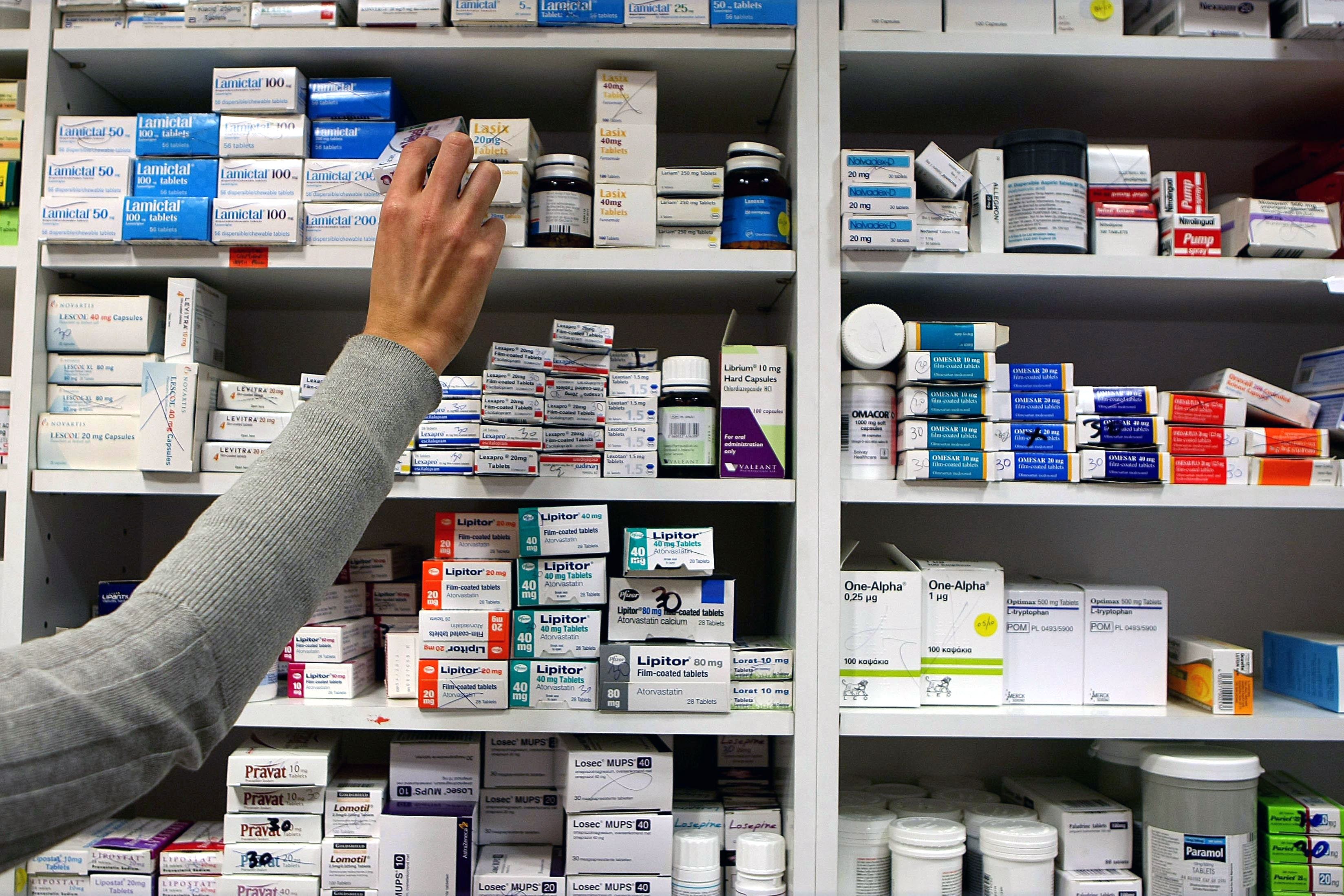
All 109,504 patients were aged 18 or over and had been diagnosed with gout and had uric acid levels higher than the recommended target prior to treatment.
They were split into two groups, one of which was given uric acid-lowering drugs, mainly allopurinol.
Researchers then looked at whether there were heart attacks, strokes or death from heart problems within five years of the first prescription.
They found that those on medication had a lower risk of heart problems in the five-year period compared to the other group, as well as fewer gout flare-ups.
The risks were lowered further in patients who achieved a lower uric acid level of less than 300 micromol/L.
University of Nottingham’s Professor Abhishek Abhishek, who led the study, said: “People with gout are at an increased risk of illnesses such as heart disease and stroke.

“This is the first study to find that medicines such as allopurinol that are used to treat gout reduce the risk of heart attack and stroke if they are taken at the right dose.
“The right dose varies from person to person and is the dose that gets the blood urate level to less than 360 micromol/L (6 mg/dL).”
Prof Abhishek described the findings, published in JAMA Internal Medicine, as “very positive”.
He added: “Previous research from Nottingham showed treat-to-target urate-lowering treatment prevents gout flares.
“This current study provides an added benefit of reduced risk of heart attack, stroke, and death due to these diseases.”
The UK Gout Society estimates that the condition affects around one in 40 people in the UK.
Join our commenting forum
Join thought-provoking conversations, follow other Independent readers and see their replies
Comments
Bookmark popover
Removed from bookmarks