Belly fat can be good for you, study reveals
Visceral fat is usually associated with type 2 diabetes and heart disease, but researchers say it could help fight infections
Not all fat is bad for you and some extra weight around your stomach could play a vital role in fighting infections and inflammation, a study has suggested.
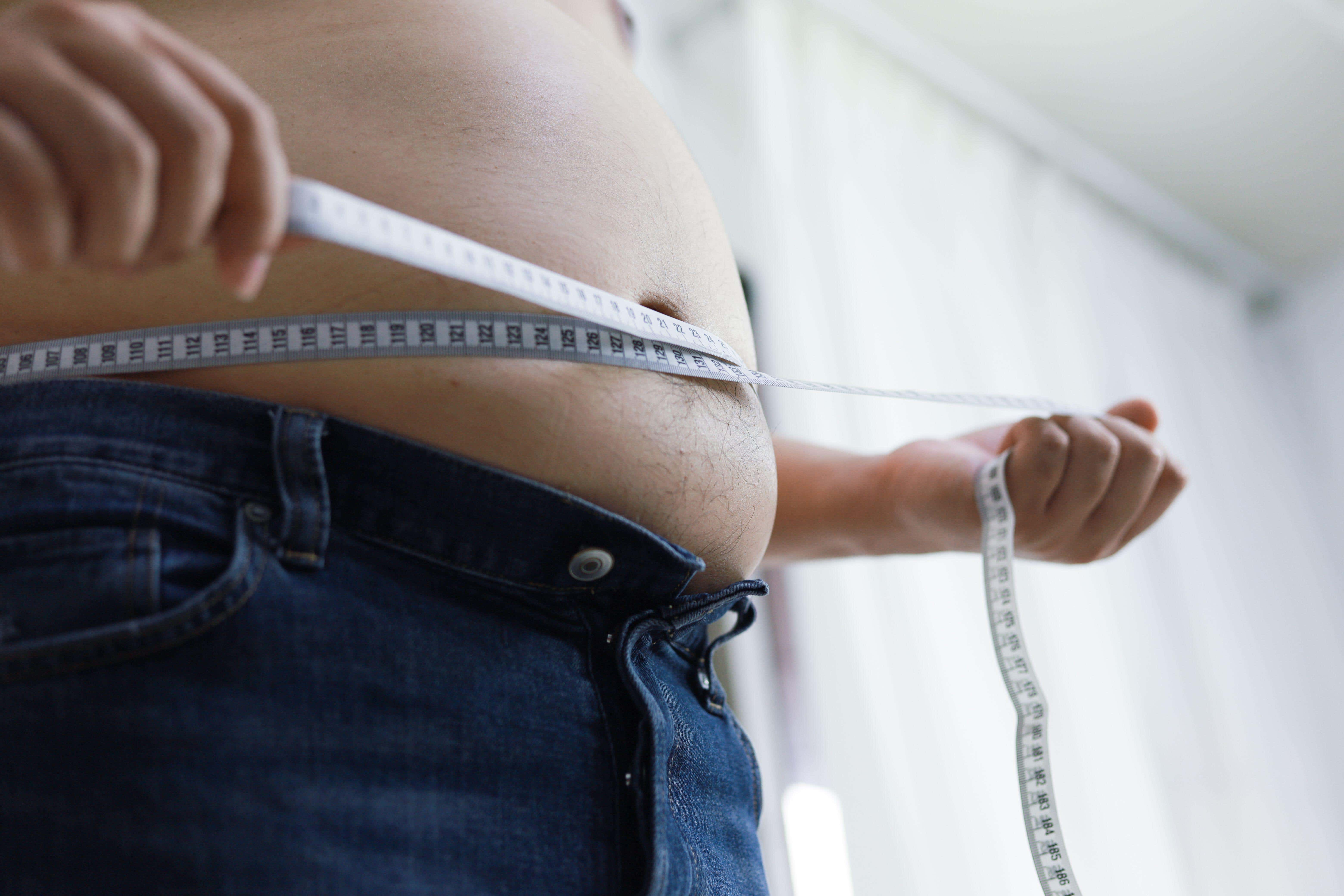
Excess fat around the belly and internal organs, known as visceral fat, has long been seen as harmful. It’s associated with type 2 diabetes, heart disease, some types of cancer, stroke and high blood pressure.
But researchers at the Karolinska Institute in Sweden have suggested “abdominal fat is not a uniform issue” and some types of fat can be beneficial.
Jiawei Zhong, the lead author of the study, said: “Fat tissue doesn’t just store energy – it also functions as an active organ, sending signals that affect the entire body.
“A common misconception is that abdominal fat is uniform, when in fact it consists of several distinct depots.”
For the study, published in the journal Cell Metabolism, researchers took samples of five different abdominal fat types in eight individuals with severe obesity. Fat was taken from under the skin, around the stomach, and close to the bowel.
The results show clear differences between these fat types. Most striking is the so-called epiploic fat tissue along the colon, which contains an unusually high number of inflammatory fat cells and immune cells.
Lab experiments suggested that bacterial signals can prompt fat cells to produce proteins that activate immune cells within the tissue to fight infection.
Researchers said the results suggest fat tissue near the gut has a unique function. It may be an adaptation to the gut microbiome - the ecosystem of microbes that live in your intestines.
Since the study was conducted on individuals with obesity, it remains unclear whether the findings apply to people of normal weight.
Jutta Jalkanen, co-first author of the study, said: “The next step is to understand the role of fat tissue around the colon in inflammatory bowel diseases such as Crohn’s and ulcerative colitis. Now that we know it contains both fat cells and immune cells, we want to investigate how their interaction influences disease activity.
“Our goal is to find out whether this fat tissue contributes to amplifying or sustaining inflammation by sending signals that affect immune cells locally.”
Previous studies have also suggested fat isn’t always a bad thing. One Danish study tracking more than 85,000 adults suggested being slightly overweight might not shorten your life, but being very thin might.
Researchers found that people with a BMI below 18.5 were nearly three times more likely to die early than those in the middle to upper end of the so-called “healthy” range.
Join our commenting forum
Join thought-provoking conversations, follow other Independent readers and see their replies
Comments
Bookmark popover
Removed from bookmarks