The innovative new treatment which could help cancer patients avoid surgery
Bladder cancer is the ninth most common cancer in the world, the fourth most common cancer in men, and the 11th most common cancer in women
An experimental non-surgical treatment method has demonstrated strong results in fighting a form of bladder cancer, according to new research.
The type of cancer, known as BCG-unresponsive high-risk non-muscle-invasive bladder cancer, is difficult to treat and has previously relied on bladder removal surgery.
However, a new “breakthrough” treatment known as Inlexzo, tested by Janssen Research and Development, a subsidiary of Johnson & Johnson, may offer a more preferable alternative to surgery.
So far, the treatment has eliminated tumours that had resisted prior treatment in 82 per cent of patients.
Study lead Sia Daneshmand said: “Traditionally, these patients have had very limited treatment options. This new therapy is the most effective one reported to date for the most common form of bladder cancer.”

He continued: “The findings of the clinical trial are a breakthrough in how certain types of bladder cancer might be treated, leading to improved outcomes and saved lives.”
This treatment involves a simple outpatient procedure in which Inlexzo, a small, drug-releasing system, is inserted directly into the bladder without general anaesthesia. This activates a process over several weeks, which slowly releases the chemotherapy drug gemcitabine.
Dr Daneshmand explained: “The theory behind this study was that the longer the medicine sits inside the bladder, the more deeply it would penetrate the bladder and the more cancer it would destroy.
“And it appears that having the chemotherapy released slowly over weeks rather than in just a few hours is a much more effective approach.”
Bladder cancer is the ninth most common cancer in the world, the fourth most common cancer in men, and the 11th most common cancer in women. Bladder cancer is more commonly found in people aged 75 to 84, as you are more likely to develop it as you age.
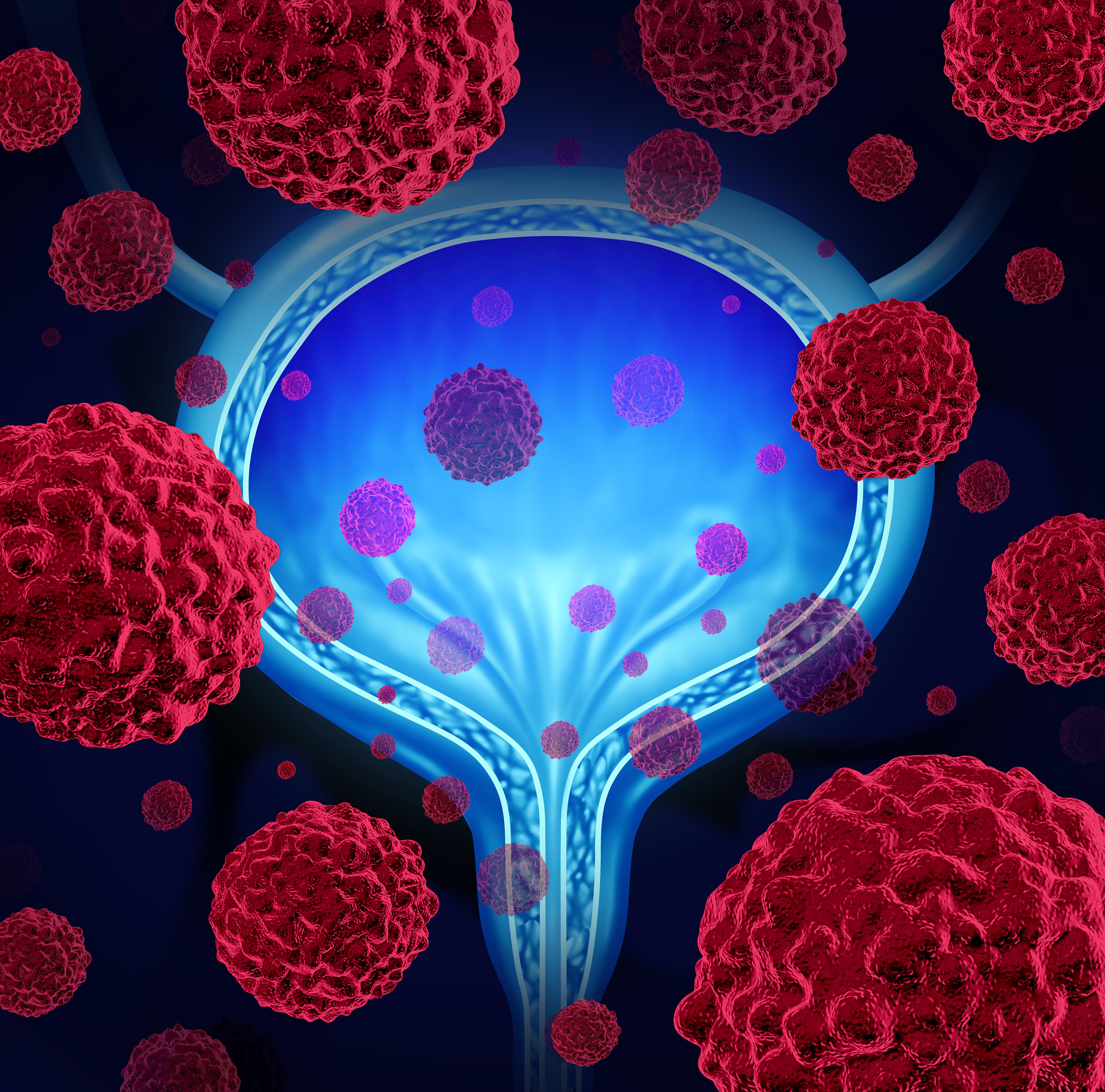
All participants in the study had high-risk bladder cancer that did not respond to the standard immunotherapy drug BCG. The study was divided into test groups that were treated with different combinations of drugs and methods.
In one group, patients received Inlexzo once every three weeks for about six months, followed by maintenance treatments every 12 weeks for up to two years.
Among 85 patients in this group, 82.4 per cent showed no detectable signs of cancer after treatment. In that group, 52.9 per cent remained cancer-free at one year, and many stayed cancer-free for more than two years without needing additional therapy.
In another group of patients with a less aggressive type of early-stage bladder cancer, early disease-free survival rates were 85.3 per cent at six months and 81.1 per cent at nine months. Overall, 94 per cent of patients were able to keep their bladders.
The clinical trial results were published earlier this year in the Journal of Clinical Oncology, but the findings may not be representative of all types of bladder cancer.
Join our commenting forum
Join thought-provoking conversations, follow other Independent readers and see their replies
Comments
Bookmark popover
Removed from bookmarks