Three cups of tea or coffee can lower dementia risk by almost a fifth, study finds
There are currently estimated to be 982,000 people with dementia in the UK and early prevention is crucial, with caffeine appearing to help protect the brain from the condition
People who drink three cups of tea or coffee a day could cut their risk of getting dementia by almost a fifth, a new study has found.
There are currently estimated to be 982,000 people with dementia in the UK and early prevention is crucial, with caffeine appearing to help protect the brain from the condition.
That is according to health records of 131,000 people in the US, who recorded how many caffeinated hot drinks they had a day and compared it to their memory and health over four decades.
Participants who drank two to three cups of caffeinated tea or coffee per day were found to have a 15 to 20 per cent lower risk of dementia than those who went without. But drinking more than three cups of tea and coffee had “no additional advantages”.
Caffeinated coffee drinkers also reported slightly less cognitive decline than those who opted for decaf and performed better on some brain tests.
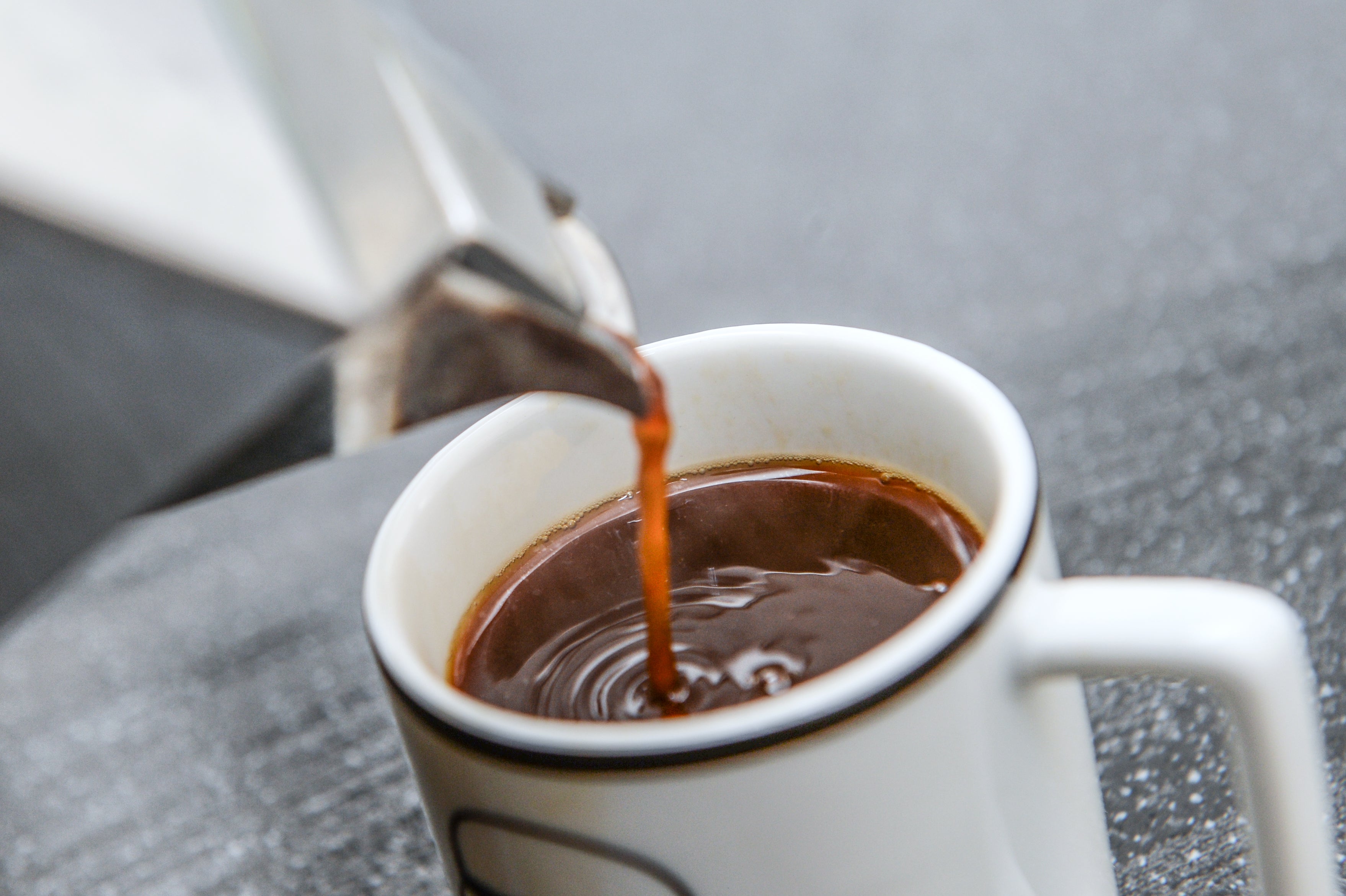
“When searching for possible dementia prevention tools, we thought something as prevalent as coffee may be a promising dietary intervention,” said study author Dr Daniel Wang, assistant professor at Harvard Medical School.
He explained that although there are other ways to protect cognitive function, the study suggests caffeinated coffee or tea can be “one piece of that puzzle”.
It is thought that the bioactive ingredients, such as polyphenols and caffeine in tea and coffee, are responsible for the cognitive benefits. These ingredients have possible neuroprotective factors that reduce inflammation and cellular damage while protecting against cognitive decline, according to the study’s authors.
In the major study by Harvard University, published in the Journal of the American Medical Association, 11,033 participants developed dementia.
Both men and women with the highest intake of caffeinated coffee had an 18 per cent lower risk of dementia compared with those who reported little or no caffeinated coffee consumption.
But there are other ways to reduce the risk of dementia, Professor Jules Griffin, director of the Rowett Institute at the University of Aberdeen, added.
He suggests that “not smoking, doing exercise, and reducing the intake of saturated fat and free sugar in our diets,” are all methods that would have a “bigger effect” than drinking coffee.
Researchers believe that up to 40 per cent of dementia cases can be prevented or delayed by tackling factors such as obesity, smoking, excessive alcohol consumption, hearing loss and high blood pressure. But the impact of coffee and tea on the brain needs to be further looked into.
Sarah Berry, professor of nutritional sciences at King’s College London, said: “While we wait for more research into coffee’s links with dementia, the evidence that coffee can support general health is now quite strong. So, if you enjoy coffee, you don’t need to feel guilty, but if you don’t respond well to caffeine or you don’t like the taste, don’t worry, there are plenty of other ways to support your health.”
Join our commenting forum
Join thought-provoking conversations, follow other Independent readers and see their replies
Comments
Bookmark popover
Removed from bookmarks