Children in South Carolina are developing rare brain swelling complications after measles outbreak
The majority of the Southeast state’s 876 cases have been in unvaccinated children
South Carolina children who have contracted cases of the measles virus in recent months have also been affected by a worrying and sometimes deadly complication, the state’s epidemiologist said Wednesday.
Some have developed an inflammatory brain condition known as encephalitis, which refers to swelling in the brain that can cause seizures, intellectual disability or even death.
It’s unknown how many children have encephalitis, but Dr. Linda Bell told reporters that any time people develop the known complication of measles “there can be long-term consequences, things like developmental delay and impacts on the neurologic system that can be irreversible.”
“We want to prevent this potential complication in anyone,” she said.
The majority of the state’s 876 cases are in children, including 233 under the age of five years old and 555 between the ages of five and 17, according to data from the South Carolina Department of Public Health released Tuesday.
Encephalitis usually occurs within 30 days days of an initial measles infection. Among children who get measles encephalitis, 10 to 15 percent die, according to Wired.
And, encephalitis isn’t the only complication health authorities have seen due to infections.
Bell noted that there had been cases of pneumonia — a leading cause of child deaths around the world — as well as 19 hospitalizations for complications related to measles in South Carolina since the outbreak’s start in October.
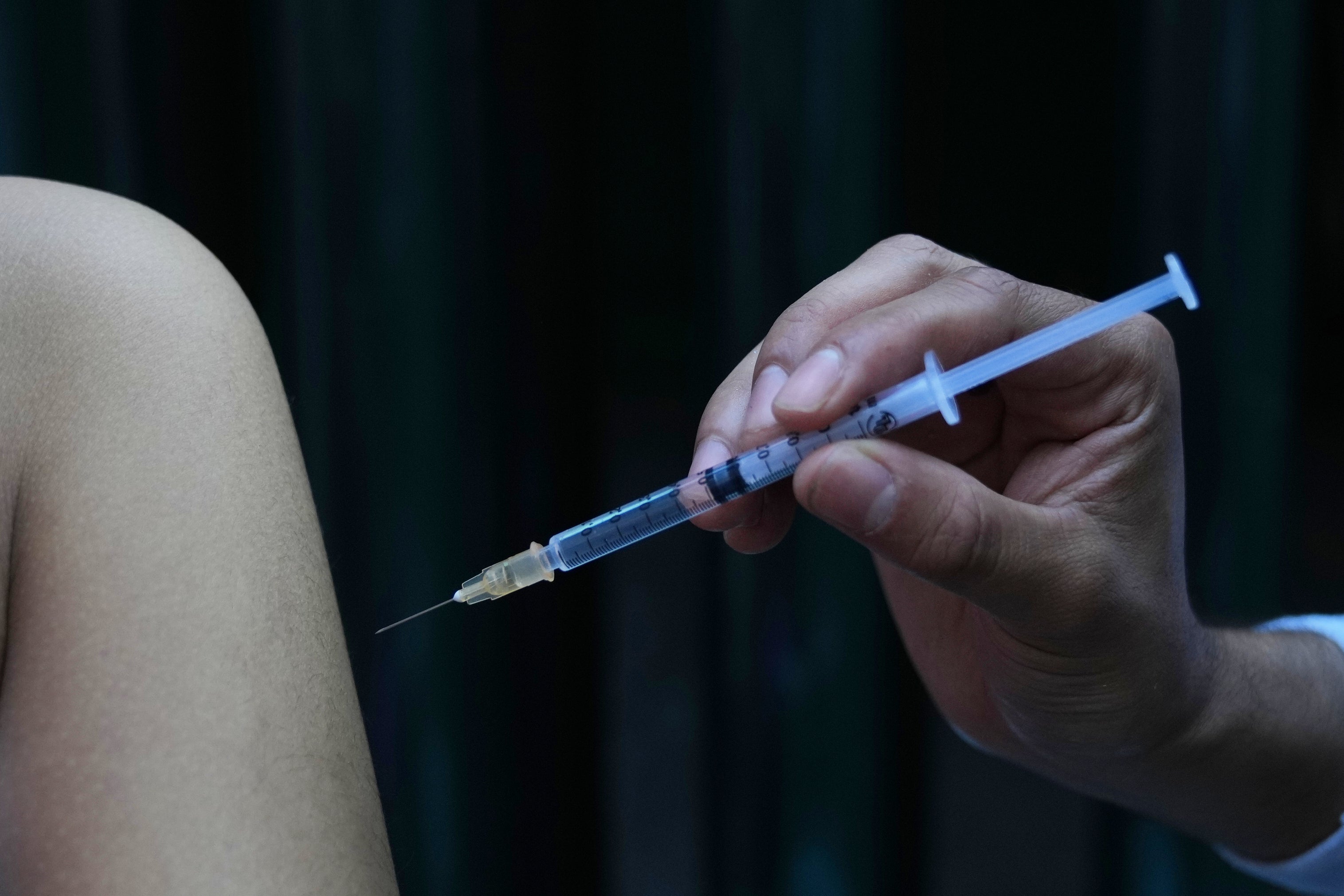
“These are complications we hope to prevent, and increasing vaccination coverage protects those who cannot be vaccinated like young infants, pregnant women and those with weakened immune systems,” she said.
The majority — a whopping 95 percent — of cases are in unvaccinated individuals. That’s a trend that’s been seen in other outbreaks across the country since last year, though South Carolina’s is now the largest since another sickened hundreds in West Texas.
The measles-mumps-rubella vaccine offers lifelong protection for 97 percent of people who receive two doses, which is how the U.S. eliminated the highly infectious measles virus in 2000.

But, rising vaccine hesitancy and misinformation has left communities unprotected, doctors say.
“There’s also a misconception that measles is just a routine childhood infection, that it’s not consequential,” Stanford Medicine’s Dr. Sruti Nadimpalli explained in a statement. “In reality, it suppresses the immune system and the potential complications are very serious, including severe debility and death.”
In the Palmetto State, however, the tide is starting to turn.
Bell said there had been a strong increase in vaccinations last month: the largest since the beginning of the outbreak.
“No vaccine offers 100 percent protection against infection, but the MMR vaccine is one of the most effective vaccines in preventing infection,” she said.
Join our commenting forum
Join thought-provoking conversations, follow other Independent readers and see their replies
Comments
Bookmark popover
Removed from bookmarks