Blood and saliva tests to detect cancer before symptoms begin ‘could be part of NHS screening within a decade’
The government has set out how it intends to transform cancer detection and treatment in a new 10-year plan
The NHS wants to roll out blood, urine and saliva tests that could pick up signals of more than 50 cancers before symptoms appear as part of a major push to tackle the growing cancer crisis in the health service.
A new 10-year national cancer plan for England says the tests have the “potential to transform and modernise” diagnosis and could become part of NHS screening within a decade.
“The ability to screen or test for multiple cancers at once, often pre-emptively – moving away from the NHS’ reactive and episodic default care model – will be a particularly transformative breakthrough,” the plan said.
“Liquid biopsies that analyse blood biomarkers – as well as breath, saliva and urine tests – will diagnose multiple cancers far earlier, enabling care to begin before a patient knows they needed it rather than after long, frustrating waits.”
The paper, entitled the NHS Cancer Plan, makes a host of proposals which it said would help hundreds of thousands of patients to survive the disease from 2035.
The plan aims to:
- Expand the use of cancer vaccines, such as those being developed for lung cancer, by 2035, in addition to the 10,000 already promised by 2030
- Use patients’ wearable technology to detect when they are at risk of cancer and need intervention
- Accelerate the uptake of GLP-1 obesity medicines such as Mounjaro, due to the link between obesity and cancer
It also vows that, by March 2029, all cancer waiting time targets will be met, meaning that 80 per cent of patients will get a diagnosis or all-clear within 28 days of an urgent suspected cancer referral. It also says 85 per cent of patients will receive treatment within 62 days of referral and 96 per cent of patients will start treatment within 31 days of a decision to treat.
The 62-day cancer treatment target, first introduced under Tony Blair’s Labour government, has not been hit since 2015.
The document also pledges that 75 per cent of patients diagnosed from 2035 will be cancer-free or living well with cancer within five years. However, one target set by the previous government in the NHS Long Term Plan for 75 per cent of cancers to be diagnosed at stage 1 or 2 by 2028 has been pushed to 2035 in this new plan.
The NHS is already running a major trial called Galleri, which is looking at whether a multi-cancer early detection blood test works in people with no symptoms.
The plan states: “Subject to UK National Screening Committee (NSC) review – and evidence of their efficacy, safety and value – our ambition is that multi-cancer early detection tests can become part of our national screening programmes during the course of this plan.”
The document also sets out a drive to create the “next generation” of personalised treatments for cancer patients and a focus on new cancer vaccines to prevent the disease from coming back.
“We are already seeing progress in cancer vaccines through the Vaccine Innovation Pathway and Cancer Vaccine Launch Pad and will deliver up to 10,000 cancer vaccines by 2030. Our ambition is that these kinds of treatments are more widely available by 2035,” it said.
Health secretary Wes Streeting launched the plan on Wednesday during a visit to the Royal Free London hospital where he was treated for kidney cancer.
He described how, “in what must be a first, over half the ministerial team” in the Department of Health and Social Care are cancer patients – “myself, Karin Smyth and Ashley Dalton”.
Health minister Ms Dalton has breast cancer that then spread to other parts of her body, while Ms Smyth, another health minister, was diagnosed with skin cancer in 2023.
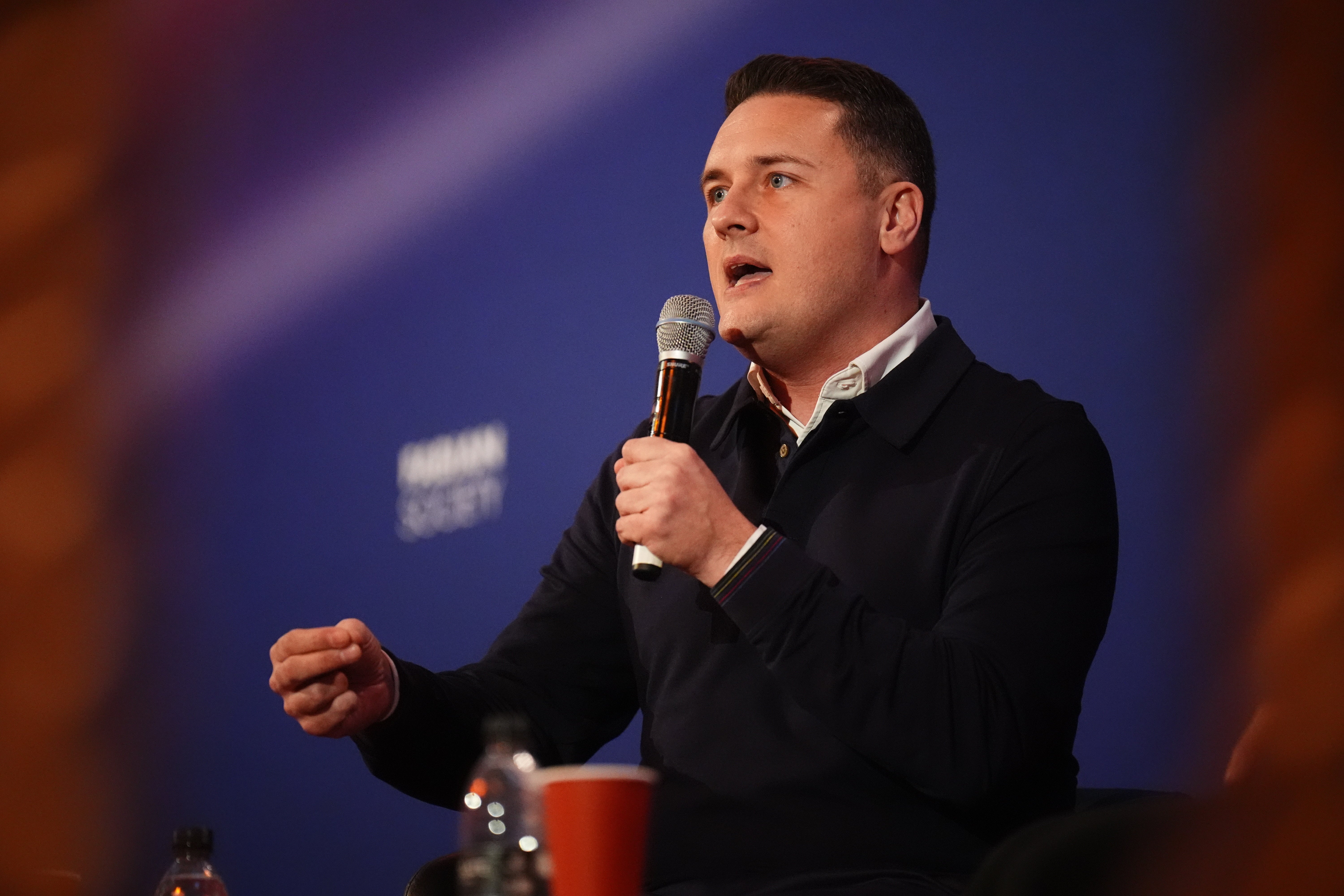
He also pledged to “up the ante on prevention”, including through targeting smoking and junk food adverts, and described out how each cancer patient would receive a personal cancer plan.
He said: “Because everyone’s experience is unique, we’re announcing today each patient will receive a personal cancer plan with bespoke assessments to ensure that the support fits all of our distinct clinical, practical but also emotional needs.”
The plan further sets out how the government will “prioritise improvement” in those hospitals lagging behind in key cancer areas, and warns that those failing to improve on cancer could have their services taken over.
The report also set out how, by 2028, the NHS app will be the “front door for cancer care, allowing patients to manage screening invitations, appointments, and treatment plans”.
Community diagnostic centres and hospitals can also expect to have more MRI scanners with AI acceleration technology, “which will add capacity for 154,000 additional scans to March 2029, and reducing repeat tests through image sharing”.
Elsewhere, breast pain and post-menopausal bleeding clinics will also be rolled out nationally by the end of 2026.
The plan also promises to do more to keep cancer patients in work, including through more detailed work with firms on how to support employees.
In a foreword to the report, Mr Streeting described receiving a cancer diagnosis at the age of 38.
Michelle Mitchell, chief executive at Cancer Research UK, said: “After almost a decade since the last dedicated cancer strategy, the publication of the national cancer plan for England marks an important milestone for cancer patients and their loved ones.
“There is much to welcome, including commitments to meet cancer waiting-time targets, diagnose cancer earlier, and accelerate the set-up of clinical trials – alongside the national rollout of targeted lung screening.
“These are positive steps towards transforming services and saving more lives.
“The key question that patients and their loved ones will ask, however, is how quickly will they see progress in cancer survival and outcomes?
“The improvements they’re waiting for will depend on how this plan translates into delivery.”
Bookmark popover
Removed from bookmarks