Groundbreaking discovery finds genetic links to pancreatic cancer
Discovery could revolutionise early identification and intervention for the deadly disease
Groundbreaking research has uncovered genetic patterns associated with pancreatic cancer, a discovery that could revolutionise early identification and intervention for the deadly disease.
Currently, pancreatic ductal adenocarcinoma (PDAC), the most prevalent form of pancreatic cancer, often goes undetected until its advanced stages due to a lack of effective early diagnostic tools.
The team, based in Southampton, Hampshire, and supported by the Planets cancer charity, believes their findings could lead to the development of personalised risk prediction tools.
Such advancements would enable doctors to pinpoint individuals who might benefit from earlier screening and potentially life-saving treatments. Known risk factors for the disease include smoking, diabetes, obesity, and inherited genetic predisposition.
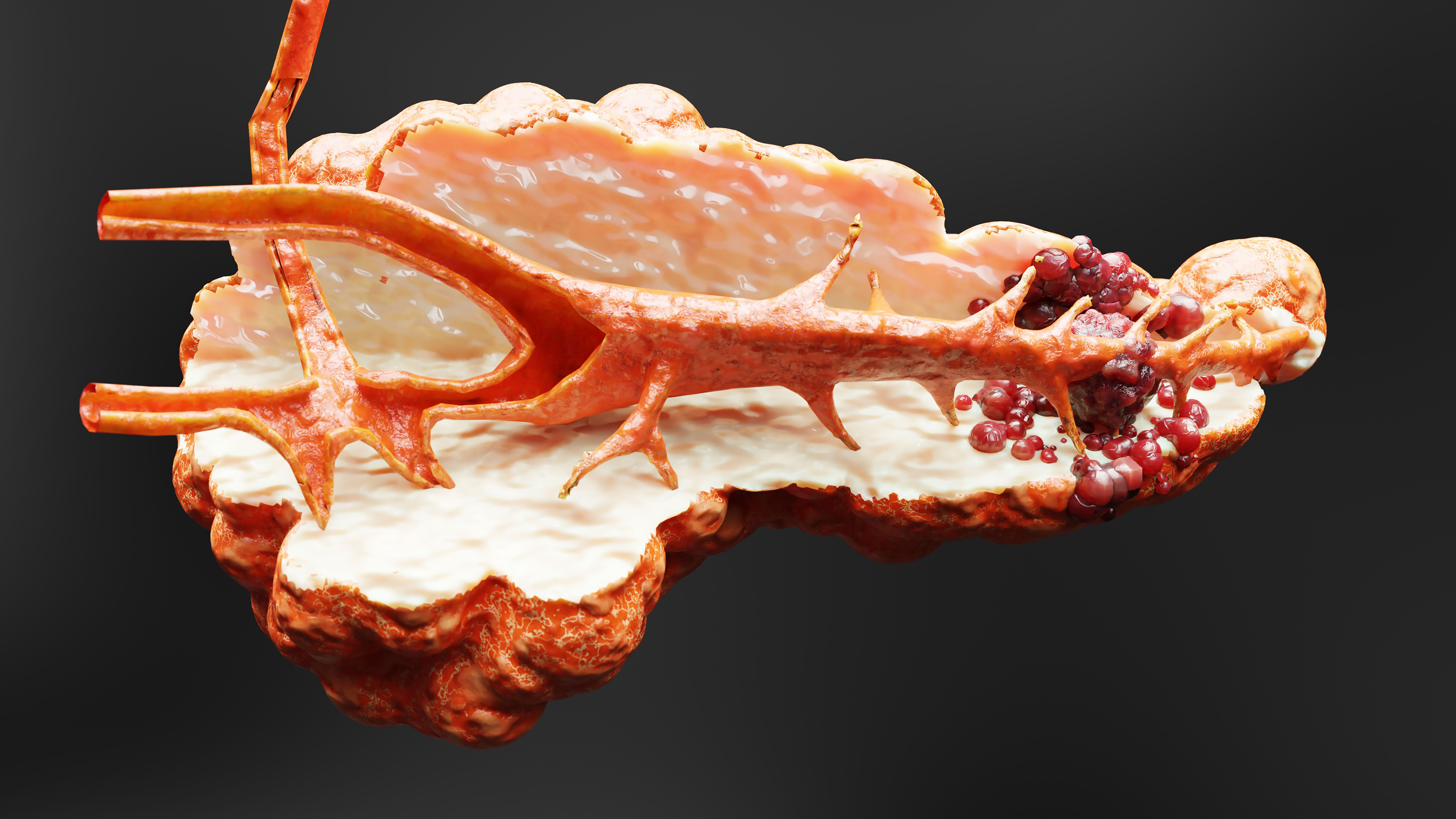
Dr Georgios Ioannis Verras, clinical research fellow at the University of Southampton, who presented the research at the British Association of Surgical Oncology (BASO) conference this month, said: “Our early analyses suggest new genetic patterns that may be relevant to pancreatic cancer risk in the UK population.
“If these findings are replicated in further studies, they could eventually feed into more refined risk prediction tools that combine genetics with age, sex and lifestyle information to help identify people who might benefit from closer monitoring in the future.
“While much more work is needed before this could have any impact on individual patients, it is an encouraging direction for future research.”
The scientists used data from UK Biobank, a database containing genetic information from 500,000 participants – to identify variations in genes connected to PDAC which, when combined with age, gender and lifestyle factors, could help doctors identify individuals at higher risk of contracting the disease.
Dr Zaed Hamady, of University Hospital Southampton, said: “By expanding our knowledge of genetic risk, we hope to develop more accurate models to predict.
“This could then form the foundation for targeted screening programmes, especially for those at highest risk, and ultimately save lives.”
Join our commenting forum
Join thought-provoking conversations, follow other Independent readers and see their replies
Comments
Bookmark popover
Removed from bookmarks