Sunbed age crackdown to help protect teens from skin cancer danger
Mandatory ID checks could be introduced in sunbed shops across the UK
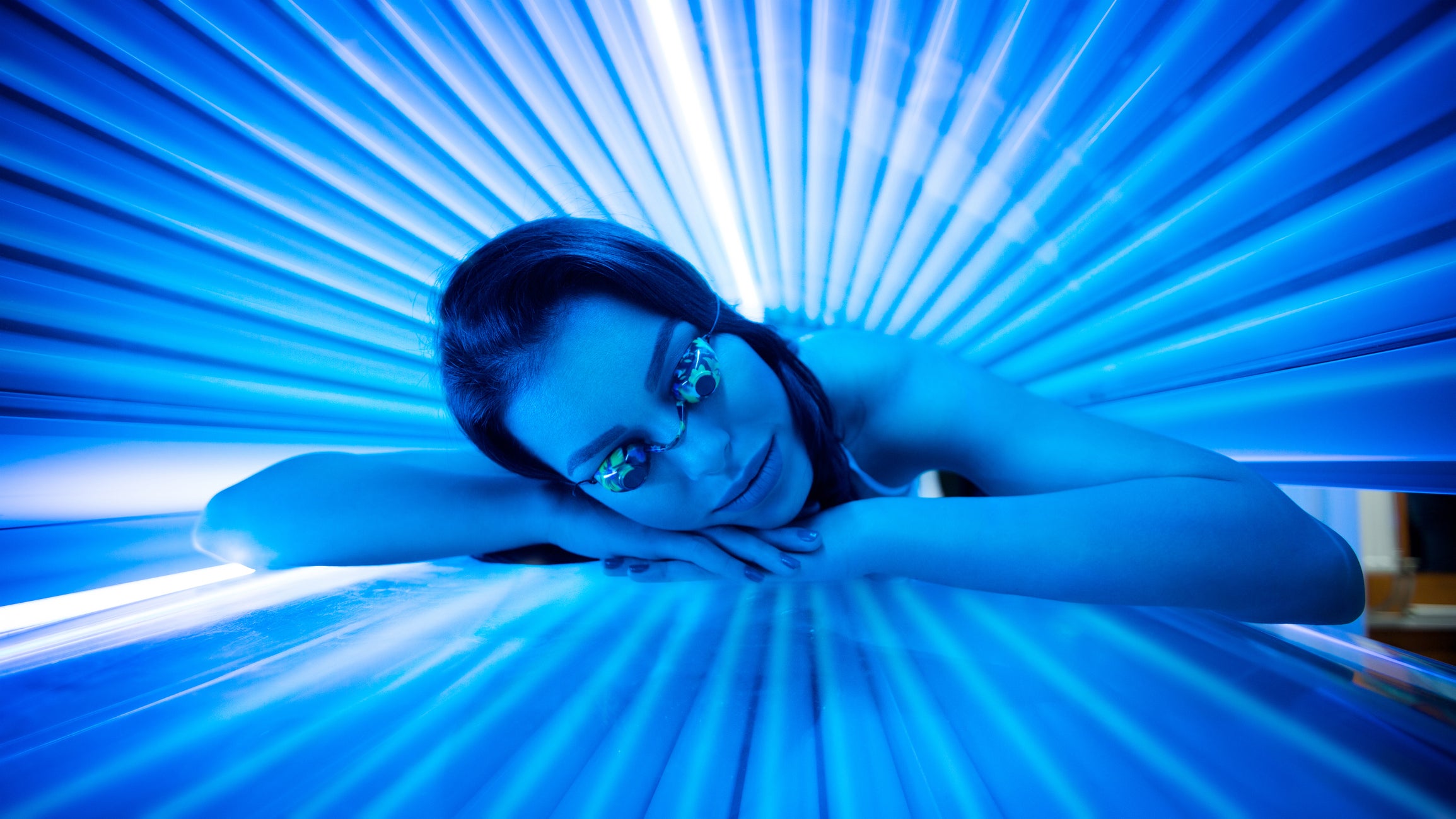
Mandatory ID checks are set to be introduced in sunbed shops across the UK, as part of a government crackdown aimed at protecting young people from skin cancer.
Ministers stated "stronger protections" are needed to ensure people "understand risks that could have deadly consequences."
The measures will target businesses selling sunbed sessions to under-18s.
Proposals include banning unsupervised sessions and implementing mandatory ID checks to ensure users are over 18. While it is illegal for under-18s to use sunbeds in the UK, the Department of Health and Social Care reports children as young as 14 are still gaining access.
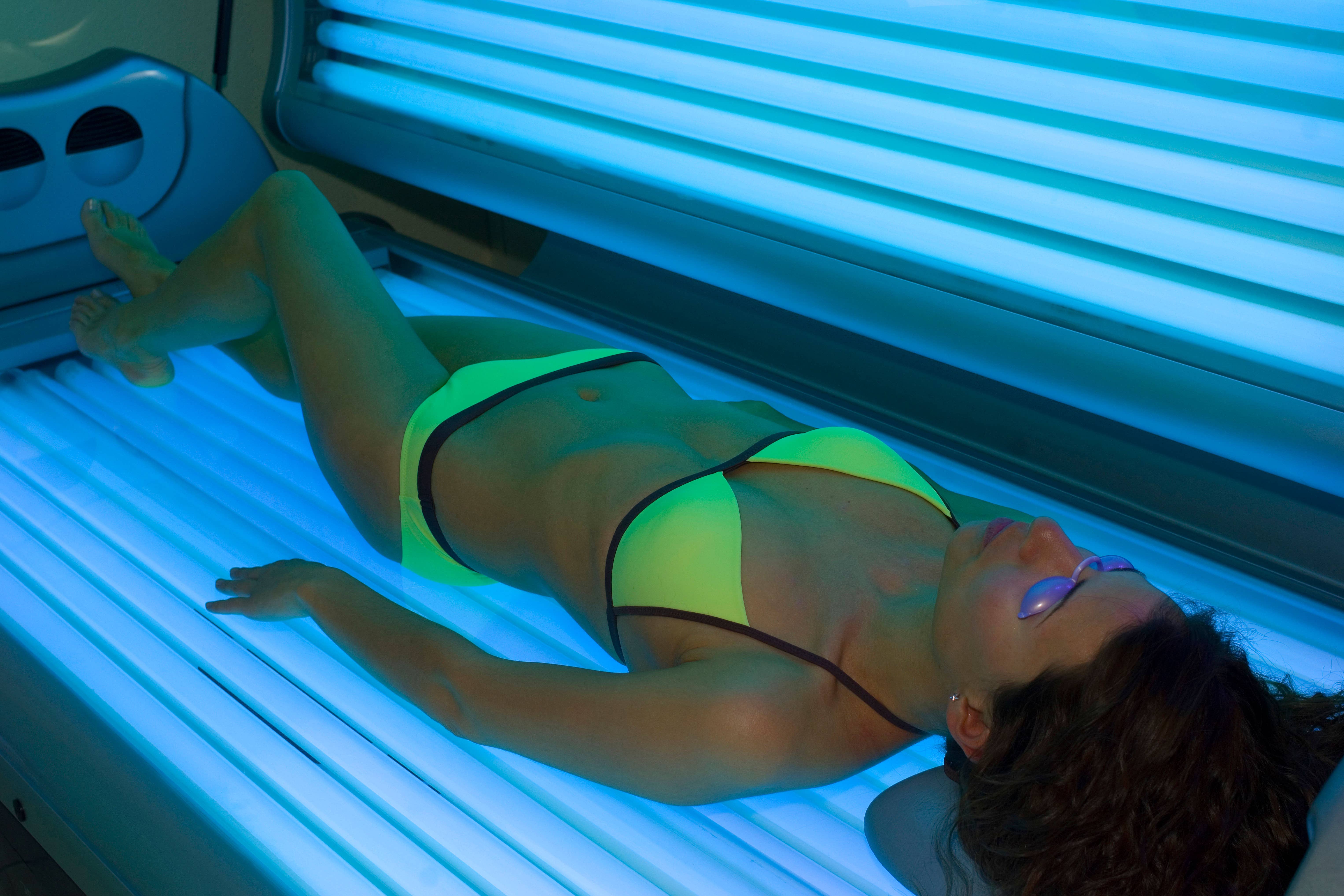
The World Health Organisation classes sunbeds as a group 1 carcinogen, the same as tobacco.
In 2009, a ruling from the International Agency for Research on Cancer said exposure to ultraviolet radiation from sunbeds was carcinogenic, leading to melanoma, the deadliest form of skin cancer, and other skin cancers.
Health minister Karin Smyth said: “Stronger protections on sunbeds are needed so people understand risks that could have deadly consequences.
“The evidence is clear: there is no safe level of sunbed use, yet too many young people are being exposed to a known carcinogen with little understanding of the risks.
“These proposals will crack down on rogue operators and ensure the law is properly enforced. Prevention saves lives, and we will do everything we can to protect people from avoidable cancers.”
The plans, which form part of the Government’s upcoming National Cancer Plan, will be consulted on from spring 2026 and could come into force from 2027.
The consultation process will also seek views from businesses in the tanning industry to explore the costs of new requirements and to ensure they are enforceable and will improve public safety.
Elsewhere, another call for evidence will be launched to understand if further action to reduce cases of skin cancer is justified.
Figures from Cancer Research UK show there are 17,600 new cases of melanoma skin cancer every year, with about 2,500 deaths.
Professor Meghana Pandit, national medical director at NHS England, said: “A sunbed tan might only last a few weeks, but the damage can last a lifetime.
“Sunbeds blast your skin with high levels of UV radiation raising the risk of melanoma and other skin cancers, particularly for young people.”
Louise Dodds, from Bexley in Kent, is living with melanoma.
She said: “My melanoma was found completely by chance during a private consultation for something unrelated, a mole that had become dark and itchy was removed quickly and, within a week, I was told it was stage 1B melanoma.
“Hearing the word cancer sent me into shock. I was rushed back into the NHS system for more surgery and lymph node tests, all within weeks. The procedures and the waits for results were brutal.
“Although some results were clear, others were inconclusive, leaving me living with constant uncertainty. If I’d known earlier how dangerous UV exposure and sunbeds were, I would never have taken the risk.”
Susanna Daniels, chief executive of Melanoma Focus, said: “The need for action is clear, with 34 per cent of UK 16-17 year olds using sunbeds despite them being illegal for under 18s.
“Additionally, the rates of melanoma in the UK have risen considerably.
“To protect your skin and reduce your chances of being diagnosed with melanoma or other skin cancers, we strongly advise against using sunbeds. Melanoma skin cancer is the fifth most common cancer in the UK.
“The time to act is now and we therefore support the action the Department of Health and Social Care is proposing.”
Join our commenting forum
Join thought-provoking conversations, follow other Independent readers and see their replies
Comments
Bookmark popover
Removed from bookmarks