Trump’s brutal attempt at a new world order shows cooperation is more important than ever
Massive cuts to aid have rocked the world of international development, writes Tabitha Ha. As the future of global health hangs in the balance, community voices must be front and centre
With norm-shattering events happening on an almost weekly basis, it has quickly become a cliche to say we have entered a new and uncertain global order. The current geopolitical chaos created by the US threat to seize Greenland is sadly just the latest in a year-long line of dramatic shifts in global norms, whether we want it or not.
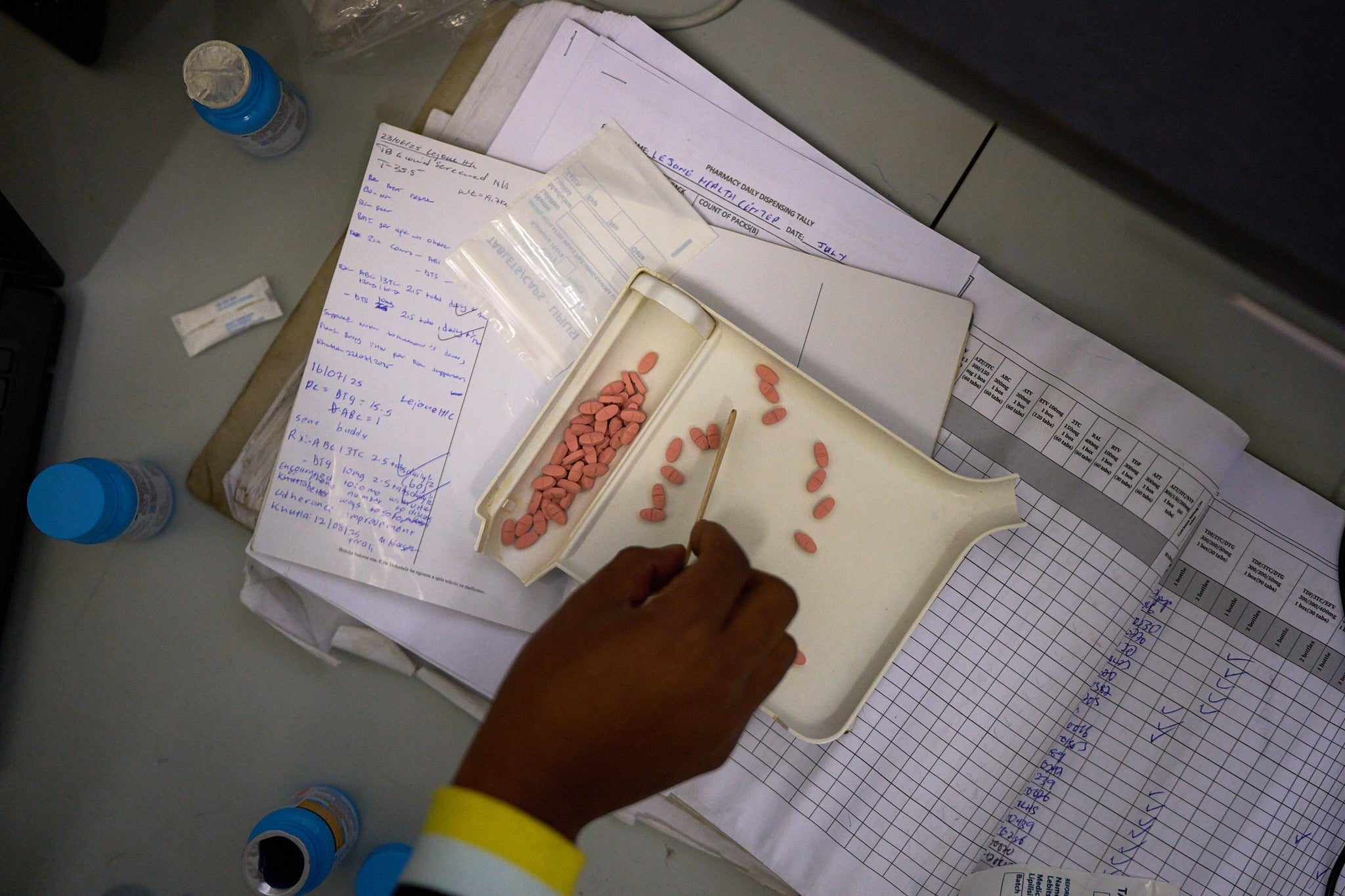
The Trump administration’s closure of the US Agency for International Development (USAID) and brutal cancellation of 83 per cent of its foreign aid programs last year shook countries in the global south. HIV testing, counselling, and crucial antiretroviral refills were abruptly halted. The ability of countries to respond to emergencies, invest in children’s education, and combat climate change was decimated.
Rather than stepping up to try to fill the massive funding gaps left by the US, our own government and some European donors made huge cuts to their own development budgets, further putting decades of progress at risk.
These substantial decreases in funding have also had profound impacts on international multilateral organisations, such as the World Health Ogranisation (WHO), Unicef, UNAIDS and the Global Fund to fight AIDS, TB and Malaria. In response, these global institutions are being forced to make deep and difficult cuts, restructure themselves, and learn how to operate in a world with increased hostility towards international cooperation.
It is a truism that out of every crisis comes the opportunity for real change, but we must ensure it is change that brings greater global equity and wellbeing. Advocates around the world have long recognised that collective action through multilateral organisations like the UN – particularly when decision-making processes are representative and inclusive – has delivered the biggest leaps in tackling global issues. The global HIV response has shown this by championing the principle of “nothing about us, without us” - ensuring that the most affected communities have a seat at all relevant decision-making tables.
To ensure that a more equitable alternative global order can maintain relevance – and address global needs with fewer resources – multilateral institutions across health and other sectors need to build and expand the way they are governed. That will ensure the meaningful participation of governments from every region, as well as philanthropy, private sector, civil society and affected communities.
There is much to play for and much to lose – as can be seen in the retrogressive US introduction of an all-male non-inclusive executive board to oversee the new "Board of Peace". Rather, we need to build consensus for global institutions by adopting more democratic and participatory approaches. This will also ensure that their work is in line with what the most affected communities need, rather than a top-down or global north-centric approach. This will ensure that more funding finds its way into the hands of the poorest and most marginalised, reversing rather than further entrenching inequality.
Instead of shrinking away from and attempting to dismantle global cooperation, governments need to invest in more collaborative partnerships that move past outdated concepts of aid. By embracing genuine cooperation, knowledge-sharing and shared responsibility between all those engaged in, or affected by, an issue, we can improve on previous forms of global cooperation.
For example, we can establish inclusive financing structures that provide global public goods across areas of common concern, such as health risks and climate instability. This approach is embodied in the concept of Global Public Investment (GPI), around which a framework for action is being developed by a coalition of governments and others this year.
As the table of the old global geopolitical order has been upturned, it is now a race to reset the places. Some of those hostile to cooperation have military power and a concentration of financial resources. But, if like-minded allies around the world can collaborate to quickly implement a shared vision for an equitable future – it just may be possible to ensure there are more seats at the table rather than less.
Tabitha Ha is director of advocacy and communications at STOPAIDS
This article has been produced as part of The Independent’s Rethinking Global Aid project
Join our commenting forum
Join thought-provoking conversations, follow other Independent readers and see their replies
Comments
Bookmark popover
Removed from bookmarks