Weight loss jabs encourage shoppers to swap meals for snacks
More than 1.5 million people are thought to be using weight loss drugs in the UK
Full meals are being swapped for grazing, according to a new study - with the rise of weight loss jabs said to be encouraging the change in eating habits.
That’s according to the Waitrose annual Food & Drink report that found 57 per cent of their customers have been opting for “snacky foods” over full meals.
The supermarket said the shift is being driven by various factors, including a reduction in appetite as a result of GLP-1 drugs, such as Wegovy and Mounjaro.
Customers also just had a preference for less formal dining, while others simply wanted to cut back, according to those questioned in the report.
Emilie Wolfman, Waitrose trend innovation manager said: "The whole snacking scene is transforming. It’s still driven by the need for convenience to fit our busy modern lives, but now we're seeing huge demand for 'snacks with benefits' and ‘natural indulgence’. People want their snacks to be nutrient-dense, often high in protein, and with fewer additives, but more complex flavours.”
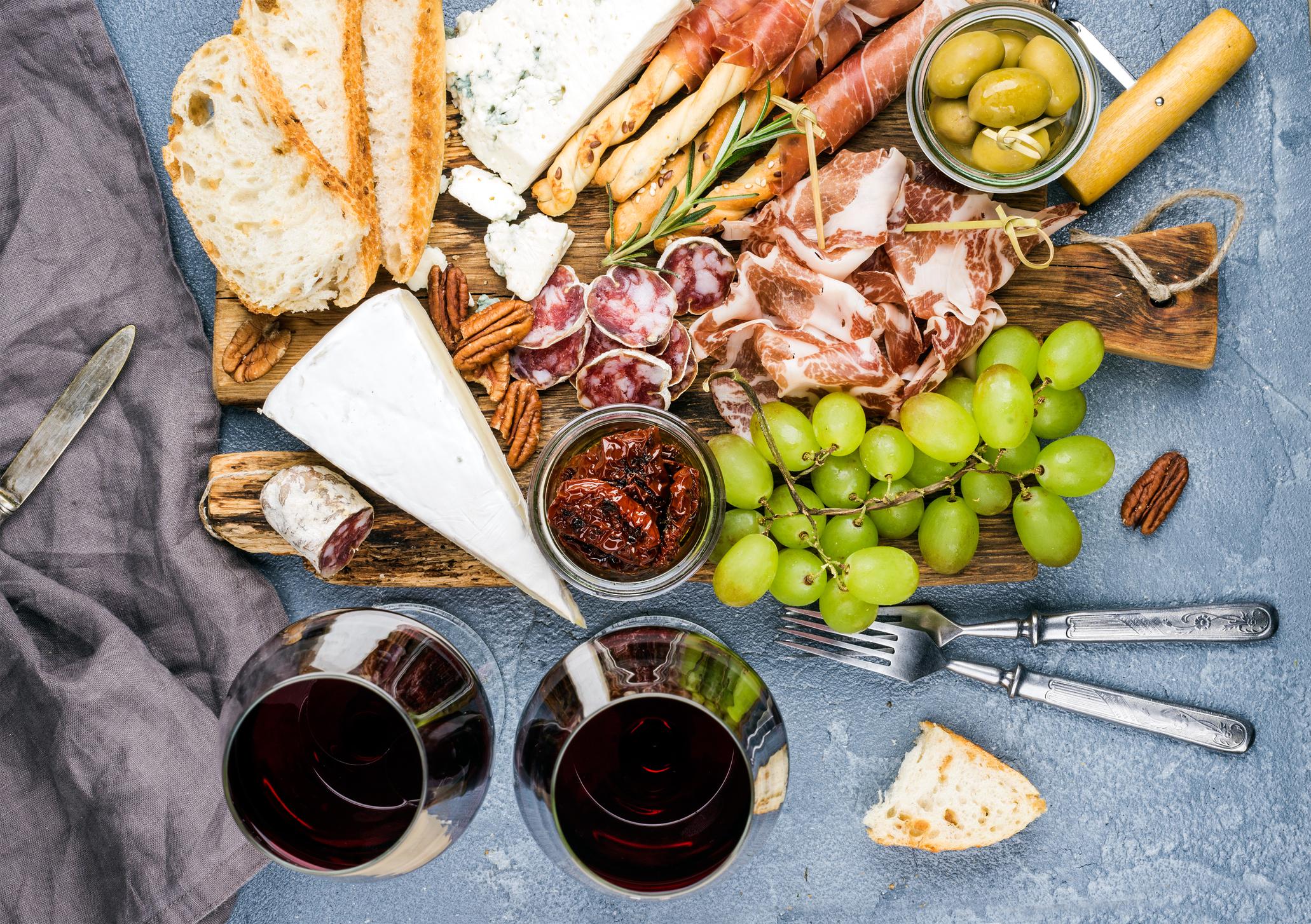
The survey of almost 4,400 Waitrose customers found more than a third of customers admitted they couldn’t be bothered to cook or don’t always feel hungry enough for a full meal.
Around half of those surveyed no longer eat midweek meals around the table and opt for dinner on the sofa or stood up in the kitchen.
In the UK, more than 1.5 million people are thought to be using weight loss drugs.
Weight-loss injections, also known as GLP-1 receptor agonists, work by mimicking the natural hormone which regulates blood sugar, appetite and digestion.
They can be prescribed to lower blood sugar in people living with type 2 diabetes, but can also help people to lose weight.
The drugs are said to reduce food cravings and slow down how quickly food is digested.
This can reduce the rate glucose is absorbed into the bloodstream. As a result, it makes those who take it feel fuller for longer, eat less and lose weight.
But it’s not just a change in appetite, the type of snacks people want are also changing, opting for nutrient dense food.
The report said: “Where snacks were once a packet of crisps or a chocolate treat with a cuppa, we are now demanding them with added benefits - nutrient dense, high in protein, and with fewer additives.”
Join our commenting forum
Join thought-provoking conversations, follow other Independent readers and see their replies
Comments
Bookmark popover
Removed from bookmarks