Weight loss drugs like Ozempic have ‘little’ effect on obesity-linked cancers, researchers find
Some of the nation’s leading cancers are linked to obesity
Weight-loss drugs have “little or no effect” on reducing the risk of cancers related to obesity, according to a new study.
More than 100 million Americans are living with obesity, and deaths from 13 types of cancers related to the condition have tripled over the past two decades.
Earlier studies have suggested a link between popular weight loss drugs like Ozempic and Zepbound and reduced risk of some cancers.
But a new analysis of 94,245 patients with Type 2 diabetes, and who were overweight or obese and taking weight-loss drugs, shows that’s likely not the case.
The doctors found that GLP-1 class weight loss drugs have little or no effect on the risk of developing breast, kidney, thyroid and pancreatic cancers, they confirmed with “moderate certainty.”

There were similar findings for liver, gallbladder, colorectal, ovarian, endometrial, esophageal cancers, the braining lining tumor, meningioma, and the blood cell cancer, multiple myeloma, the doctors said, but with “low certainty.”
The effect on gastric cancer is very uncertain, the doctors added.
“It’s not that GLP-1 does not reduce the risk of cancer; I don’t think we can make that conclusion from our study,” Dr. Cho-Han Chiang, an internal medicine resident at Mount Auburn Hospital and an author of the study, told NBC News. “I would say GLP-1 [drugs] probably do not increase the risk of cancer. It’s a little different.”
Weight loss drugs have been successful in helping people shed pounds, improve their heart health and reduce harmful inflammation that can lead to disease. Obesity, poor heart health and inflammation are all risk factors for obesity-related cancers.
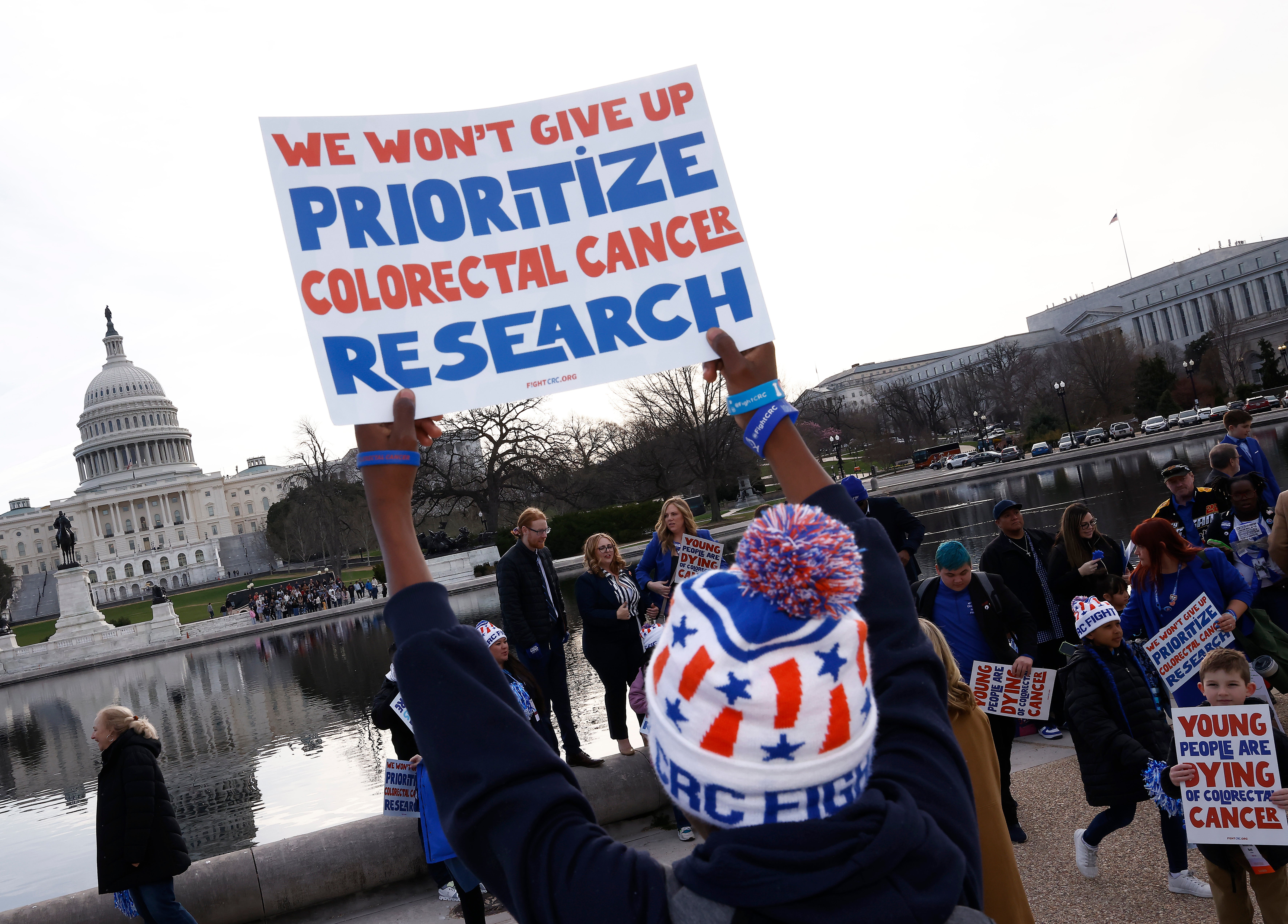
A University of California San Diego study, published in November, found that colon cancer patients taking GLP-1 drugs were half as likely to die within five years compared to those who were not taking the drugs.
Separate studies, published over the last year, found using the drugs were tied to lower risks of obesity-related cancers, ovarian cancer and lung cancer.
“Some of these cancers appear to be hormonally driven,” Dr. Michael Choti, chief of surgery at Banner MD Anderson Cancer Center who was not part of the research group, told Banner Health. “It may be that GLP-1s help improve metabolism and reduce inflammation, which could play a role. But we still don’t know for sure.”
Choti also pointed out that the drugs themselves are not cancer-preventing tools.
The new analysis was of patients in 48 separate clinical trials conducted over the course of a year a half and the trials were not designed to measure cancer outcomes.
“From a cancer prevention perspective, I think more data is needed,” Chiang said.
Join our commenting forum
Join thought-provoking conversations, follow other Independent readers and see their replies
Comments
Bookmark popover
Removed from bookmarks