How weight-loss jabs are changing the way we spend money
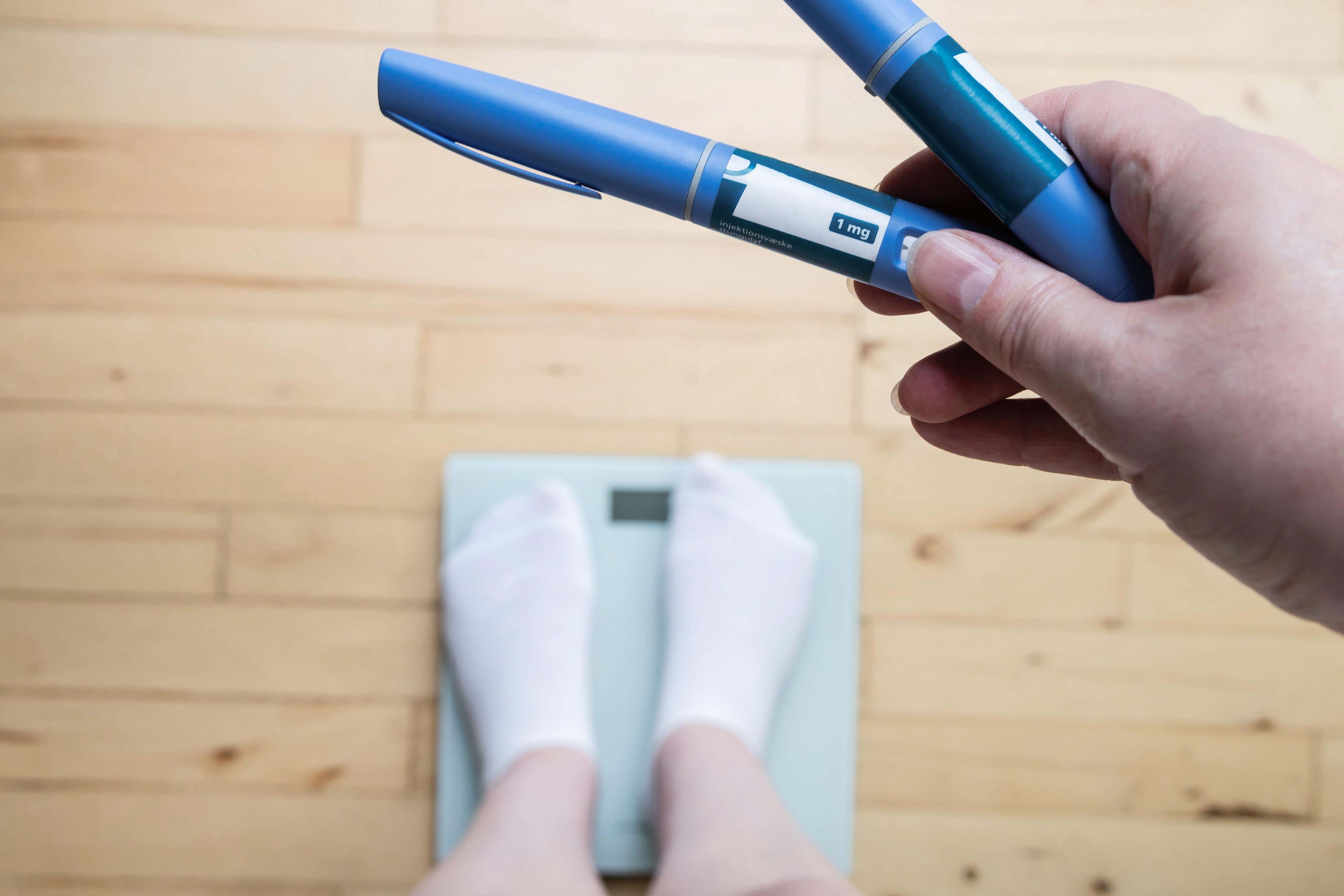
Around 2.5 million people are currently estimated to be on weight-loss medications in the UK
Weight-loss jabs are not only transforming people’s bodies but also people’s spending habits.
Around 2.5 million people are currently estimated to be on the medications in the UK.
The drugs, such as semaglutide – marketed under names such as Wegovy, Ozempic and Rybelsus – and tirzepatide, marketed under the name Mounjaro, work by mimicking the natural hormone which regulates blood sugar, appetite and digestion.
Those who buy the injections, also known as GLP-1 receptor agonists, privately can end up spending hundreds of pounds a month for years.
But with the drugs only set to increase in popularity, below, we take a look at the new trends that are emerging, and how businesses are adapting to a new kind of consumer.
New portion-controlled, nutrient-rich food
There is a growing trend among major retailers to introduce new ranges specifically catering to consumers using weight-loss jabs.
Online supermarket Ocado has started a new “weight management” range, which includes “GLP-1-friendly products” that are portion-controlled and nutrient-rich, such as a tiny steak and “powdered greens” supplement.
Marks & Spencer and Greggs have already launched ranges of products aimed at people on the drugs. The Co-op is also selling “mini meals” – 250g to 280g pots “inspired by global cuisines”.
Decrease in dining out and takeaways
A Morgan Stanley survey last year found that 63 per cent of Ozempic users were spending less when they dined out in the US – not because they were broke but because they could not stomach the same multi-course meals they once did.
Nima Safaei, the owner of 64 Old Compton Street, 40 Dean Street and the upcoming 27 Old Compton Street, has noticed a marked change in customer behaviour.
“More customers are coming in just for drinks or ordering a couple of starters to share, and we’re seeing fewer three-course meals,” he explained. “Sometimes we do wonder why people come in if they’re not particularly hungry, but we understand that it’s about the social experience and enjoying an evening with friends.”
This has sparked the rise of ‘Mounjaro menus’, with some high-end restaurants adjusting menus, introducing half-portions, smaller plates, more nutrient-dense options and “luxury bites” such as canapes, caviar and oysters, which cater to diners who want quality but not quantity.
People on the jabs have also reported reducing the number of takeaways they get, or stopping ordering them entirely.
Increase in sobriety
It is not just the food orders that are shrinking – so are the drink bills. Many weight-loss jab users report reduced cravings for alcohol, a side effect that is beginning to show up in restaurants and bars.
Mr Safaei has noticed this too. “Some guests are drinking less overall, skipping pre-dinner cocktails or opting for lighter options like spritzes or lower-ABV wines,” he said. “That said, people still want to enjoy themselves, and the social aspect of having a drink with friends hasn’t disappeared – it’s just evolving.”
For restaurants, this is more concerning than a few hardly touched mains. Alcohol sales are one of the biggest money-makers, often propping up the slim profit margins on food. Toby Clark, EMEA VP of consulting at Morgan Stanley, warned that this could be one of the most significant industry shifts. “It feels as if GLP-1 could be a real threat to the sector, especially given the extensive reports of users reducing alcohol intake. Alcohol is a key driver of profitability in many restaurants, so there’s a potential double-whammy of reduced income from food and from drinks revenue.”
With fewer people drinking and fewer ordering full meals, restaurants are looking at a problem they cannot simply fix with a new tasting menu.
Fashion industry positively impacted
While the food sector is struggling, the fashion industry looks set to benefit from the increasing use of weight-loss jabs.
As people lose weight, they will need to buy more clothes, either new or on secondhand platforms, and they may also sell their old garments on those sites.
A Savile Row boss said the boom in the use of weight-loss drugs is having “massive repercussions” for the tailoring industry.
Sean Dixon, co-founder of tailor Richard James, said its cutters were having to make big adjustments or remake suits entirely because of some customers’ rapid weight loss.
And beauty, health and fitness sectors also benefit
Recent academic studies have highlighted the necessity of exercise and dietary support for individuals using these drugs. Research from the University of Oxford indicated that those on fat-loss jabs require continuous assistance to prevent weight regain. Separately, findings from University College London (UCL) and the University of Cambridge suggested that users of these medications could be susceptible to muscle loss.
The chief executive of a national gym chain revealed that the rise of weight-loss medications is driving increased demand across its fitness centres. Will Orr, who heads low-cost gym chain The Gym Group, said the company was "absolutely" observing the impact of GLP-1s as a "tailwind and contributory factor" for its business.
Meanwhile, doctors have previously warned about “Ozempic face”, a possible side effect of using the drugs both as a weight-loss method and without the proper medical supervision, as users have shared their experiences with accelerated ageing.
As for whether the side effect can be reversed, dermatologists said the only way to do so in a non-invasive way is to inject fillers, which can cost thousands.
Join our commenting forum
Join thought-provoking conversations, follow other Independent readers and see their replies
Comments
Bookmark popover
Removed from bookmarks