Villagers return to abandoned Himalayan homes after 60 years
The village of Martoli, in Uttarakhan’s Johar Valley, was left in ruins after conflict in the 60s
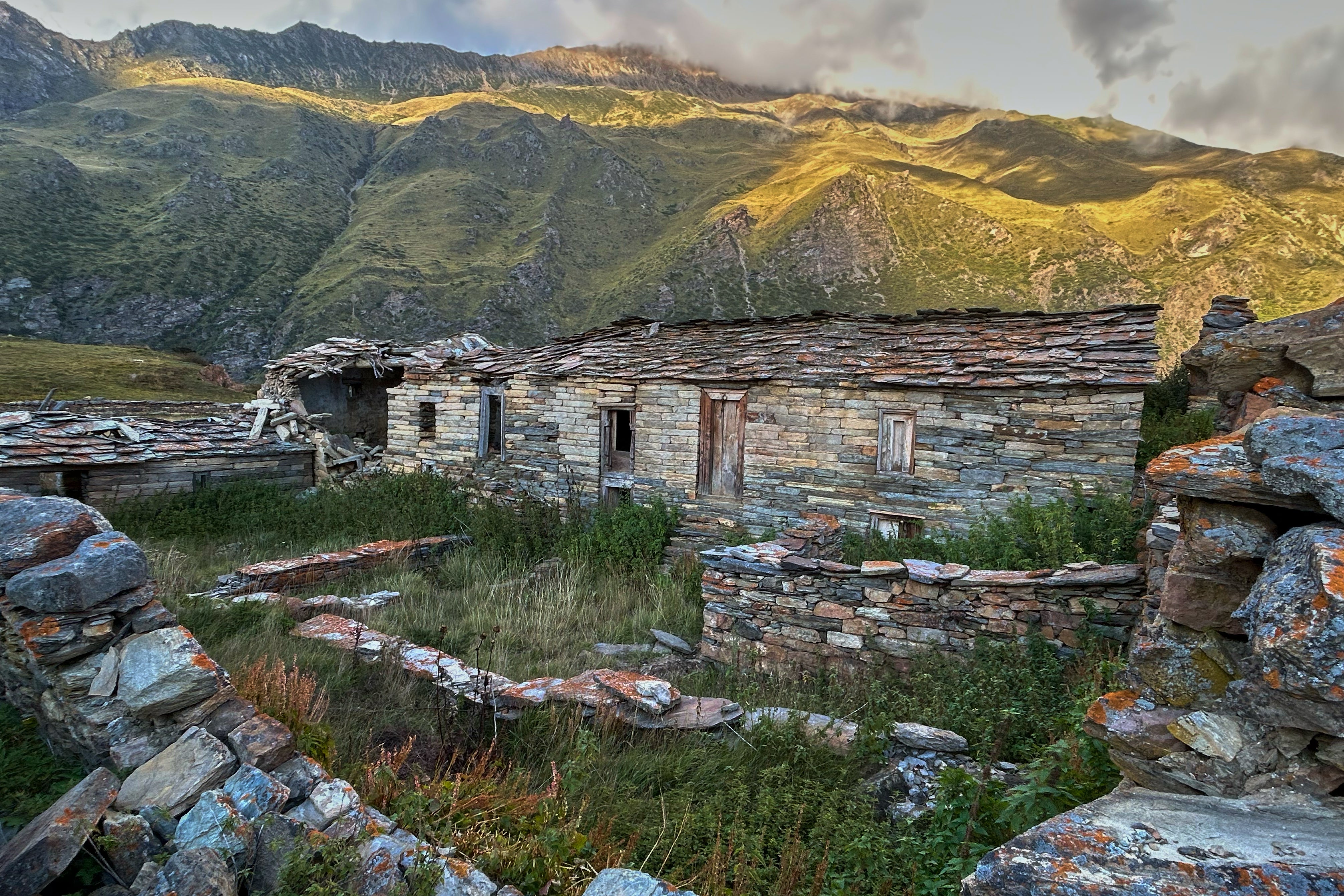
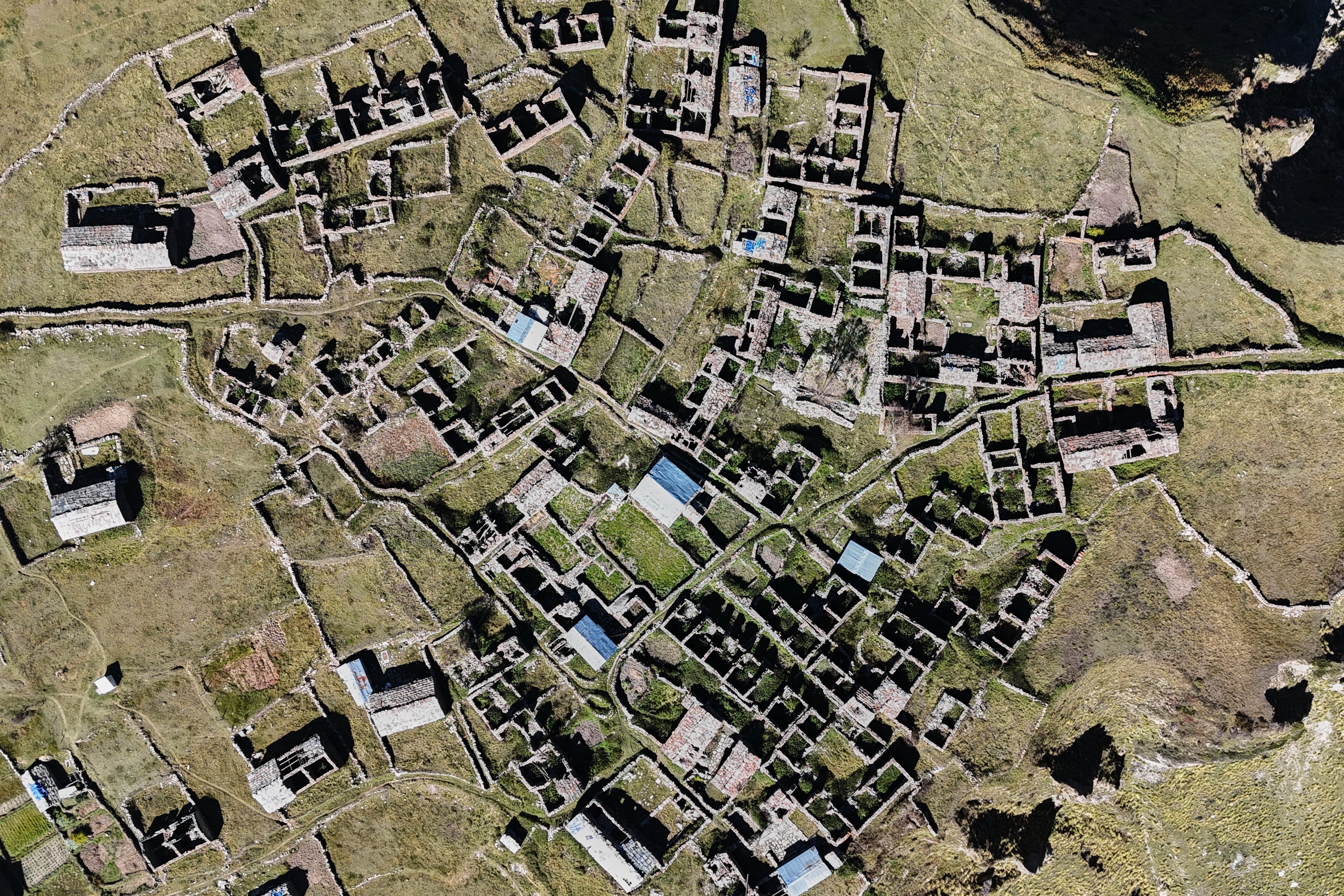
The once-bustling border village of Martoli, nestled within Uttarakhand's Johar Valley, now stands largely in ruins, its stone buildings a stark reminder of a bygone era.
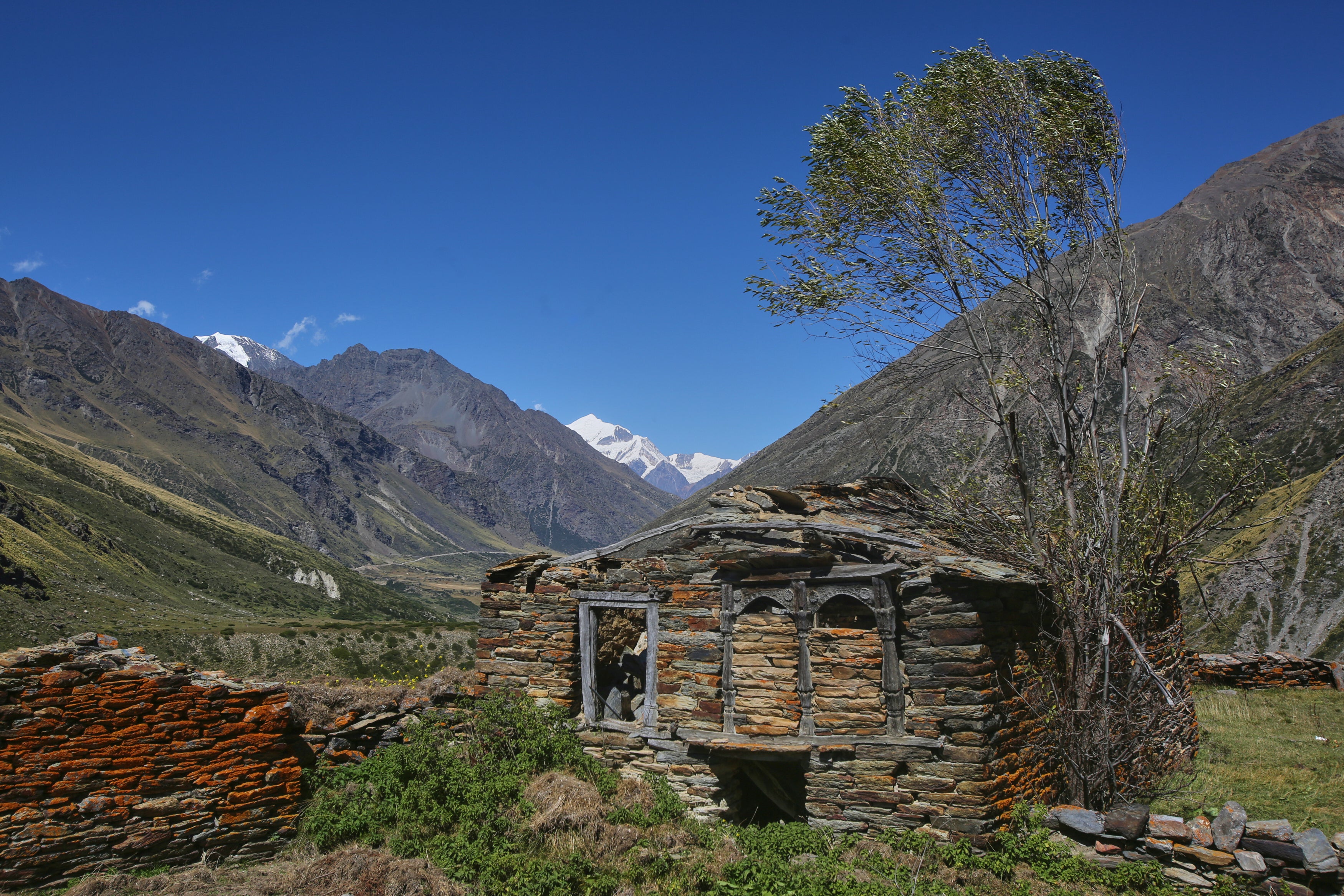
Surrounded by the majestic Himalayan peaks, including Nanda Devi, once considered the world's tallest, this northern Indian settlement thrived on cross-border trade.
Historically, Martoli exchanged sugar, lentils, spices, and cloth for salt and wool with Tibetan communities.
Its nomadic inhabitants would spend winters in the plains, gathering goods for their summer expeditions across the border.
However, this vibrant way of life was abruptly halted in 1962 when an armed conflict between India and China led to the sealing of the border, devastating the high-altitude villages and offering little reason for their residents to return.
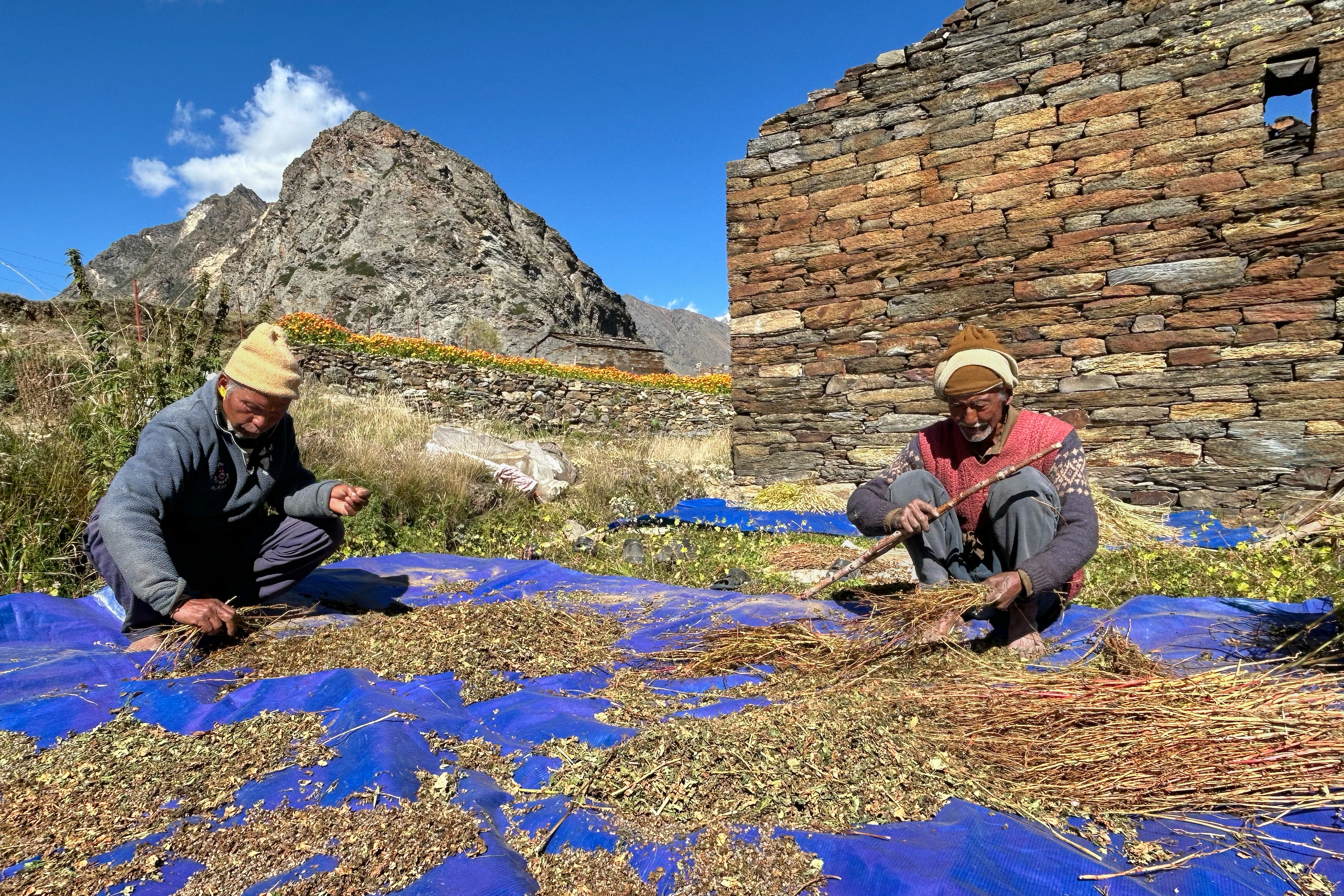
Kishan Singh, who was 14 when he left with his family to settle in the lower village of Thal, still returns to Martoli every summer to till the land and grow buckwheat, strawberries and black cumin.
At 77, he has a smiling, ruddy face.
His ancestral home has no roof, so he sleeps in a neighbour’s abandoned home for the six months he spends in this village cooking for himself and farming.
“I enjoy being in the mountains and the land here is very fertile,” he says.
In late autumn, he hires mules to transport his harvest to his home in the plains to sell it at a modest profit.
The largest of the Johar Valley villages had about 1,500 people at its peak in the early 1960s.
Martoli had about 500 people then, while some of the dozen or so others had 10 to 15 homes each.
About three or four people return to Martoli each summer now.
A few villagers are returning in summers to the nearby villages of Laspa, Ghanghar and Rilkot as they can now travel in vehicles to within a few kilometers (miles) of their villages on a recently built unpaved road.
Among the scattered remnants of earlier stone homes in Martoli, a new guesthouse has sprung up to cater to a few trekkers who walk past the village en route to the Nanda Devi base camp.
Bookmark popover
Removed from bookmarks