Why Israel clock marking time since October 7 attack is finally set to turn off
The shutdown, after 844 days, follows the discovery in Gaza of the body of the last remaining Israeli hostage
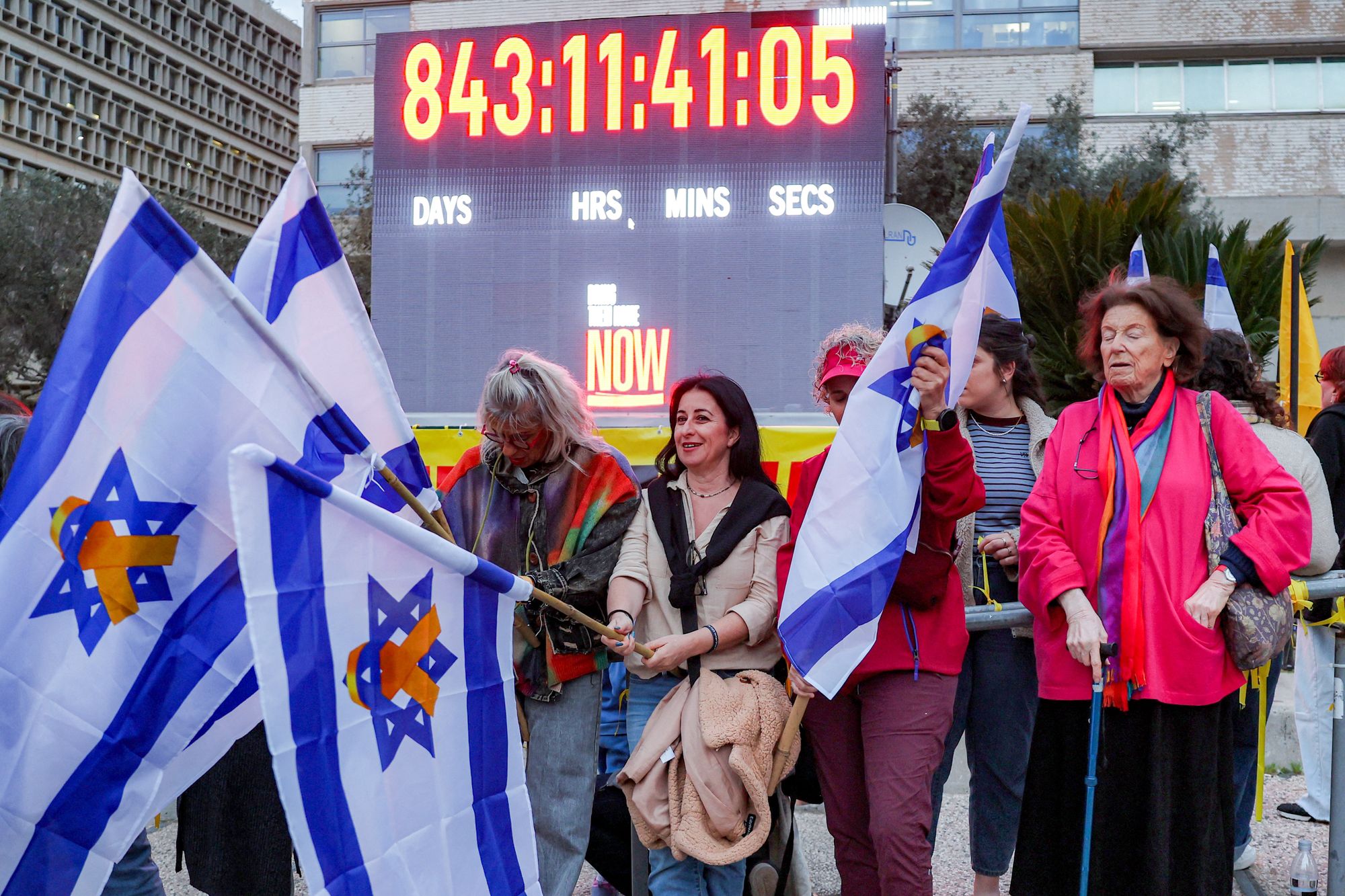
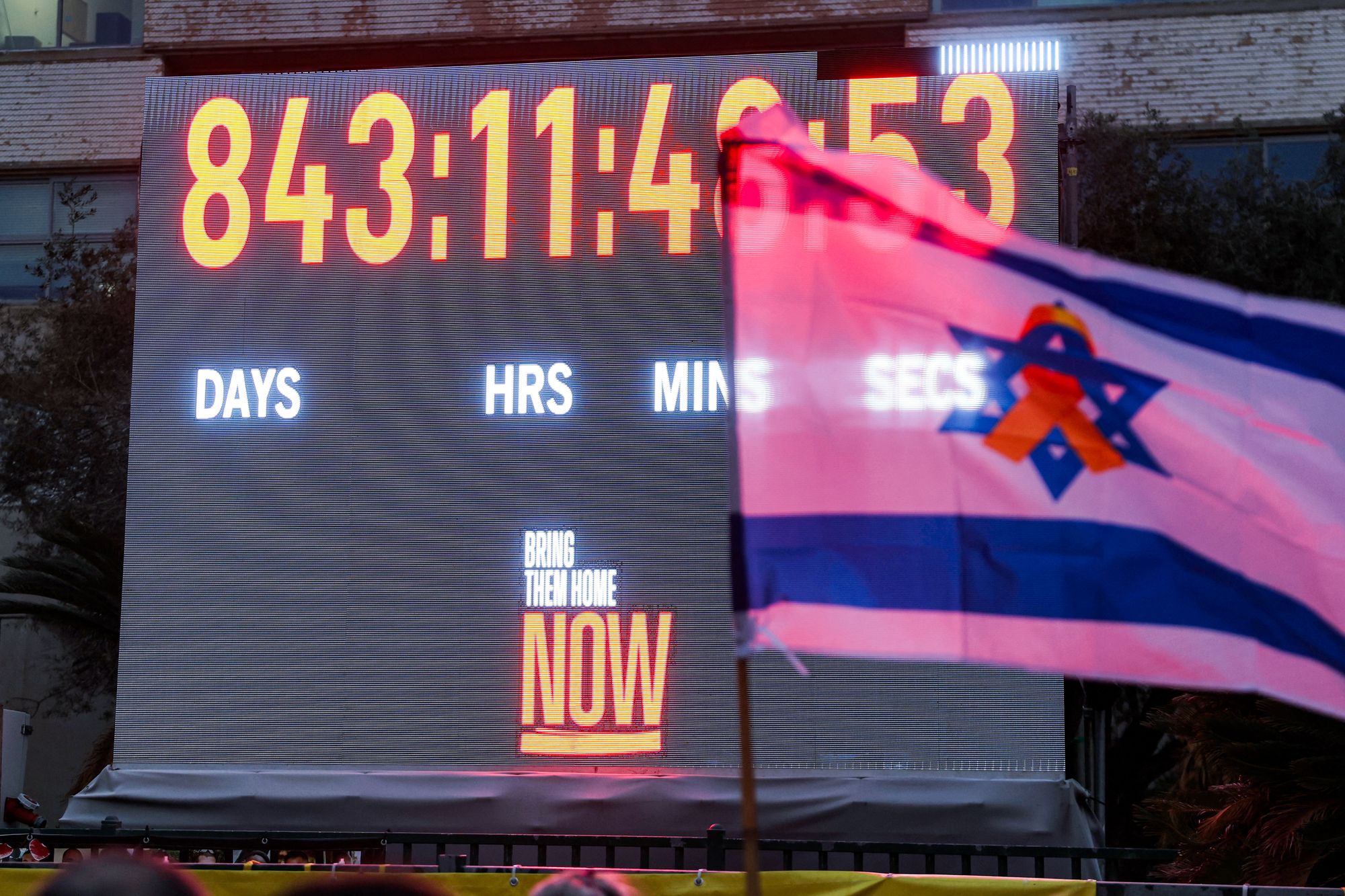
A clock in a Tel Aviv square, which has served as a poignant rallying point for Israelis demanding the release of hostages taken during the October 2023 Hamas attack, is scheduled to be switched off on Tuesday.
The cessation of its count comes 844 days after it began tracking their captivity.
This symbolic shutdown follows the discovery in Gaza of the body of the last remaining hostage, Ran Gvili, which was announced by the Israeli military on Monday. Mr Gvili, 24, an off-duty police officer recovering from an injury, was killed fighting militants who had infiltrated Israel during the 2023 attack.
Speaking to reporters late on Monday, after her son's body was recovered, his mother, Talik, expressed gratitude to those who had supported the family over the 27 months since the attack. "We have a closure. Rani returned home an Israeli hero, really, an Israeli hero and we're the most proud of him in the world," she stated.
Moment of national healing
In Israel, the return of the last hostage has been anticipated as a moment of national healing. The Hamas attack, the bloodiest killing of Jews since the Holocaust, was widely seen as the most traumatic event in the country's history.
It also completes a core aspect of the initial phase of President Donald Trump's plan to end the war. The second stage, which Washington announced had started earlier this month, includes the reopening of Gaza's Rafah border with Egypt.
Nour Daher, a 31-year-old Palestinian in Gaza, said that he was waiting for the border to reopen so he could seek medical treatment for a heart defect outside of the war-torn territory.
"I have the medical referral papers. I registered with the WHO (World Health Organization). Now I’m waiting for my name to appear on their lists,” he said. “Last time I checked, they told me they were waiting for a country willing to take my case.”
"I am hopeful my problem will finally end," said Daher, describing near-daily bouts of severe palpitations.
Speaking next to his son's bed at Nasser Hospital in Khan Younis in the southern Gaza Strip, Yehia Rasras said even basic medication was unavailable at Gaza hospitals. His son, Ahmed, was shot earlier this month. The bullet has settled in his head and he remains in critical condition.
"I wish for my son to receive treatment abroad so that he can recover, receive proper care, and return better than before. This is all I wish for my son," Rasras, 50, told Reuters.
The Gaza health ministry said at least 20,000 patients and injured Palestinians required medication outside Gaza.
Families to gather for Tel Aviv ceremony
Since October 7, 2023, when Hamas launched its attacks, thousands of Israelis had gathered almost every week in Tel Aviv at a place that came to be known as Hostages Square, calling for the release of all of the hostages in captivity.
Ran Gvili's sister, Shira, along with former hostages and family members, is due to take part in a public ceremony at the Tel Aviv square on Tuesday as the clock is turned off, The Hostages and Families Forum, which rallied public support for those taken on October 7 and their families, said.
Gvili was shot while defending Kibbutz Alumim, a community in Israel's south near the border with Gaza. He was taken to Gaza by militants from another Palestinian militant group that joined the Hamas attack, Islamic Jihad, according to Israeli officials.
Handing over all the remaining living and dead hostages was a core commitment of the first phase of the deal, though other parts have not been fulfilled. It is not clear how the next stage will be implemented, which includes the reconstruction and demilitarization of Gaza. The Israeli military remains in control of 53 per cent of Gaza, with Hamas in control of the rest.
Four Israeli soldiers and over 480 Palestinians have been killed in Gaza since Israel and Hamas agreed to a ceasefire in October as part of the U.S. plan to end the war. Both Israel and Hamas have repeatedly accused each other of truce violations.
On Tuesday, Israeli forces killed four Palestinians in the northern Gaza Strip, according to the Al Ahli Hospital in Gaza. An Israeli military spokesperson said they were not aware of any incidents in northern Gaza on Tuesday.
Join our commenting forum
Join thought-provoking conversations, follow other Independent readers and see their replies
Comments
Bookmark popover
Removed from bookmarks