Whole new class of anti-ageing drug found to work at cell level
Findings help explain how nutrition and gut microbes influence ageing
Scientists have identified a new anti-ageing drug class that works by acting on a key gut bacteria process, an advance that may lead to ways to prolong lifespan in humans.
Researchers from Queen Mary University of London have demonstrated that the new drug prolongs lifespan in yeast by acting on a pathway, which is also active in humans.
The findings, published in the journal Communications Biology, reveal how drugs can influence lifespan through the Target of Rapamycin (TOR) pathway.
TOR is a widely researched pathway found across several species, including humans and yeast, which is a central regulator of growth and ageing and plays a key role in age-related diseases such as cancer and dementia.
It is already a major focus of anti-ageing and cancer research, with drugs like rapamycin showing promise in extending healthy lifespan in animals.
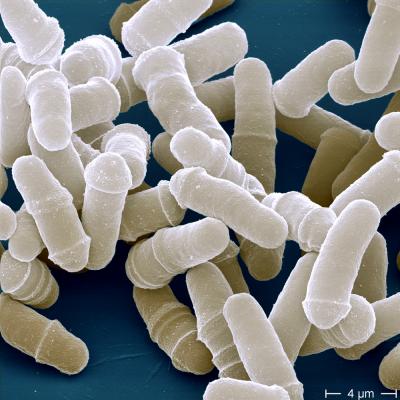
The new study tested a next-generation drug Rapalink-1, which inhibits TOR and is under investigation for its anti-cancer properties.
Researchers found that Rapalink-1 not only slowed aspects of yeast cell growth but also extended lifespan, working through the TORC1 cluster of proteins, which are part of the growth-promoting arm of the TOR pathway.
The study found a key role for a set of gut bacteria enzymes called agmatinases, which break down the metabolite agmatine and keep TOR activity in check.
Previous research has shown that when the function of these enzymes was lost, cells grow faster and age prematurely.
Studies have also shown that supplementing compounds linked to this pathway promoted longevity and benefited cells.
"By showing that agmatinases are essential for healthy ageing, we've uncovered a new layer of metabolic control over TOR – one that may be conserved in humans," said Charalampos Rallis, an author of the study.
"Because agmatine is produced by diet and gut microbes, this work may help explain how nutrition and the microbiome influence ageing,” Dr Rallis said.
While agmatine supplements are already available in stores, scientists urge caution about consuming them for growth or longevity purposes.
The new study suggests agmatine supplementation can be beneficial only when certain metabolic pathways in the body related to arginine breakdown are intact.
“In addition, agmatine does not always promote beneficial effects as it can contribute to certain pathologies,” Dr Rallis said.
However, the findings still point to new strategies for longevity that combine TOR-targeting drugs with dietary or microbial interventions, scientists say.
“Understanding how TORC1 activity is tuned may be beneficial in both normal ageing and also pathological states, as well as in cancer, where TOR plays important roles,” they wrote.
Join our commenting forum
Join thought-provoking conversations, follow other Independent readers and see their replies
Comments
Bookmark popover
Removed from bookmarks