Mystery of 12,000-year-old animal carvings found in uninhabitable desert
Researchers have discovered life-size rock carvings of camels, gazelles and other animals

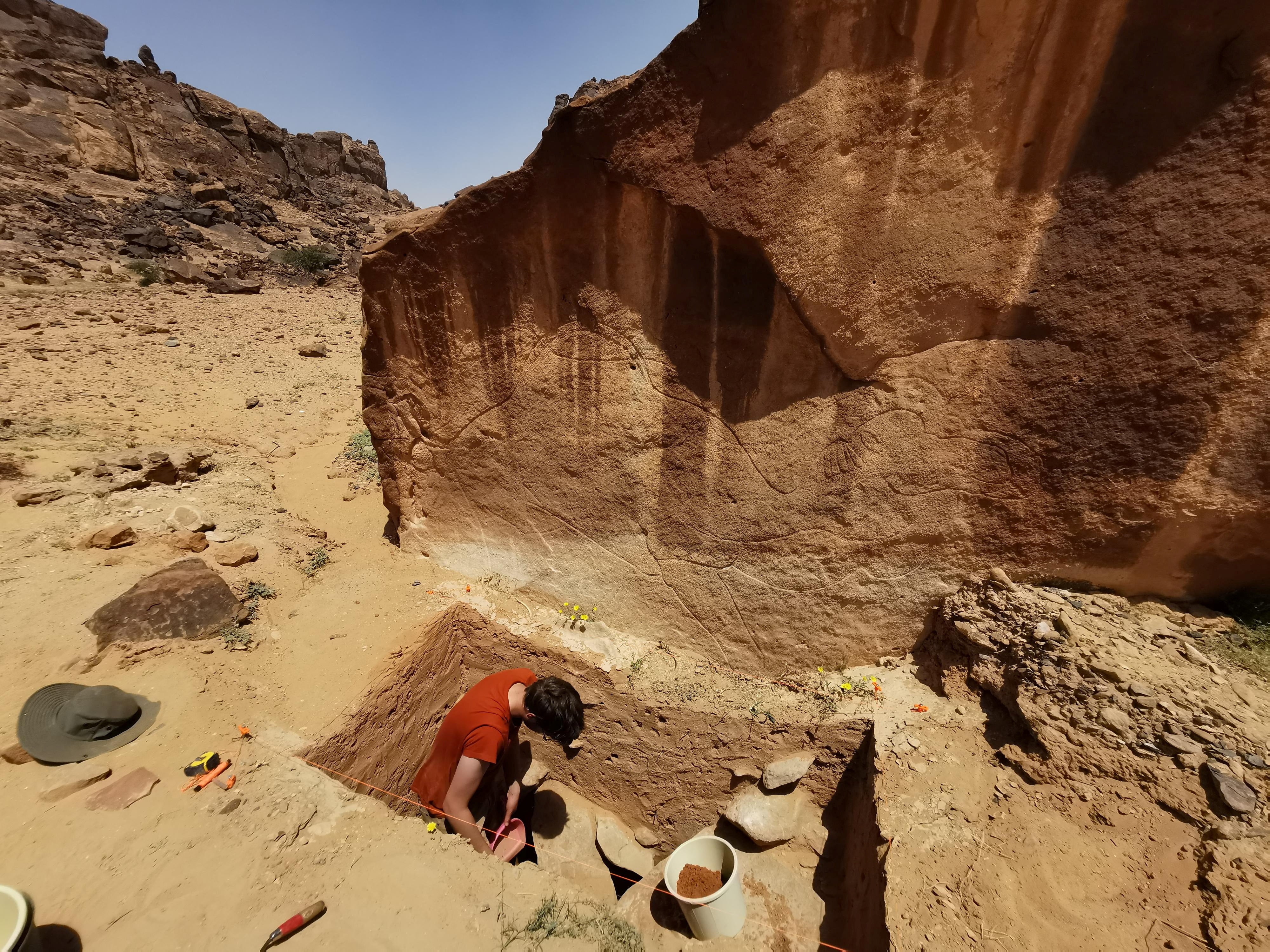
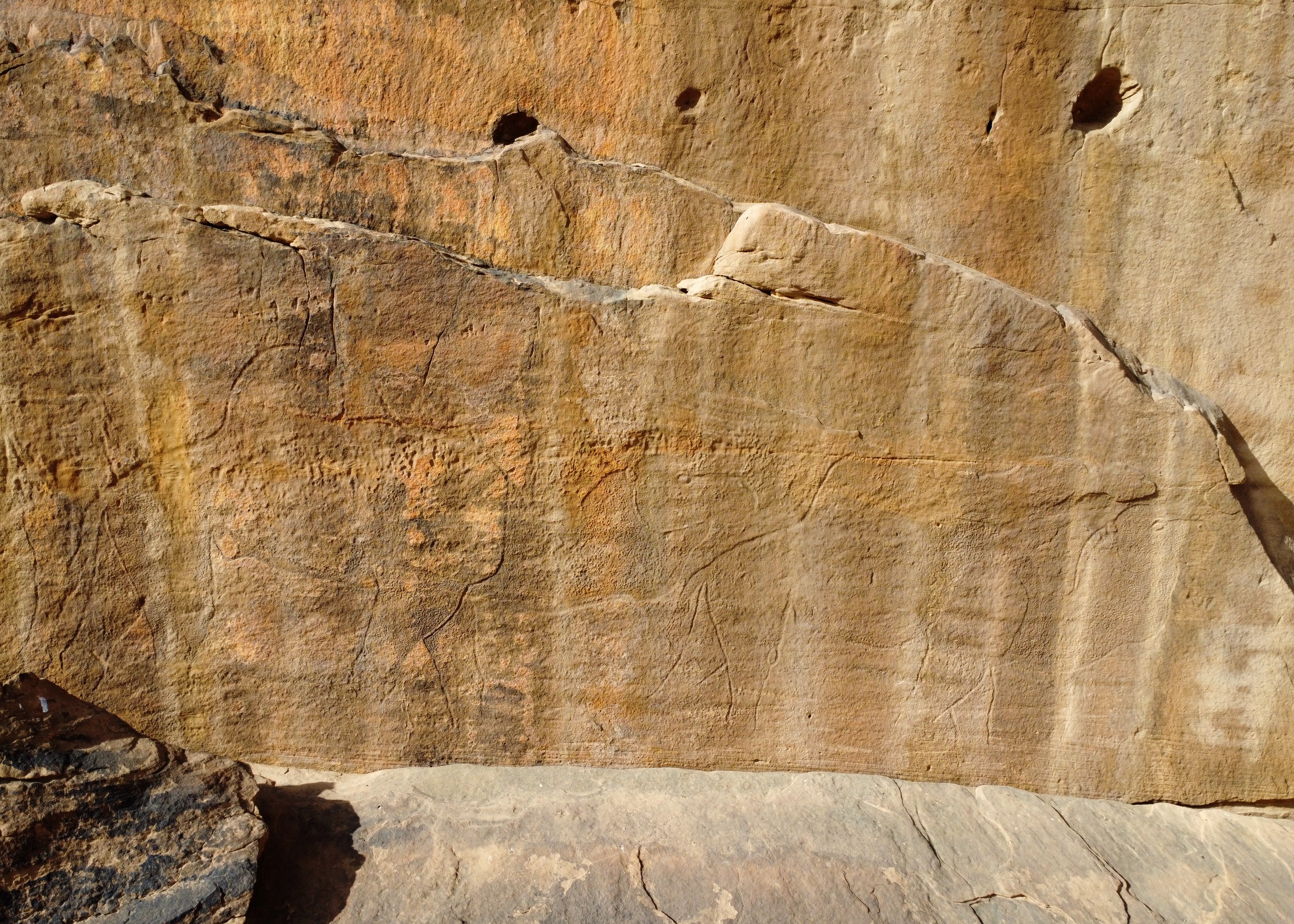
Remarkable life-size rock carvings, depicting camels, gazelles, and other animals, have been discovered in the Saudi Arabian desert, with researchers dating these ancient artworks back 12,000 years.
Many of these intricate engravings stand over 1.8 metres tall, offering a rare window into prehistoric life.
Scientists suggest the detailed lines were meticulously crafted using a wedge-shaped rock. Intriguingly, several monumental pieces were etched onto narrow ledges, posing a significant challenge for the ancient artists who would have been unable to step back and assess their work as it progressed.
"To engrave that much detail with just a rock takes real skill," commented Maria Guagnin, an archaeologist from the Max Planck Institute of Geoanthropology in Germany, who was part of the discovery team.
The presence of these animal carvings and associated engraving tools at the site suggests human habitation in the region occurred some 2,000 years earlier than previously understood.
However, the precise methods of survival in such arid conditions remain a mystery, with researchers pondering whether communities relied on shallow, seasonal lakes or water collected in deep crevices.
While rock art has been a feature of Saudi Arabia for millennia, as Guagnin noted, dating older engravings often proves challenging. This is primarily due to the absence of written elements and a scarcity of organic remnants like charcoal, which are typically crucial for laboratory analysis.
“We know relatively little about art in the Middle East during this very ancient period of the human past,” Michael Harrower, a Johns Hopkins University archaeologist who wasn't involved in the research, said in an email.
In the latest discovery, scientists found a rock pick buried in the landscape directly under the carvings, allowing them to date the tool and the art it was used to create. Their findings were published Tuesday in the journal Nature Communications.
Scientists weren't sure if people lived in the desert during this time period since conditions were dry and water was thought to be scarce. They thought people may have moved in later, when the landscape was marked by greener pastures and lakes.
One of the carvings depicted an auroch, an ancestor of wild cattle that didn't live in the desert and that went extinct. That made Guagnin wonder if the artists had encountered the animals by traveling somewhere else during the dry season.
“They must have been fully established communities that knew the landscape really well,” she said.
Join our commenting forum
Join thought-provoking conversations, follow other Independent readers and see their replies
Comments
Bookmark popover
Removed from bookmarks