Archaeologists unearth ancient Egyptian temple dedicated to sun god Ra
Lowered groundwater levels favoured excavation of temple site first identified in 1901
Archaeologists have unearthed an ancient sun god temple in Egypt, which showed signs of being modified into a residential area after a century of use.
Excavations at Abu Ghurab, about 16km (10 miles) southwest of Cairo, revealed the ancient temple for sun god Ra built around 4,500 years ago.
The location of the temple was first identified in 1901, but groundwater level was higher at the time, making excavations challenging.
Groundwater levels have lowered since, favouring excavation of nearly half the valley temple, scientists say.
The temple was found to have two parts, both positioned near the Nile River, and had a "public calendar" and a roof for astronomical observation, the Egyptian Ministry of Tourism and Antiquities observed in a statement shared on Facebook.
“This temple is one of the well-known temples of the sun in ancient Egypt until now,” according to Mohamed Ismail Khaled, the secretary general of the Supreme Council of Antiquities in Egypt.
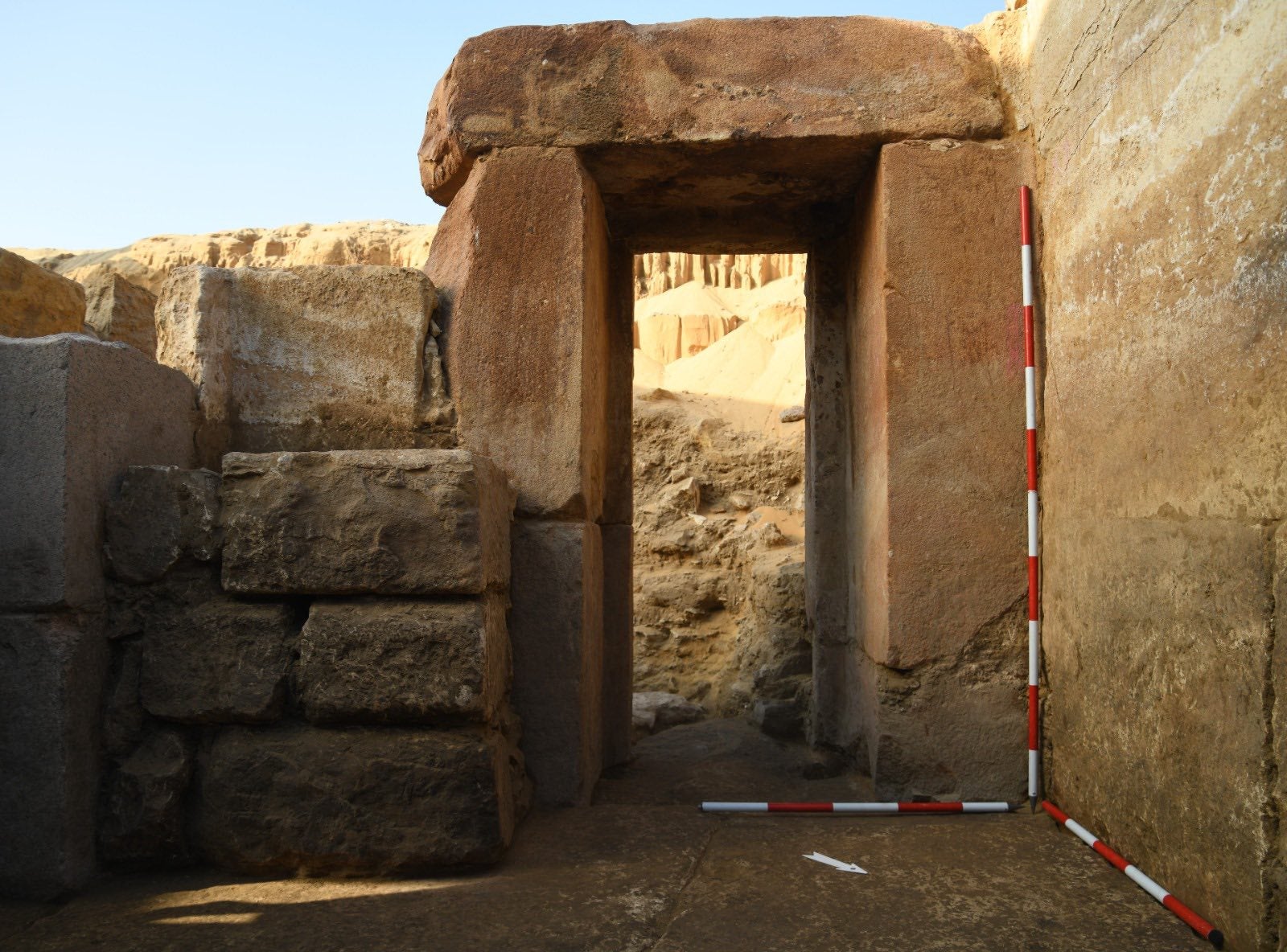
“The mission has first succeeded in uncovering more than half the temple, where a huge building exceeding 1000 square metres appeared,” Dr Khaled said.
“With a unique architectural plan, it makes it one of the largest and most prominent temples of the valley,” he said.
Preliminary studies suggest the valley temple became a residential area inhabited by locals after a century of use as a place of royal worship.
Ongoing excavations have revealed remains of a columned entrance to the temple, a public calendar of religious events carved onto blocks, and dozens of blocks with inscriptions mentioning the name of Pharaoh Niuserre, who ruled between 2420 BC and 2389 BC as the one who built the temple.
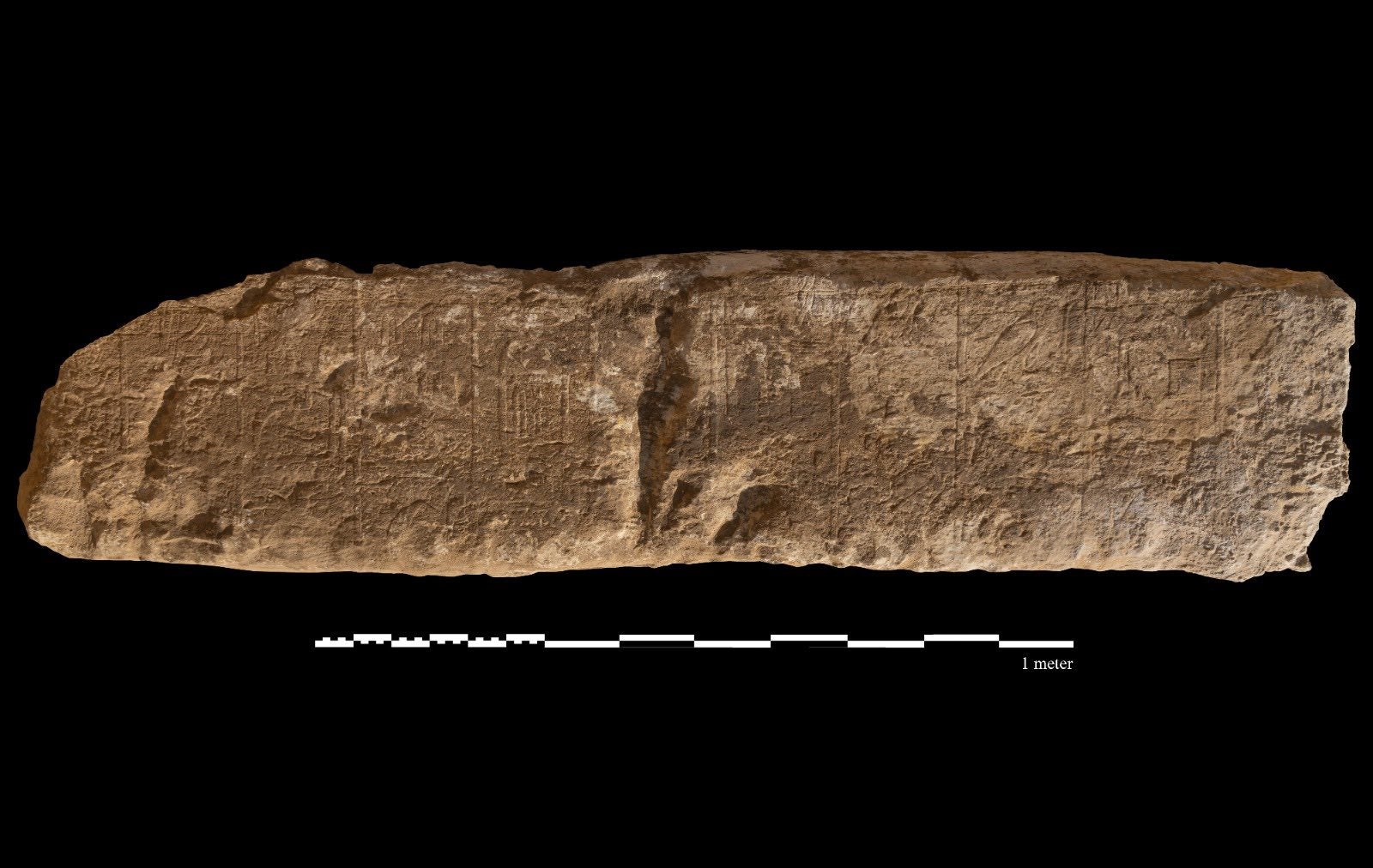
Religious events mentioned in the inscriptions include feasts honouring Sokar, a falcon-headed god associated with the Egyptian city of Memphis, festival of the god Min, associated with fertility, and a procession of Ra.
A staircase was also found leading up to the roof of the valley temple, with excavations hinting it was likely used to observe the sky.
Researchers also found a slope in the ancient temple’s premises, which they believe could have linked the place of worship to the Nile or one of its branches.
Archaeologists also uncovered a distinctive collection of artefacts from the ancient temple site, including two wooden pieces of the ancient Egyptian game "Sunnat", resembling modern chess.
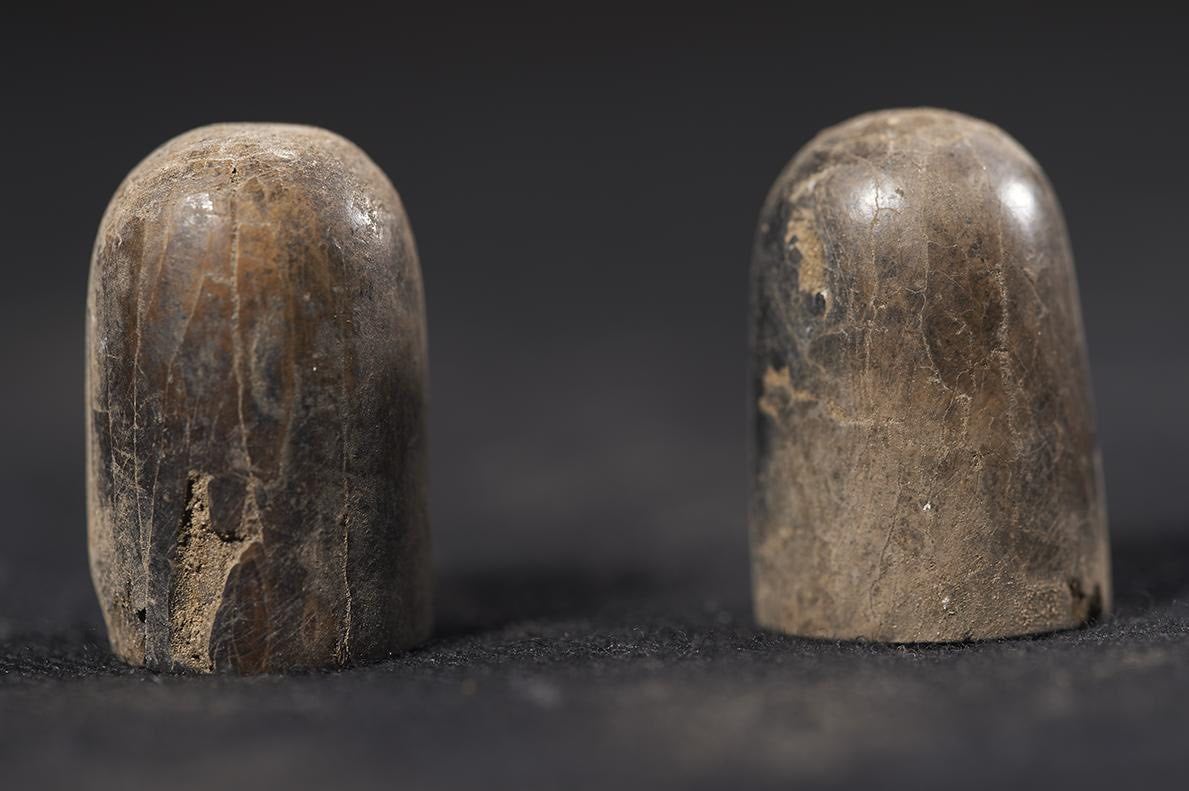
Although many pieces of “sunnat” have been uncovered in Egypt, the rules of the ancient board game remain unclear.
Researchers hope further excavations could provide fresh understanding the daily life of the inhabitants of the area.
Join our commenting forum
Join thought-provoking conversations, follow other Independent readers and see their replies
Comments
Bookmark popover
Removed from bookmarks