Killer fungus becoming more infectious and spreading worldwide
Study says fungus uses proactive ways to evade drugs and human immune response
A drug-resistant variety of the common fungus Candida auris is gaining virulence and spreading across the globe, scientists warn in a new review.
Fungal infections, which affect nearly 6.5 million people each year, are associated with a high mortality rate of over 50 per cent even with antifungal therapy.
Candida auris is a type of invasive yeast that can cause deadly infections, especially in people with weakened immune systems.
It was first discovered in 2009 in the ear canal of a patient in Japan and soon spread to many countries, including India, where it was identified as a major public health threat in 2014.
The latest research review reveals several unique traits of the fungus that enable it to spread rapidly. Candida auris is already found in at least 61 countries on six continents.
The study notes that the fungus is rapidly becoming resistant to drugs due to its ability to switch from a yeast-like growth form to a filament-driven spread. It also has cell wall proteins that enable it to stick to human skin “like glue” and colonise it.
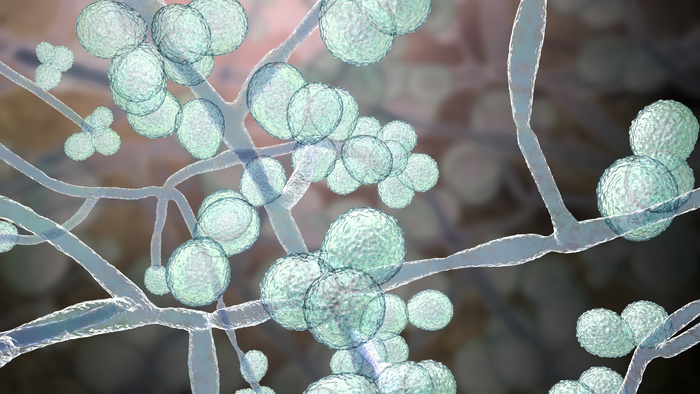
“Skin colonisation by C auris is a significant medical concern because colonised patients may facilitate inter- and intra-hospital transmission of C auris to other patients,” the study, published in the Microbiology and Molecular Biology Reviews, points out.
The fungus is equipped with “efflux pumps” on its cell membrane that can remove antifungal drugs before they can kill it. It also sticks together to form slimy biofilm layers on surfaces making it hard for drugs to penetrate.
It’s unclear if there are any other means by which the fungus resists drugs, the study says. “The diagnosis of C auris infections is often hampered by misidentification, leading to delays in starting appropriate antifungal therapy,” the review explains.
“Taken together, these data underscore the need to develop novel antifungal agents with broad-spectrum activity against human fungal pathogens, to improve diagnostic tests, and to develop immune- and vaccine-based adjunct modalities for the treatment of high-risk patients.”
The review calls for improved efforts to raise awareness about the fungal disease via better surveillance mechanisms, especially in resource-poor countries. It notes that three new drugs that are currently in clinical trials could likely become available for treatment of this fungal infection soon.
Join our commenting forum
Join thought-provoking conversations, follow other Independent readers and see their replies
Comments
Bookmark popover
Removed from bookmarks