Lab-grown fungus ‘meat’ could be cheaper chicken substitute, scientists say
Natural texture and flavour of protein produced by fungus closely resemble meat
Chinese scientists have genetically tweaked a fungus to make protein-rich “meat”, which they say can be a low-cost, environmentally friendly alternative to chicken.
Studies have shown that raising livestock is responsible for some 14 per cent of the global greenhouse gas emissions, in addition to requiring swathes of land and large quantities of fresh water.
While lab-grown proteins from yeast and fungi have emerged as potential alternatives to meat, processing them into consumer-friendly products has been a challenge.
Of the current options, the protein from the fungus Fusarium venenatum stands out due to its natural texture and flavour, closely resembling those of poultry meat.
Although this fungus “meat” has been approved for food use in several countries like the US, UK and China, making even small amounts of it requires enormous resources, scientists say.
By editing the Fusarium venenatum genome, without introducing any foreign DNA, Chinese scientists have improved its protein production efficiency and digestibility.
They have detailed their findings in a new study published in Trends in Biotechnology.
"There is a popular demand for better and more sustainable protein for food,” Xiao Liu, an author of the study from Jiangnan University, said. “We successfully made a fungus not only more nutritious but also more environmentally friendly by tweaking its genes.”
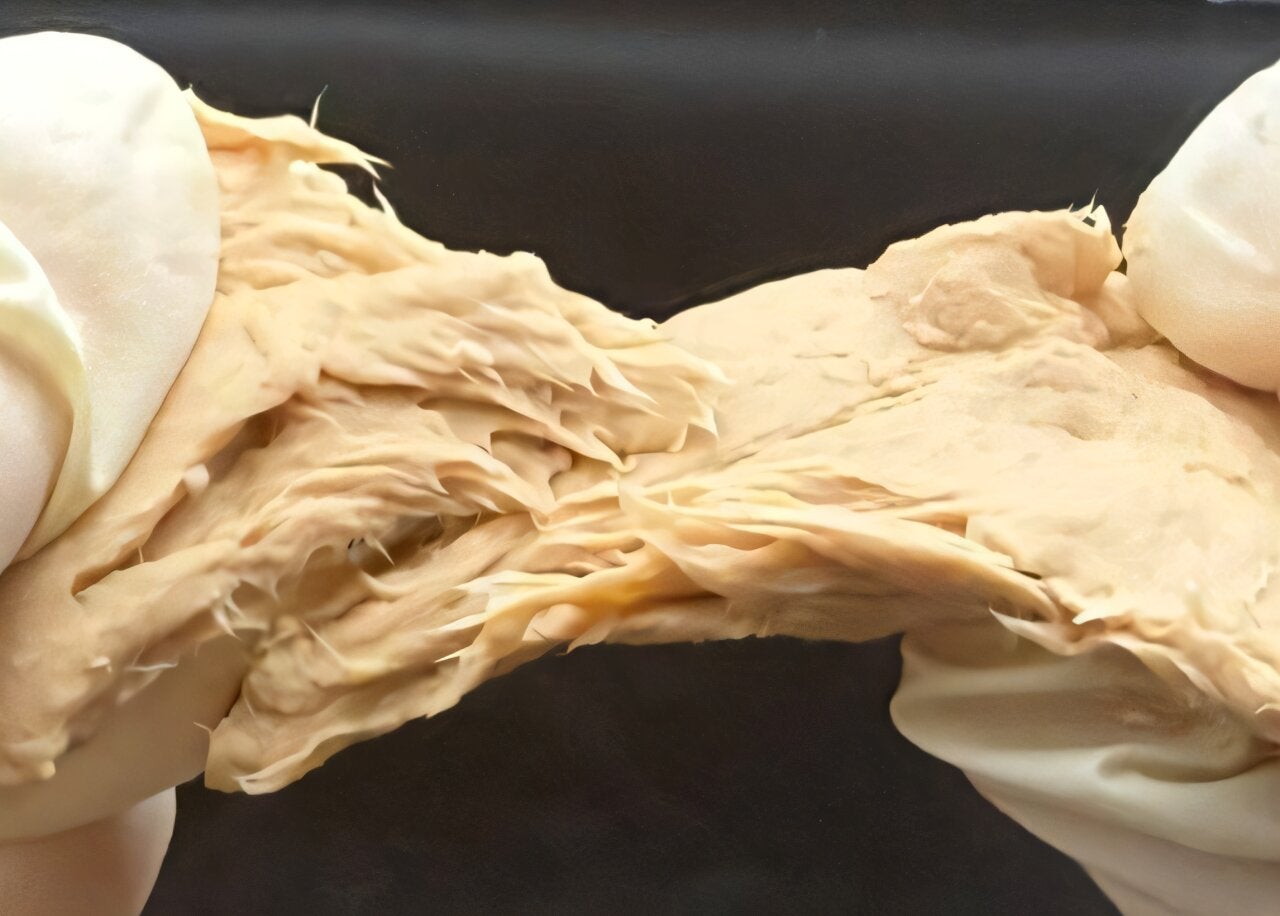
The scientists simply removed genes from the fungal DNA associated with two of its enzymes.
One of the changes made the fungal cell wall thinner and allowed more protein to be packed inside its cell.
The other helped fine-tune the fungal metabolism so that it needed less nutrient input to produce protein.
“Gene-edited foods like this can meet growing food demands without the environmental costs of conventional farming," Dr Liu said.
The modified fungal strain, dubbed FCPD, needed 44 per cent less sugar to make the same amount of protein as the original strain and it did so 88 per cent faster, the new study noted.
The researchers then simulated FCPD production in six nations with different energy structures and found that, compared to chicken production in China, myoprotein from FCPD needed 70 per cent less land and reduced the risk of freshwater pollution by 78 per cent.
“It can be concluded that effective mycoprotein synthesis provides environmental advantages over animal protein and cultured meat,” the researchers said.
The modification of the fungus involves the use of CRISPR, a biotechnology tool to selectively modify a living organism’s DNA.
“Considering appropriate policy factors to promote the development of CRISPR technology in cell agriculture and the alternative protein industry, coupled with more in-depth safety validation, our strategy has the potential to be further extended to other alternative protein production models,” the researchers said.
Join our commenting forum
Join thought-provoking conversations, follow other Independent readers and see their replies
Comments
Bookmark popover
Removed from bookmarks