Chimpanzees accessorise and follow fashion trends just like humans, scientists find
Eight rescue chimps were observed copying each other placing blades of grass and twigs behind their ears
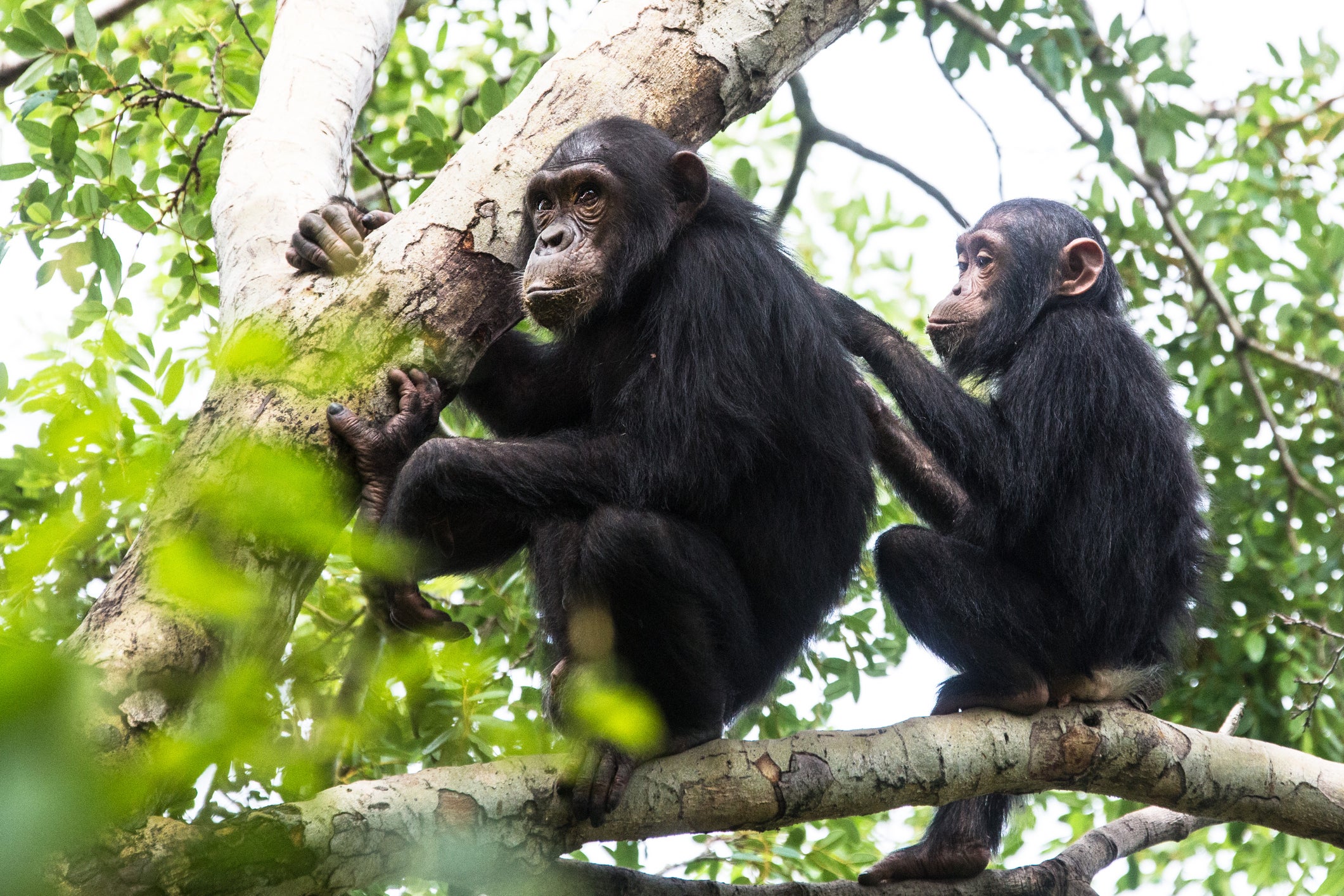
Chimpanzees have been observed following “fashion trends” in the same way humans might do, research has revealed.
Eight rescue primates in Chimfunshi Wildlife Orphanage, Zambia, were seen placing grass or twigs into their ears for no particular reason, a study published in the journal Behaviour found.
Dr Jake Brooker of Durham University, co-author of the study, told The Times: “This isn’t about cracking nuts or fishing for termites. It’s more like chimpanzee fashion.
“It mirrors how human cultural fads spread: someone starts doing something, others copy it and it becomes part of the group identity, even if it serves no clear purpose — and even if it’s sometimes uncomfortable.”
The researchers said one explanation could be chimpanzees being in captivity not having to pay as much attention to staying alive.
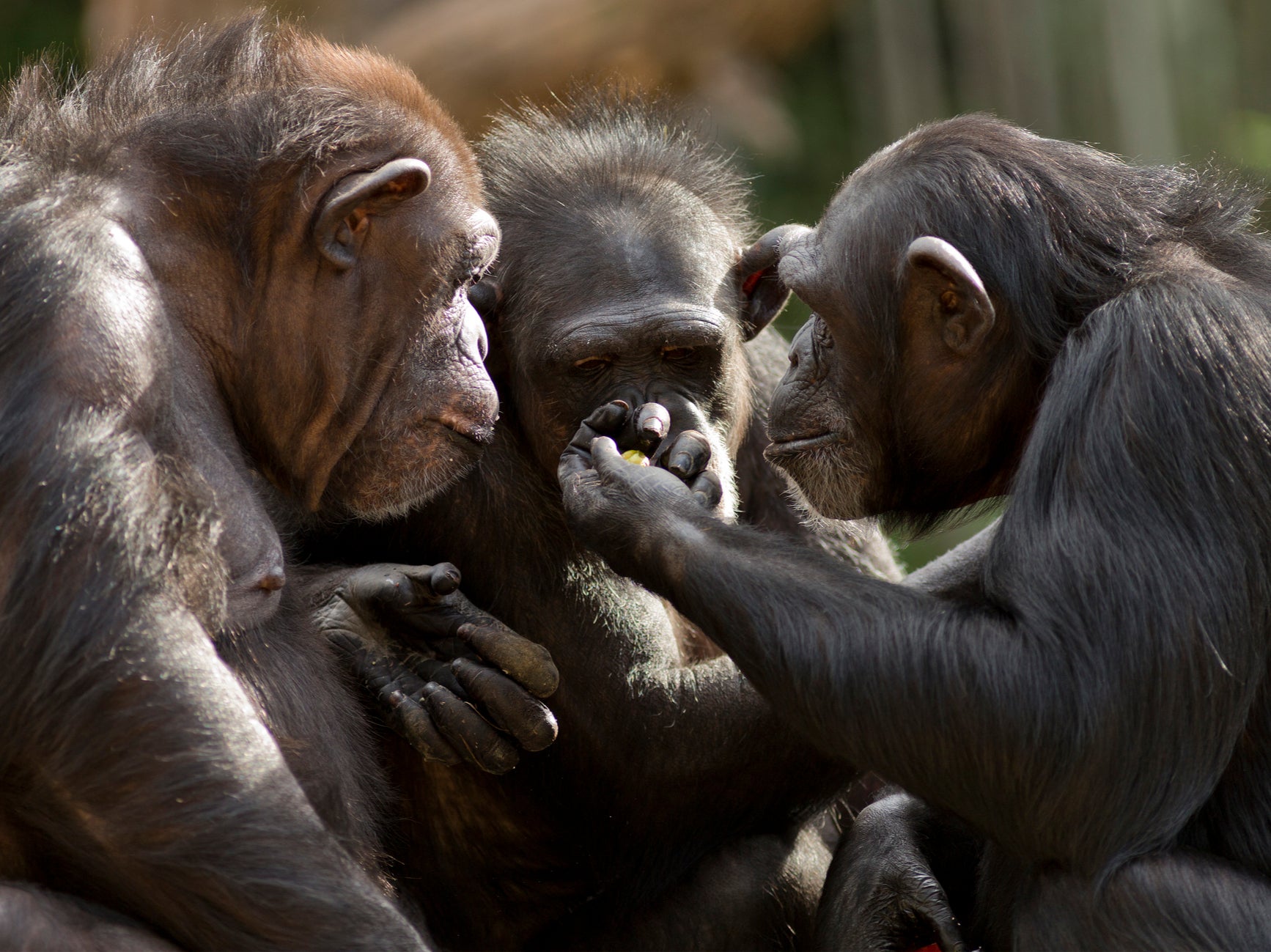
“They don’t have to stay as alert or spend as much time searching for food,” Dr Edwin van Leeuwen of Utrecht University, added. “That may give them more cognitive room for play, experimentation and copying each other.”
In a separate study, chimpanzees in Uganda were observed using plants to treat open wounds and tend to each other's injuries.
University of Oxford scientists, working with a local team in the Budongo Forest, filmed and recorded the animals using plants for first aid. The footage shows the animals licking and dabbing leaves on wounds.
Researchers say the footage adds to a growing body of evidence that primates, including chimps, orangutans and gorillas, use natural medicines in a number of ways to stay healthy in the wild.
Dr Elodie Freymann of the University of Oxford, first author of the article in Frontiers in Ecology and Evolution, said: “Chimpanzee wound care encompasses several techniques: direct wound licking, which removes debris and potentially applies antimicrobial compounds in saliva; finger licking followed by wound pressing; leaf-dabbing; and chewing plant materials and applying them directly to wounds.”
Researchers studied two communities of chimpanzees in the Budongo Forest, the Sonso and Waibira.
Like all chimpanzees, members of these communities are vulnerable to injuries, whether caused by fights, accidents, or snares set by humans. About 40 per cent of all primates in Sonso have been seen with snare injuries.
The researchers spent four months observing each community, as well as drawing on video evidence from the Great Ape Dictionary database, logbooks containing decades of observational data, and a survey of other scientists who had witnessed chimpanzees treating illness or injury.
Join our commenting forum
Join thought-provoking conversations, follow other Independent readers and see their replies
Comments
Bookmark popover
Removed from bookmarks