The Independent's journalism is supported by our readers. When you purchase through links on our site, we may earn commission.
Researchers just unleashed microbes trapped in Arctic ice for 40,000 years: ‘These are not dead samples’
From The Thing to The Last of Us, dozens of sci-fi classics have warned us about this moment — but did we listen?
From The Last of Us to The Thing, blockbuster movies and TV shows have been trying to warn the world not to dig into ancient ice, open the cursed Mummy’s tomb, or recreate dinosaurs, for decades.
And yet, geologists and biologists at the University of Colorado Boulder said Thursday they’ve begun resurrecting ancient microbes that had been trapped in Arctic ice for as many as 40,000 years.
Sleeping bacteria can survive without nutrients, heat, or light for centuries, according to Harvard Medical School.
“These are not dead samples by any means,” Tristan Caro, a former graduate student in geological sciences at the university, said in a statement.
“They’re still very much capable of hosting robust life that can break down organic matter and release it as carbon dioxide.”
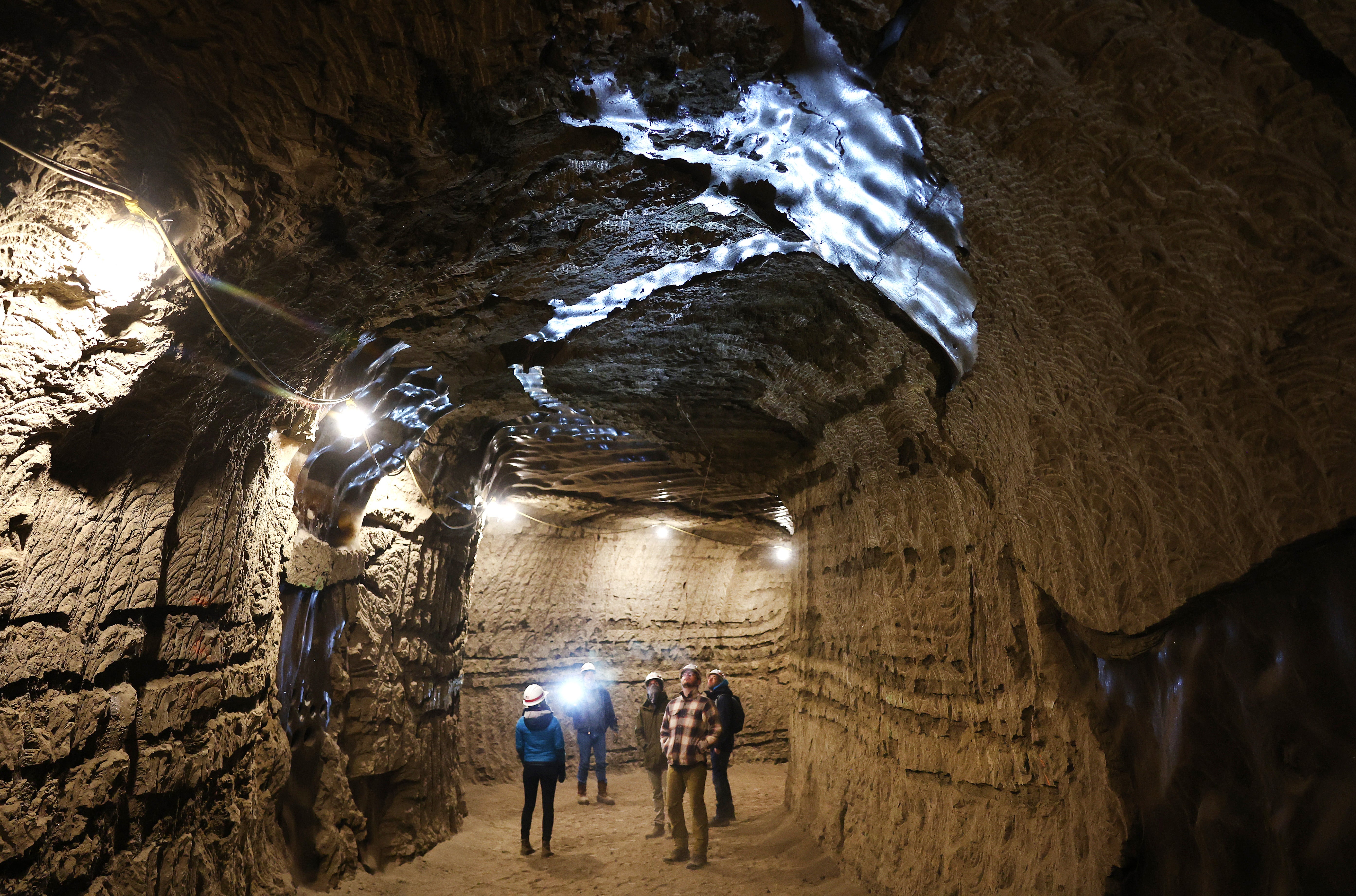
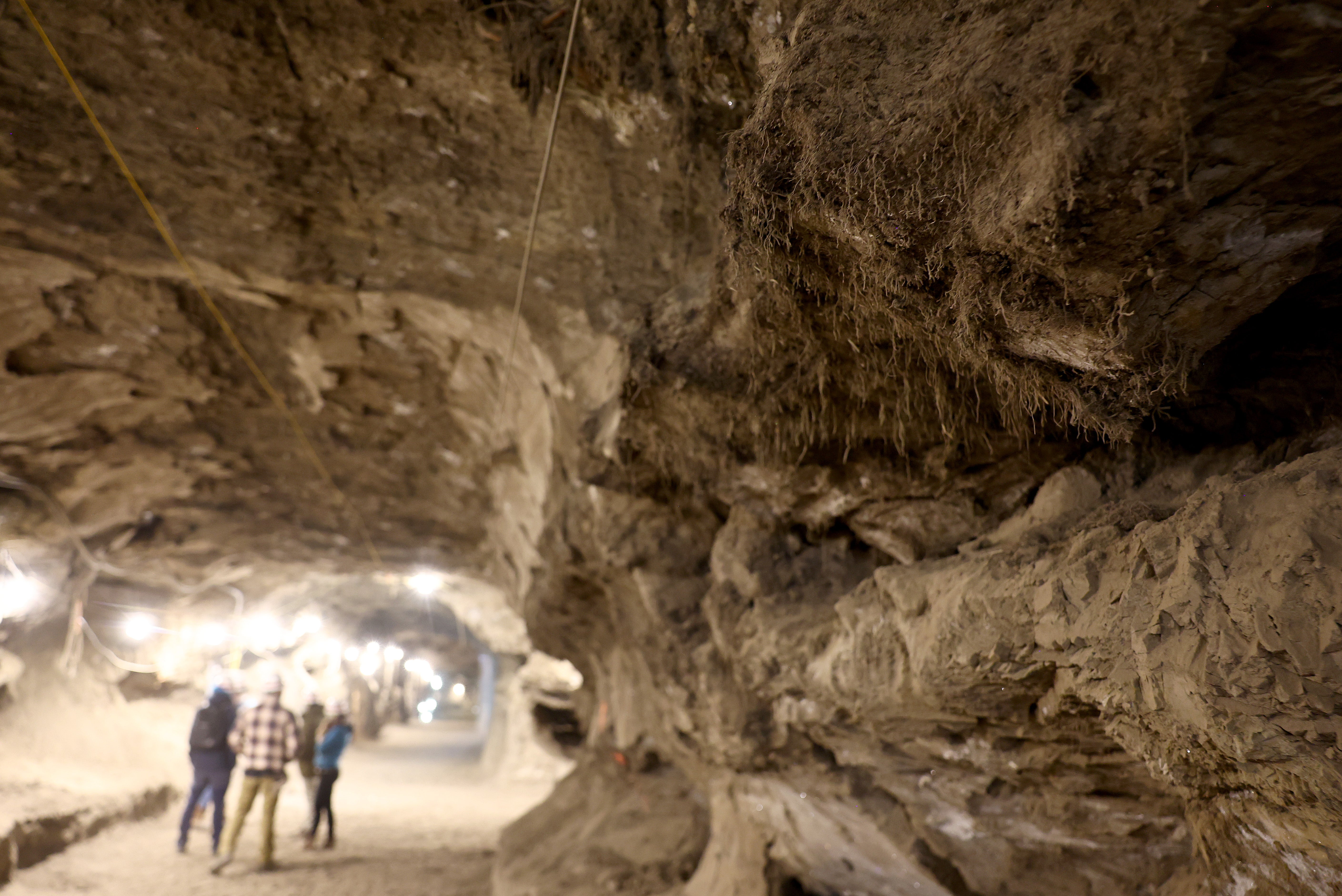
The team of scientists from across the country dug the microbes out of Alaskan permafrost — a mix of soil, ice, and rocks — working some 350 feet below the Earth’s surface.
The samples were taken from the walls of a U.S. Army Corps of Engineers research facility near Fairbanks known as the “Permafrost Tunnel,” which was first excavated in the 1960s and contains mammoth bones from the Ice Age.
Then, they tried to wake the microbes up, exposing them to water and temperatures of 39 and 54 degrees Fahrenheit, which are hot for the region. After observing the microbes for six months, there were surprising results.
While the groups of bacteria had grown very slowly in the first few months, some began to produce a thin, sticky substance known as a biofilm, which protects viruses and can help them to spread.
That means it could take a few months for microbes to become active after a hot spell, they said.
“We wanted to simulate what happens in an Alaskan summer, under future climate conditions where these temperatures reach deeper areas of the permafrost.” said Caro.
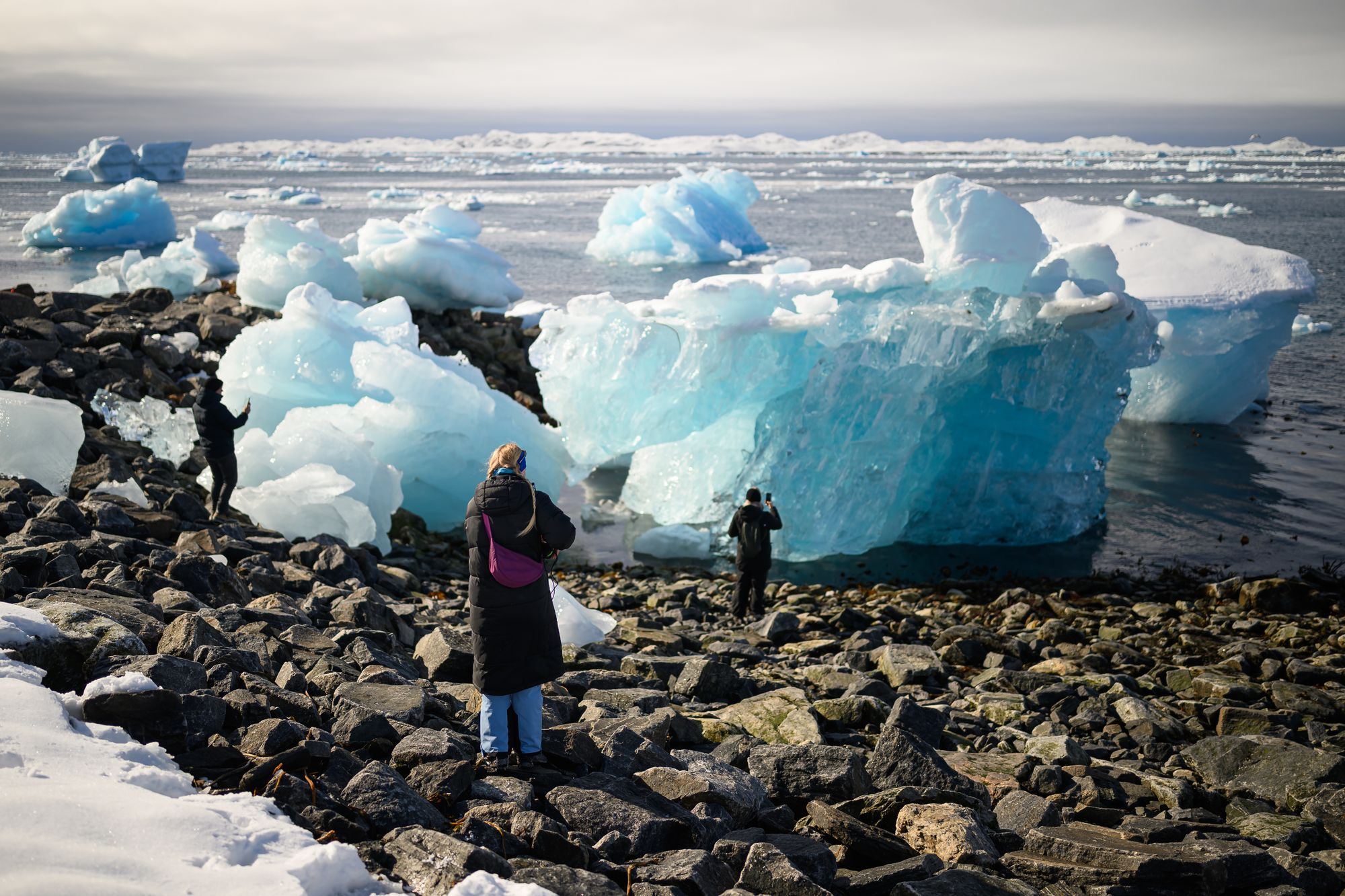
The effort comes as Arctic ice has melted at unprecedented rates due to climate change. The region, which spans some 5.5 million square miles, has warmed four times faster than anywhere else on Earth since 1979, according to Finnish researchers. By 2100, the European Space Agency estimates that as many as two-thirds of near-surface permafrost could be lost.
Melting permafrost releases the planet-warming greenhouse gases carbon dioxide and methane, compounding the problem. Researchers at MIT estimate that the world’s permafrost has as many as 1,500 billion tons of carbon — almost double the amount of carbon currently in the atmosphere, according to NOAA.
That’s not the only danger.
Scientists have warned for years that the permafrost harbors unknown bacteria and viruses, with potentially dire consequences to human health.
“We really don’t know what’s buried up there,” Birgitta Evengård, a microbiologist at Sweden’s Umeå University, told NPRin 2016. “This is Pandora's box.”
Some of these microbes may already be resistant to our antibiotics. And some species may be completely new, as they’ve had to adapt to harsh conditions.
So, why try to remove and revive them? Well, studying the microbes gives experts a greater understanding of what’s out there.
Ancient bacteria can lead to infections, but it could also help develop new antibiotics for medical use. One bacterium found in Arctic soil could even help clean up oil spills.
Scientists previously revived an older strain of the so-called “zombie viruses” and and there hasn’t been much cause for panic so far.
While an ancient virus could be reactivated and infect humans, most of the viruses revived thus far only infect amoebas, notes Medical University of South Carolina researcher Douglas Johnson, and many are too fragile to survive modern conditions.
Right now, it remains hard to say just how worried we should be Andrea Hinwood, The United Nation Environment Programme’s Chief Scientist, said.
But, she added, “there are reasons to be concerned.”
Caro said that the microbes they used likely couldn’t infect people — but the team kept them in sealed chambers regardless.
Join our commenting forum
Join thought-provoking conversations, follow other Independent readers and see their replies
Comments
Bookmark popover
Removed from bookmarks