Thousands of dinosaur footprints found near Winter Olympics venue
Paleontologists hailed the discovery which was found on Alpine cliffs in Italy
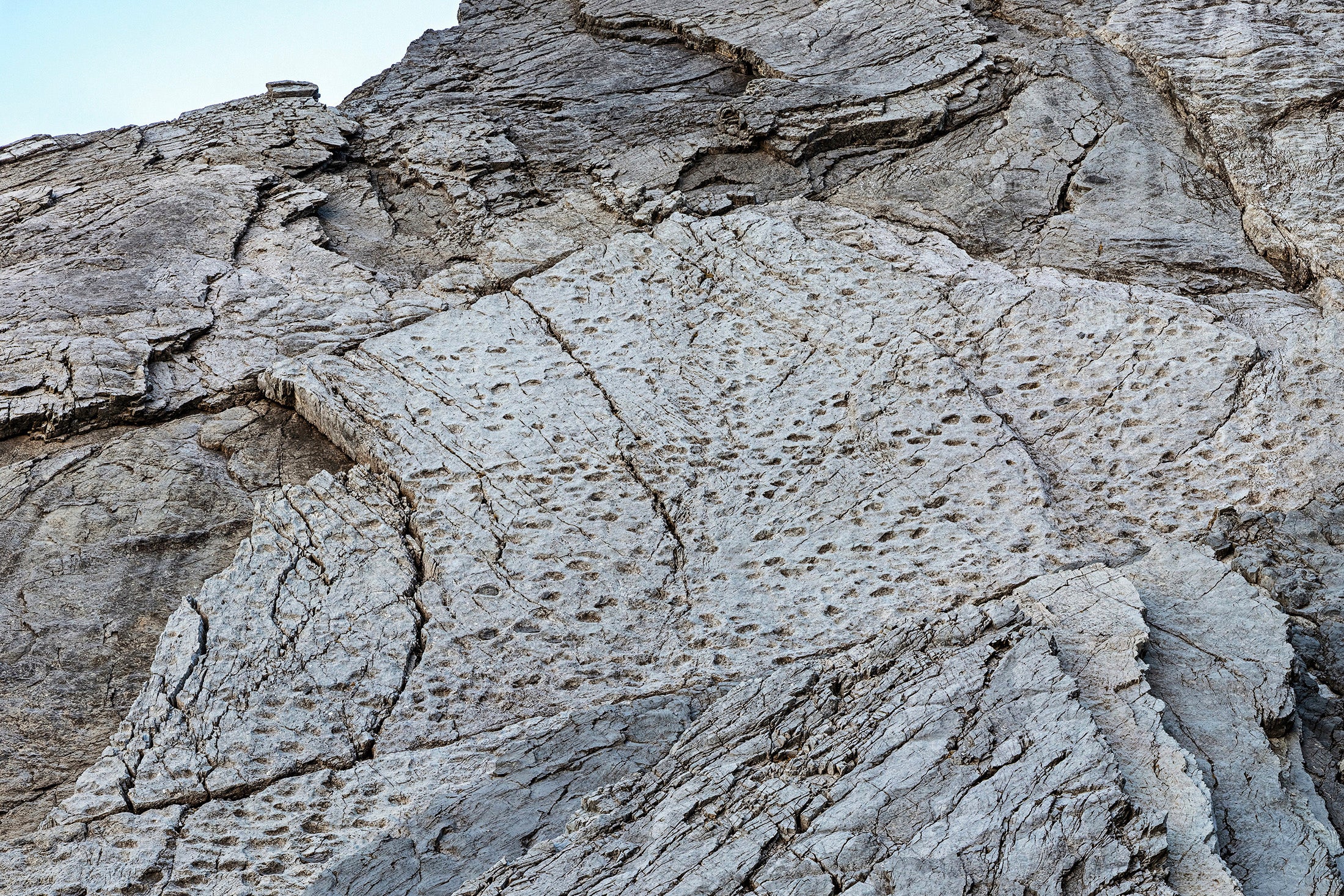
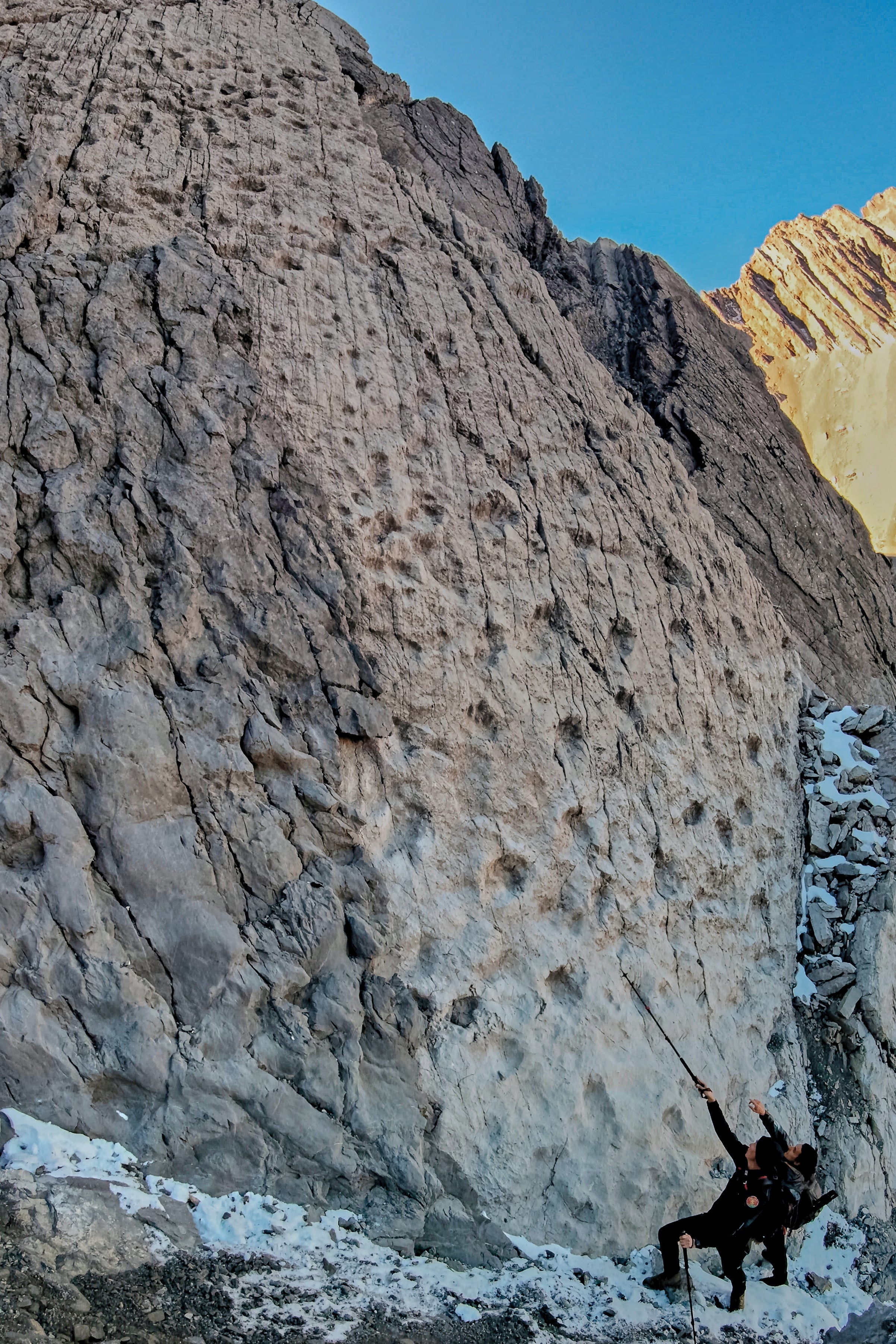
Thousands of dinosaur footprints, stretching for kilometres, have been uncovered on a near-vertical rock face in Italy's Stelvio National Park.
Paleontologists are hailing the discovery, located over 2,000 metres above sea level in the glacial Valle di Fraele, as one of the world's richest sites from the Triassic period.
The tracks, near Bormio – a 2026 Winter Olympics venue in northern Lombardy – span approximately five kilometres.
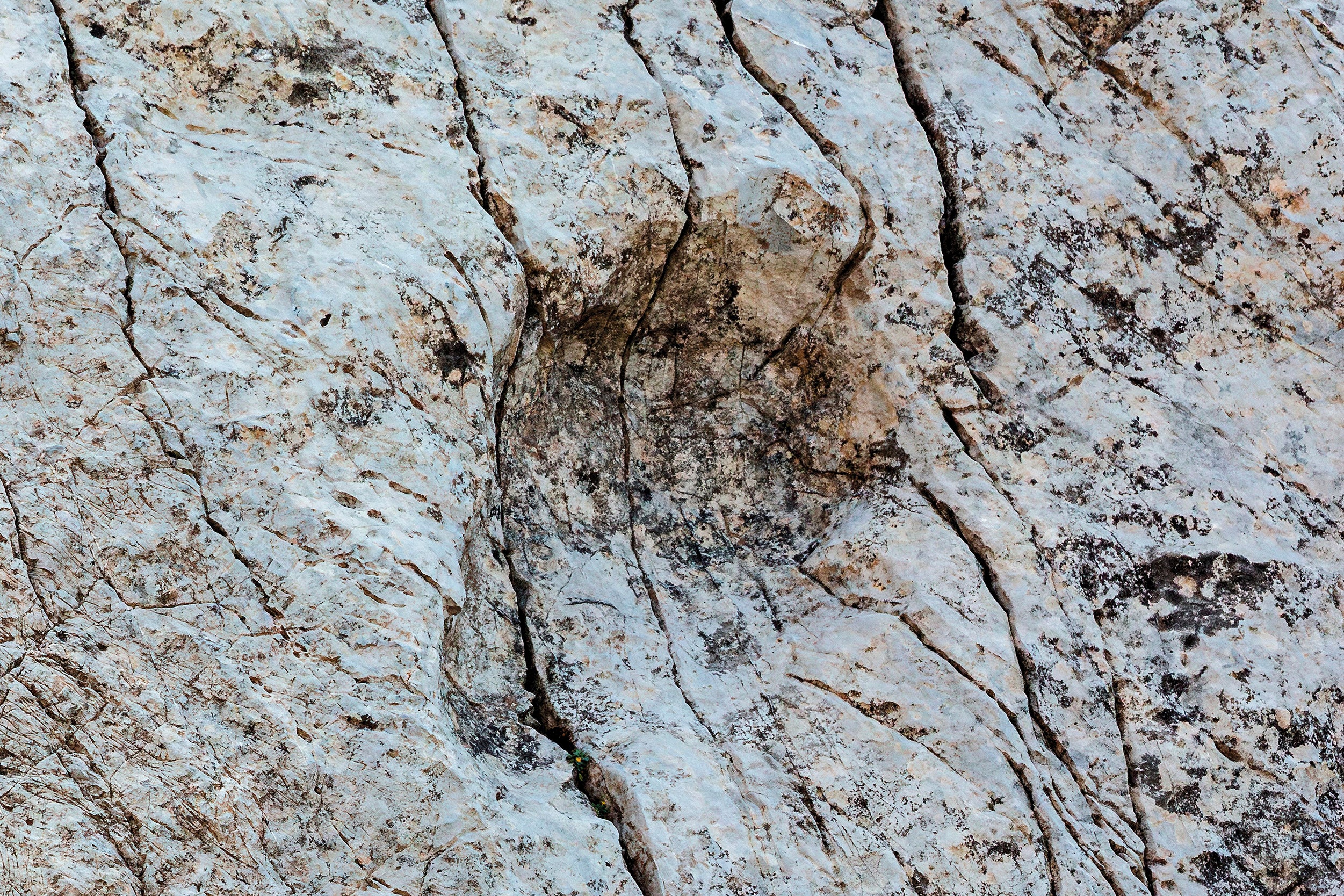
These fossilised impressions, up to 40 cm wide with clear claw marks, offer a rare glimpse into prehistoric life.
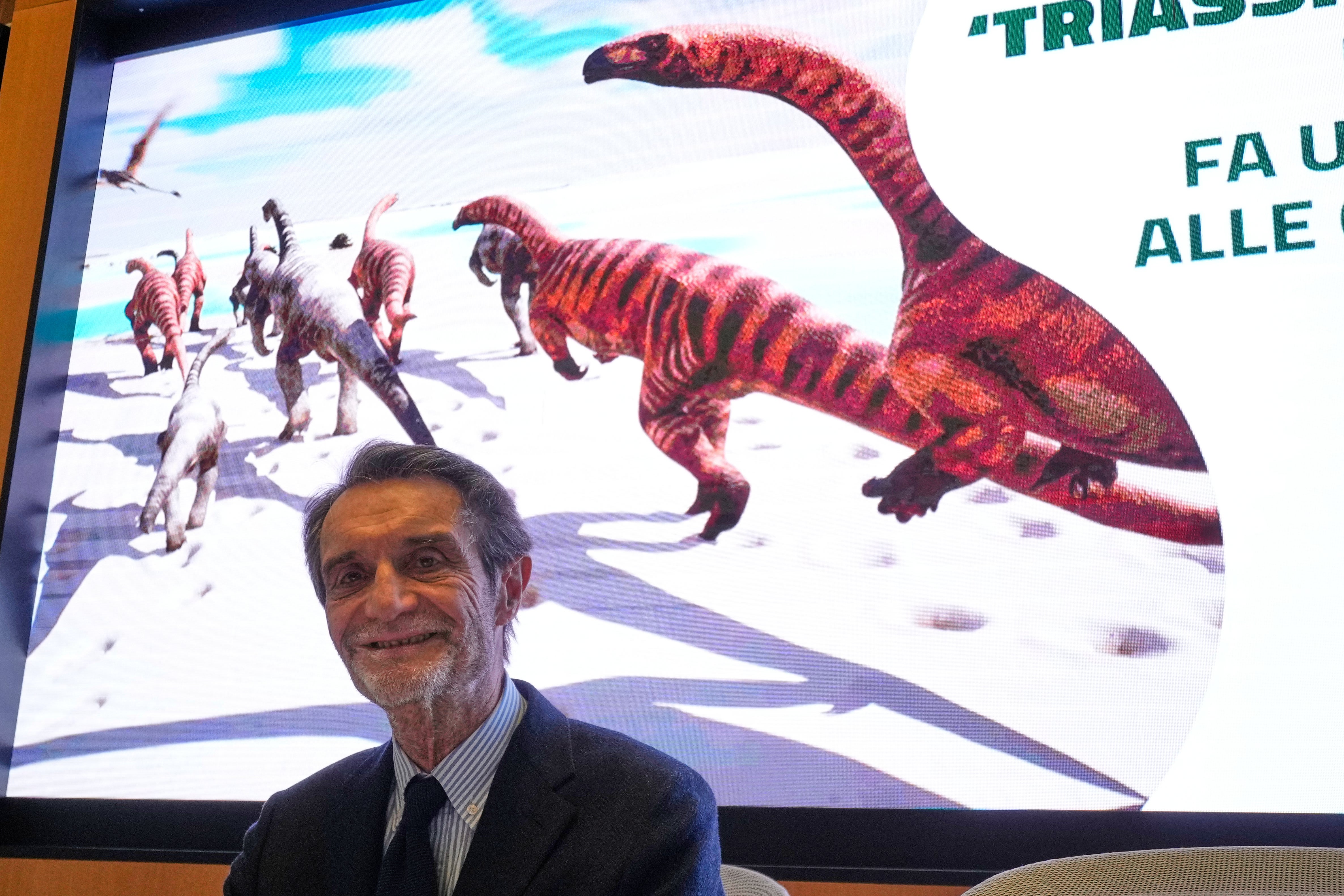
Cristiano Dal Sasso, a paleontologist at Milan's Natural History Museum, expressed his astonishment at a press conference in Lombardy.
"This is one of the largest and oldest footprint sites in Italy, and among the most spectacular I've seen in 35 years," he stated.
Experts believe long-necked herbivores, likely plateosaurs, left the prints more than 200 million years ago.
The area was then a warm lagoon, ideal for dinosaurs to roam along beaches, leaving tracks in mud near the water.
Fabio Massimo Petti, an ichnologist from MUSE museum of Trento, explained at the conference: "The footprints were impressed when the sediments were still soft, on the wide tidal flats that surrounded the Tethys Ocean."
He added: "The muds, now turned to rock, have allowed the preservation of remarkable anatomical details of the feet, such as impressions of the toes and even the claws."
The dramatic shift from horizontal seabed to vertical mountain slope occurred as the African plate gradually moved north, closing and drying up the Tethys Ocean.
Sedimentary rocks from the seabed were then folded, creating the Alps. The fossilised tracks were spotted in September by a wildlife photographer while chasing deer and bearded vultures, experts said.
As the area cannot be reached by trails, drones and remote sensing technologies will be used for study.
Giovanni Malagò, President of the Milano Cortina 2026 Organising Committee, told journalists: "The natural sciences deliver to the Milan-Cortina 2026 Games an unexpected and precious gift from remote eras."
Join our commenting forum
Join thought-provoking conversations, follow other Independent readers and see their replies
Comments
Bookmark popover
Removed from bookmarks