An ancient forest is the last stand for a tiny hummingbird facing extinction
On the slopes of the Pichincha volcano, 45 kilometers (27 miles) northwest of Quito, conservationists are now racing to restore this cloud-shrouded forest
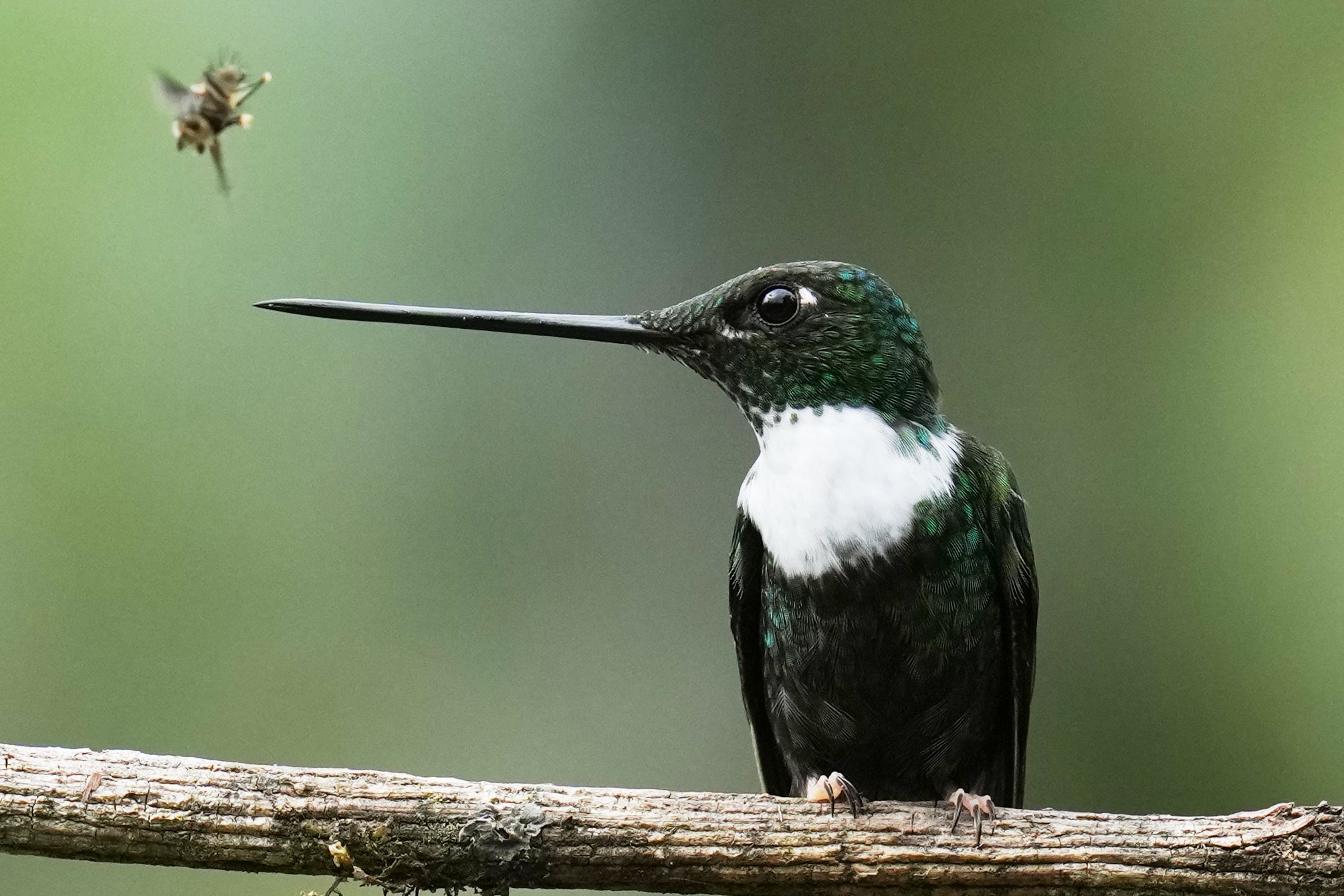
In the heart of the Ecuadorian Andes, a tiny hummingbird, the Black-breasted puffleg (Eriocnemis nigrivestis), clings precariously to existence within its last sanctuary, the ancient Yanacocha Reserve. This forest stands as a final bulwark against human encroachment for the species.
Measuring a mere 9 centimetres (3.5 inches), this emblematic bird of Quito ranks among the world's most endangered. The International Union for Conservation of Nature reports its global population has plummeted to a critical 150 to 200 individuals. Established 25 years ago by the Jocotoco Foundation, the Yanacocha Reserve has become a vital centrepiece for Andean biodiversity.
“We realized we were conserving an entire ecosystem, not just one species,” conservationist Paola Villalba told The Associated Press.
The bird is easily identified by the striking white “trousers” of feathers around its legs, which contrast sharply with its deep, metallic black chest and bronze-green wings. Despite its beauty, its survival is at risk as high-altitude forests are cleared for grazing and agriculture.
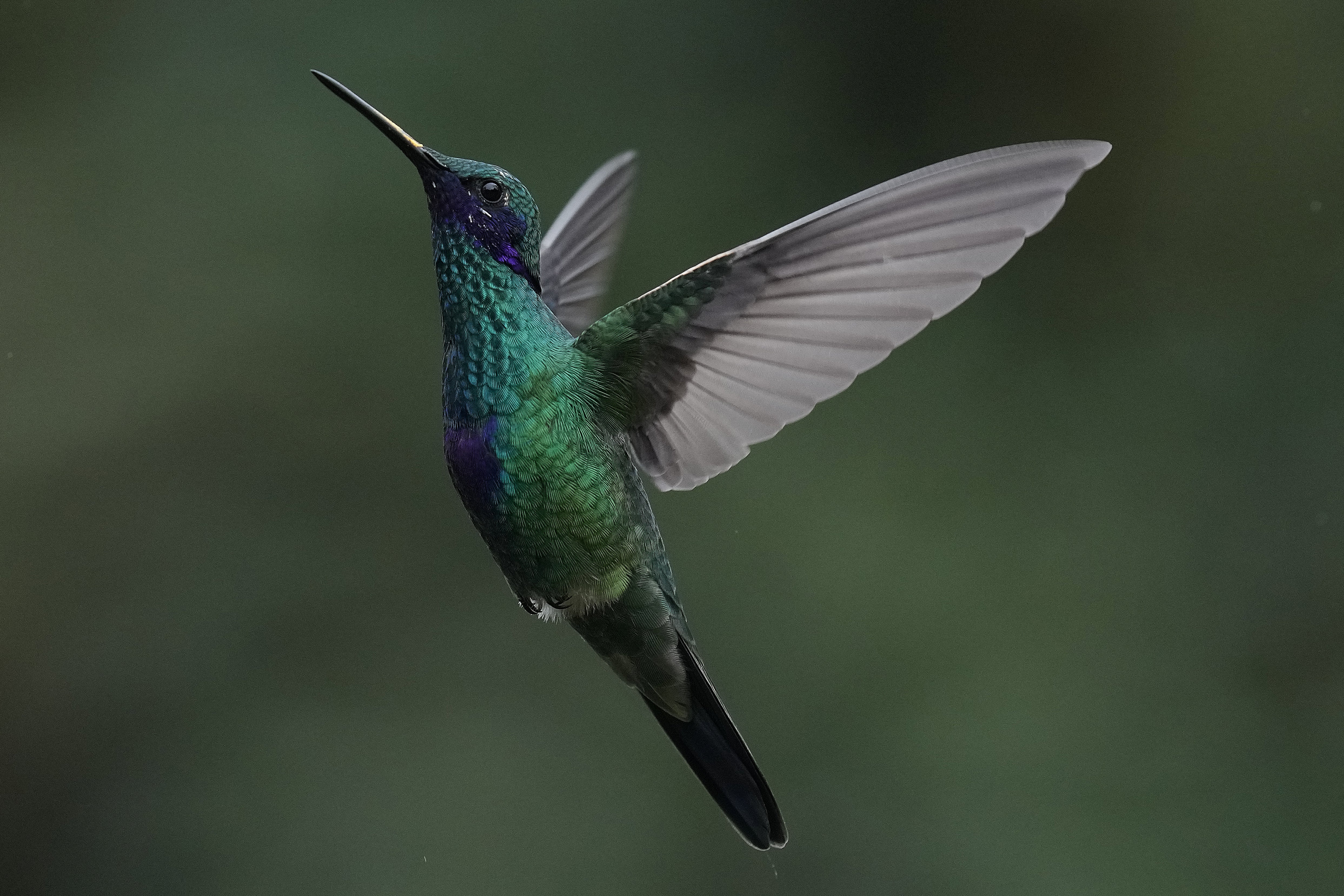
Shirley Farinango, of the Birds and Conservation Foundation, notes that the pressure is most intense because the puffleg occupies a narrow ecological niche between 3,000 and 3,500 meters (9,800 and 11,400 feet) above sea level. This specific elevation, she said, is “prime territory" to be converted to agricultural land.
On the slopes of the Pichincha volcano, 45 kilometers (27 miles) northwest of Quito, conservationists are now racing to restore this cloud-shrouded forest.
For the “smallest fairies” of the Andes, these dense trees are more than just a habitat — they are their last stand.
Bookmark popover
Removed from bookmarks