Scientists say this silent bone change could be early sign of leukaemia
Study finds inflammation in bone marrow environment key to evolution of cancer
Scientists say special immune cells in the body can damage bone marrow over the years and contribute to leukaemia, a discovery that may lead to early detection of blood cancer.
Inflammatory support cells of the immune system, which rush to take out pathogens, can play a key role in damaging bone marrow early in cancer development. Normally, the bone marrow makes millions of new blood and immune cells, with a delicate balance maintained between them, along with unspecialised cells like stem cells.
But ageing, persistent inflammation, and mutations can distort this balance, increasing the risk of blood cancers, heart disease and premature death. But exactly how the bone marrow environment contributes to the blood disorders remains unclear, researchers say.
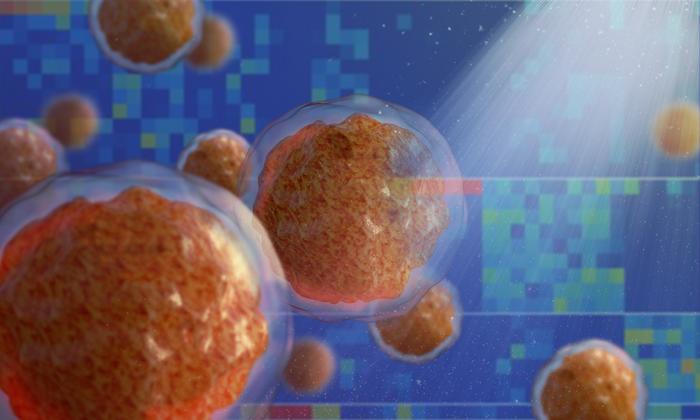
In a new study, researchers conducted an analysis of bone marrow collected at the National Centre for Tumour Diseases in Dresden.
They assessed samples taken from healthy donors and people with Myelodysplastic syndrome, a marrow disorder that develops into an aggressive and often fatal blood cancer in as many as a third of the cases.
They found that inflammation in the marrow environment caused by special cells, called the inflammatory mesenchymal stromal cells, was a key force in the earliest stages of blood disease.
“Our findings reveal that the bone marrow microenvironment actively shapes the earliest stages of malignant evolution,” Borhane Guezguez, an author of the study published in the journal Nature Communications, said.
The bone marrow appears to be both a target and a driver of systemic inflammatory ageing, researchers say.
They hope these findings can lead to a better understanding of “inflammaging”, the chronic, low-grade inflammation behind many age-related disorders such as cancer and heart disease.
“This has important implications for therapies that replace malignant cells but leave the bone marrow niche intact such as blood stem cell transplantation,” Judith Zaugg, another author of the study, said.
“We’re now investigating to what extent the niche retains a ‘memory’ of disease, which could shape how it responds to new, healthy stem cells.”
Join our commenting forum
Join thought-provoking conversations, follow other Independent readers and see their replies
Comments
Bookmark popover
Removed from bookmarks