430,000-year-old well-preserved wooden tools are the oldest ever found
Alder digging or scraping tool found at lake-side site used for animal butchery
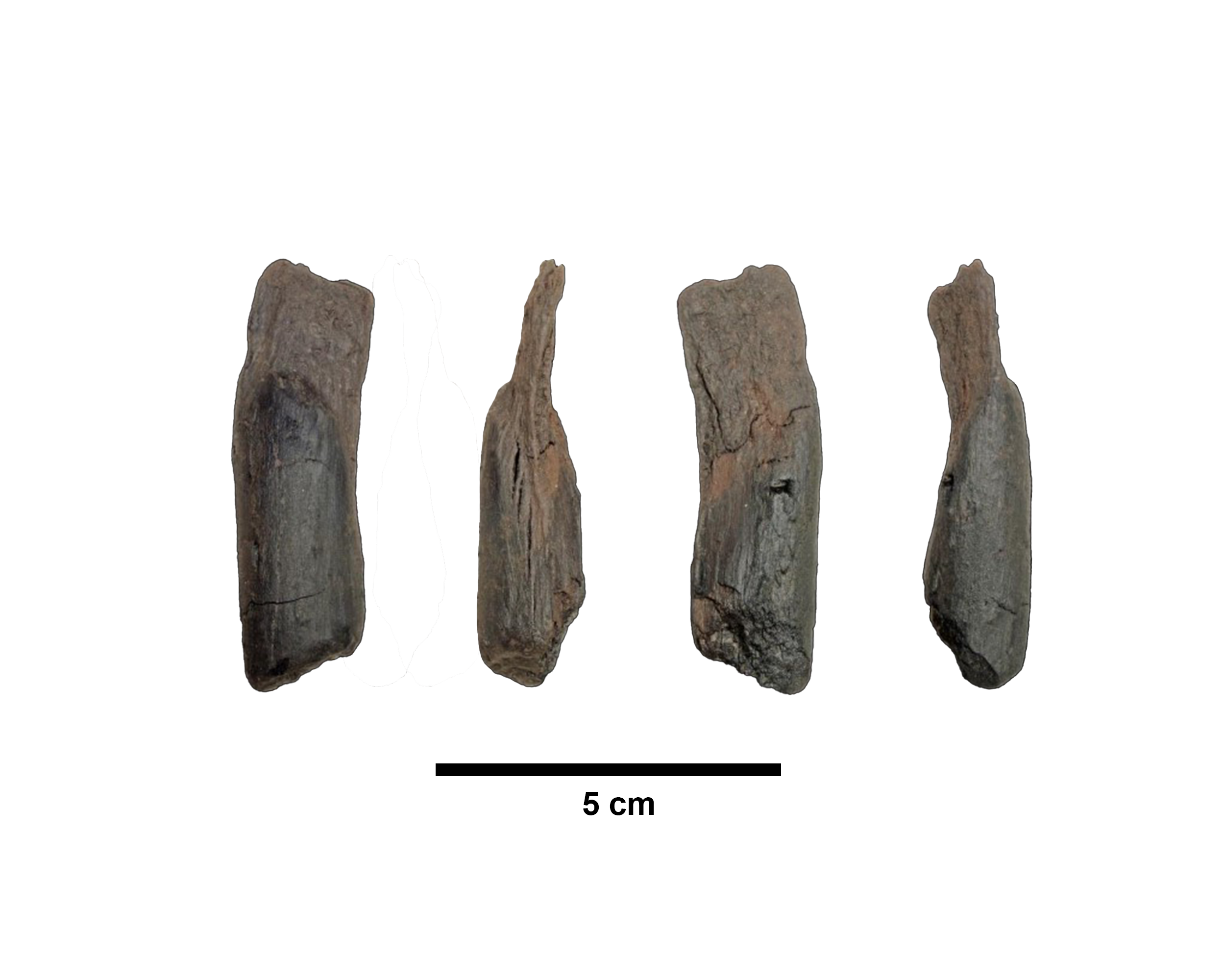
The earliest known examples of wooden hand-held tools, believed to be 430,000 years old, have been discovered by researchers in Greece’s central Peloponnese.
The find, led by a research team from the University of Reading, pushes back the previous evidence of use of similar such tools by 40,000 years.
The artefacts were found at the Marathousa 1 site, near Megalopolis in southern Greece. The site was first discovered in 2013, at the edge of what would have once been a large lake and where elephant bones as well as the remains of turtles and birds have previously been found.
The researchers found two wooden artefacts – one of which is a small piece of alder tree trunk, which they said showed "clear signs of having been shaped as well as signs of wear and tear".
They said it was probably used for digging at the edge of the lake, or for removing tree bark.
A second, "very small piece of wood from a willow or poplar tree", also shows signs of working and possible signs of use.
Other finds of stone tools as well as the animal remains indicate the lake-side site was used for butchering animals, the research team said.
It is believed to have been in use by early humans around 430,000 years ago during the Middle Pleistocene – the period from around 774,000 to 129,000 years ago.
“The Middle Pleistocene was a critical phase in human evolution, during which more complex behaviors developed," said Professor Katerina Harvati, of the University of Tübingen in Germany, who leads the long-term research programme at Marathousa 1.
"The earliest reliable evidence of the targeted technological use of plants also dates from this period,” she added.
The discovery of the wooden tools occurred following examination of the worked stones and bone artefacts at the site, which the researchers said "highlighted the skill and diverse activities of the people who once lived there". This led them to take a closer look at the associated finds made of wood.

“Unlike stones, wooden objects need special conditions to survive over long periods of time,” said Dr Annemieke Milks from the University of Reading, who is a leading expert in early wooden tools.
“We examined all the wooden remains closely, looking at their surfaces under microscopes. We found marks from chopping and carving on two objects – clear signs that early humans had shaped them."
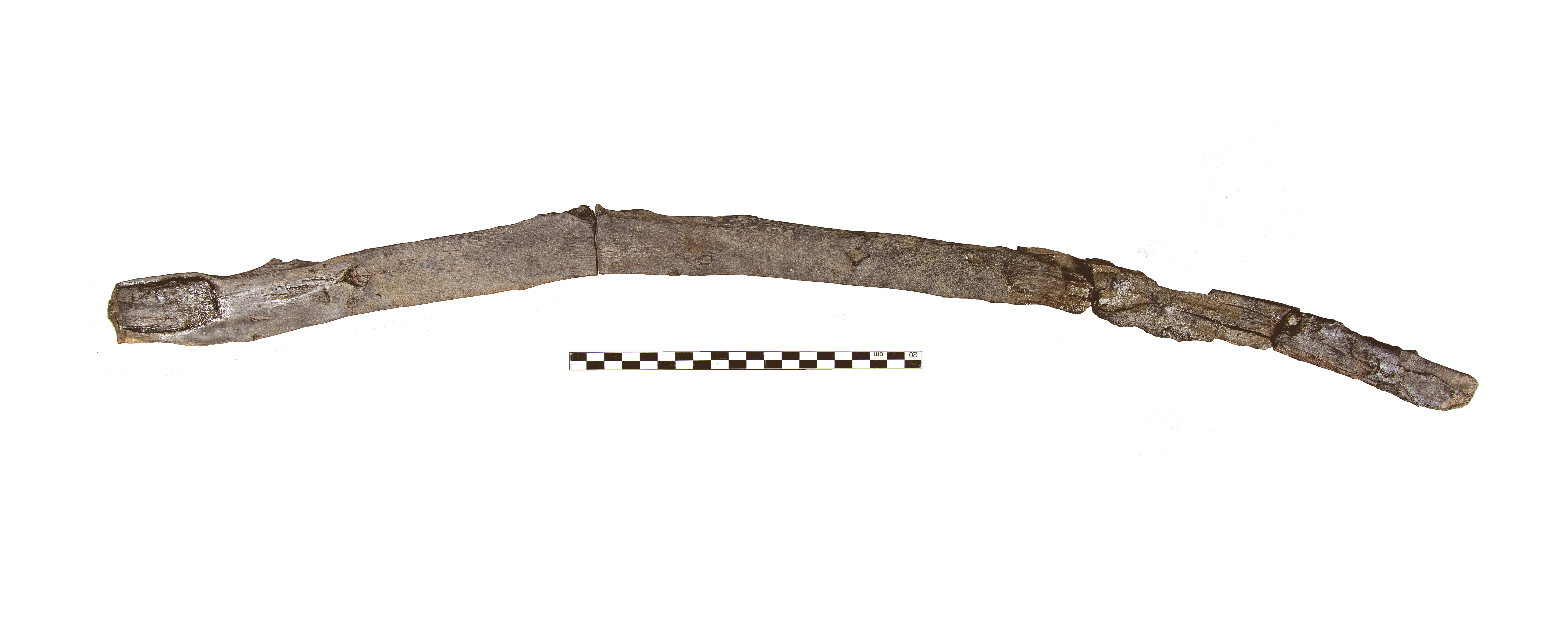
During the work at the site, the team also made a third find – a larger piece of alder tree trunk which showed a grooved pattern. However, this wasn't the result of human activity, but showed it had been clawed by a large carnivore, possibly a bear, the researchers concluded.
“The oldest wooden tools come from places such as the United Kingdom, Zambia, Germany, and China and include weapons, digging sticks, and tool handles. However, they are all more recent than our finds from Marathousa 1”, Dr Milks said.
There is only one known piece of wood used by humans that is older than the new finds: It is from the Kalambo Falls site in Zambia, and dates to around 476,000 years ago. However, that piece of wood was used not as a tool but as structural material.
In comparison, the oldest stone tools ever found are believed to date to 3.3 million years ago, and humans were "regularly" using animal bone tools 1.5 million years ago, however, less robust wooden tools require particular conditions to stop them rotting away over millenia.
“We have discovered the oldest wooden tools known to date, as well as the first evidence of this kind from southeastern Europe,” Professor Harvati said.
“This shows once again how exceptionally good the conditions at the Marathousa 1 site are for preservation. And the fact that large carnivores left their mark near the butchered elephant alongside human activity indicates fierce competition between the two.”
The research is published in the journal PNAS.
Join our commenting forum
Join thought-provoking conversations, follow other Independent readers and see their replies
Comments
Bookmark popover
Removed from bookmarks