Chinese scientists find way to make rubber and plastic without having to rely on fossil fuel
Iron-based catalyst found to enhance efficiency of alternate, more sustainable reaction
Chinese scientists have developed a new method to directly manufacture rubber and plastic from a mixture of hydrogen and carbon monoxide gases, an advance that could reduce industrial reliance on fossil fuels.
Olefins, or organic compounds, derived from petroleum are the building blocks for many polymers, including commonly used plastic and rubber products.
This has directly amplified the carbon footprint of the entire industry.
While alternatives exist – such as the use of a mixture of hydrogen and carbon monoxide gases called syngas from decomposing organic matter – these have been shown to be less efficient than existing methods.
Now, researchers have developed a method to catalyse such an alternative reaction to use syngas derived from coal, biomass, or natural gas for olefin production.
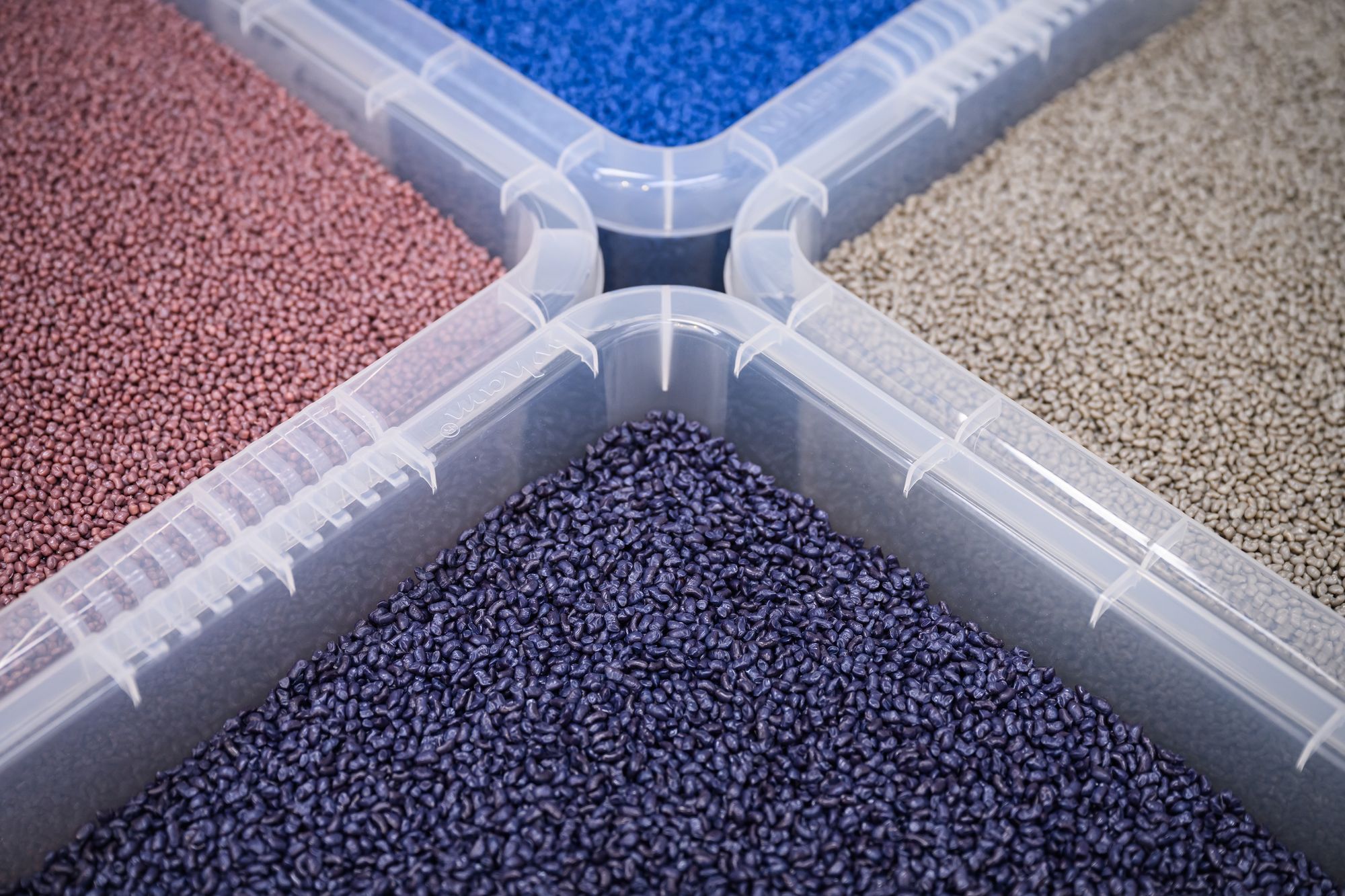
Scientists found that an iron-based catalyst enhances the efficiency of olefin production from syngas, nearly 50 per cent more than the best previously known methods.
In the study, researchers used a measure called the Hydrogen Atom Economy (HAE), which is an estimate of how efficiently a reaction uses its hydrogen atoms to make the final product.
A higher HAE implies more product and less wastage.
Previous methods to make olefin from syngas had low HAE as water was produced as a by-product, which removes hydrogen that could otherwise form valuable olefins, leading to low HAE.
They found that the catalyst helps convert water produced as a by-product in the reaction into more hydrogen for further olefin production, thereby boosting overall efficiency.
“This study represents a substantial breakthrough in enhancing hydrogen atom economy for syngas conversion,” scientists wrote in the study published in the journal Science.
Researchers found that a sodium-modified iron-shell nanoparticle catalyst led to any water produced in previous reactions to be immediately converted into hydrogen for olefin production.
Newly generated hydrogen gas was fed back into the original reaction pathway, reducing the need for more hydrogen, and increasing the efficiency of the process, scientists found.
They found that the catalyst performance remained stable for 500 hours, and reduced waste generation per product by 46 per cent.
The overall process was found to be reduce steam usage, wastewater generation, and CO2 emissions, offering a sustainable alternative to current processes, researchers said.
These results, using lower hydrogen to carbon monoxide ratios, implied that reducing steam consumption...and reducing the overall output of carbon dioxide and wastewater, they wrote.
Join our commenting forum
Join thought-provoking conversations, follow other Independent readers and see their replies
Comments
Bookmark popover
Removed from bookmarks