Why scientists are obsessed with a tiny yellow mushroom
Fungi have long fascinated scientists and aficionados alike
Crunching through fallen leaves beneath Manzanita trees, Jessica Allen was on a quest for a rare and elusive prize: the Manzanita butter clump.
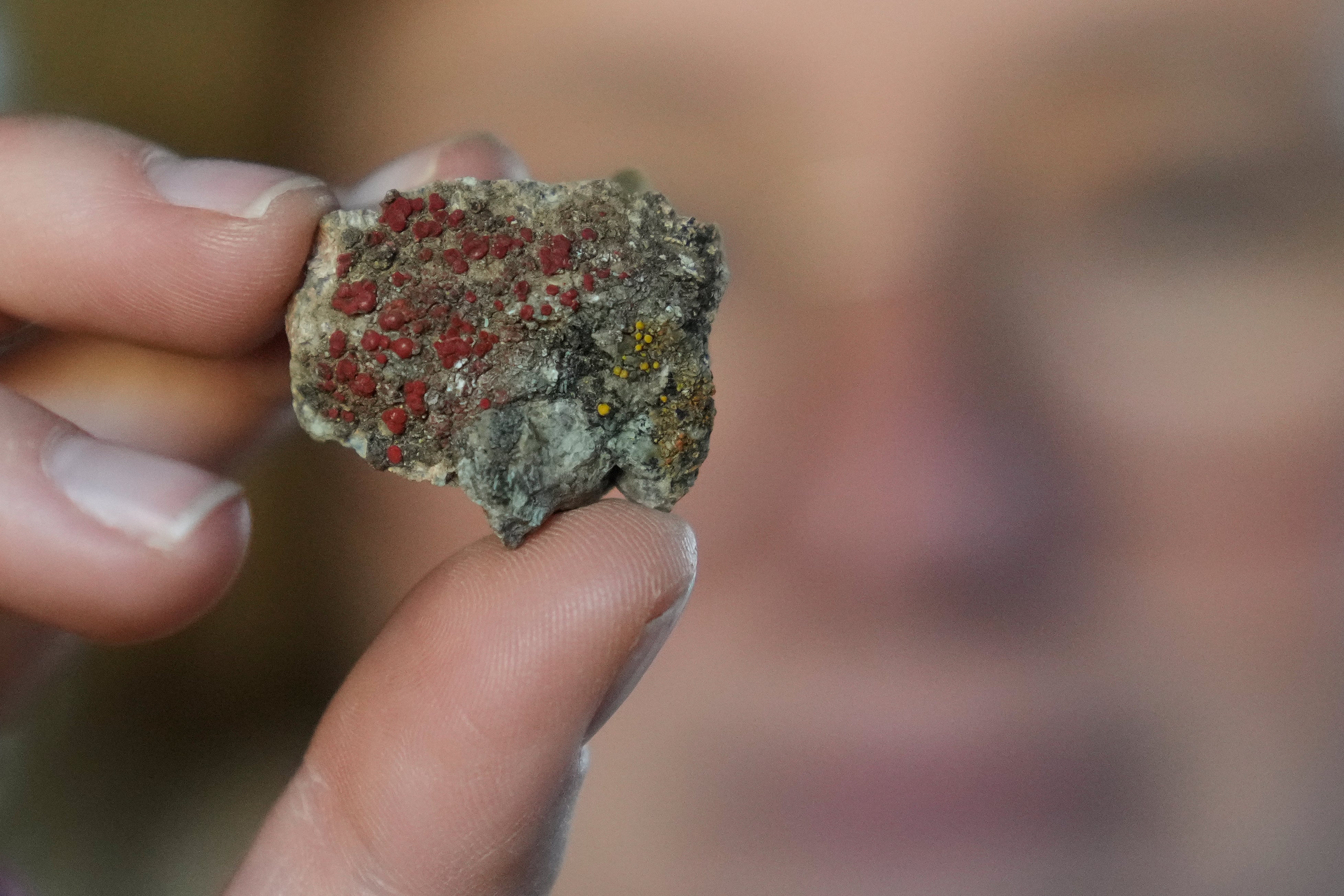
This little-known yellow mushroom has, so far, only been spotted along North America's Western coastlines, with its last recorded sighting in California's Napa County two years prior. Yet, within moments of her search, the fungi scientist’s attention was diverted by a dazzling array of lichens – a type of fungi – bursting with intricate shapes, textures, and colours on a nearby rock.
"It's so easy to get distracted, but there's so many lichen!" she exclaimed, a sentiment echoed by ecologist Jesse Miller, president of the California Lichen Society, who declared it "a good rock." Allen and Miller are among a growing community captivated by what they describe as the wondrous and mystical world of fungi, dedicating their efforts to its protection.
Fungi are fundamental to nearly all life on Earth, with an estimated 2.5 million species contributing an astonishing $54 trillion to the global economy through their roles in food, medicine, and more, according to a study published in Springer Nature.
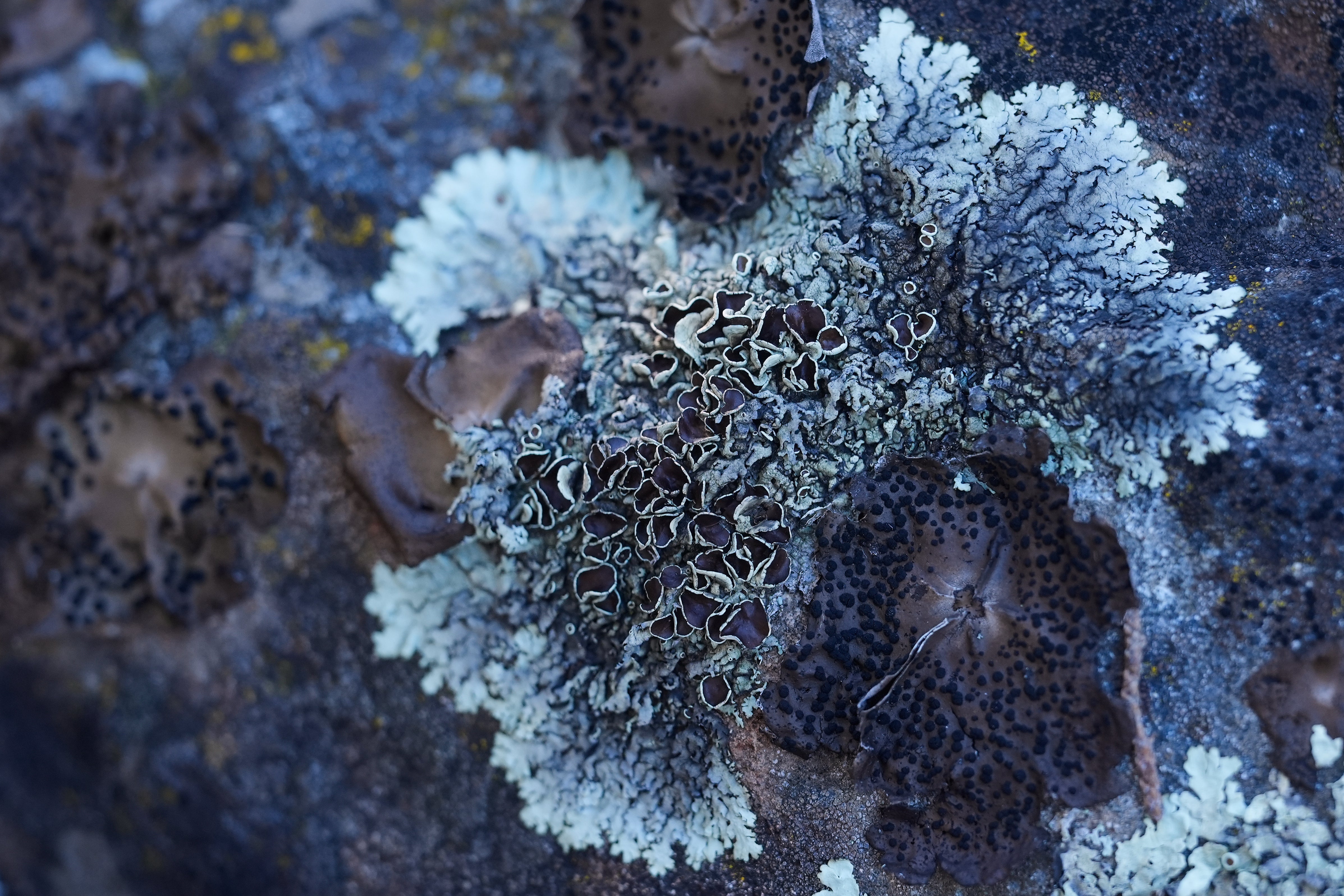
Despite their critical importance, these organisms have largely been overlooked by conservation efforts, even as they face escalating threats from pollution, habitat loss, and climate change. However, the last decade has seen a shift, thanks in part to citizen scientists and a deeper understanding of fungal diversity.
"It’s a pretty exciting time in fungal conservation," noted Allen, a mycologist for NatureServe, a key hub for biodiversity data across North America, where she actively supports and accelerates fungal conservation initiatives in the US and Canada.
Fungi constitute an enormous kingdom of life-forms distinct from both plants and animals. This diverse group includes yeasts, essential for bread, cheese, and alcohol; moulds, the fuzzy growth on forgotten fruit; lichens, a symbiotic partnership of fungus and algae or cyanobacteria; and mushrooms, which range from edible to psychedelic to deadly.
They are vital connectors and decomposers within ecosystems, indispensable to forests and a food source for many animals. Fungi have also yielded crucial medicines like penicillin, serve as building materials, and can store planet-warming carbon. Yet, scientists have only documented approximately 155,000 species – a mere 6 per cent of the millions believed to exist.
Effective conservation hinges on identifying existing species, their locations, health, and threats, a process that demands "boots on the ground." This groundwork enables conservationists to assess imperilled species and allocate resources effectively.
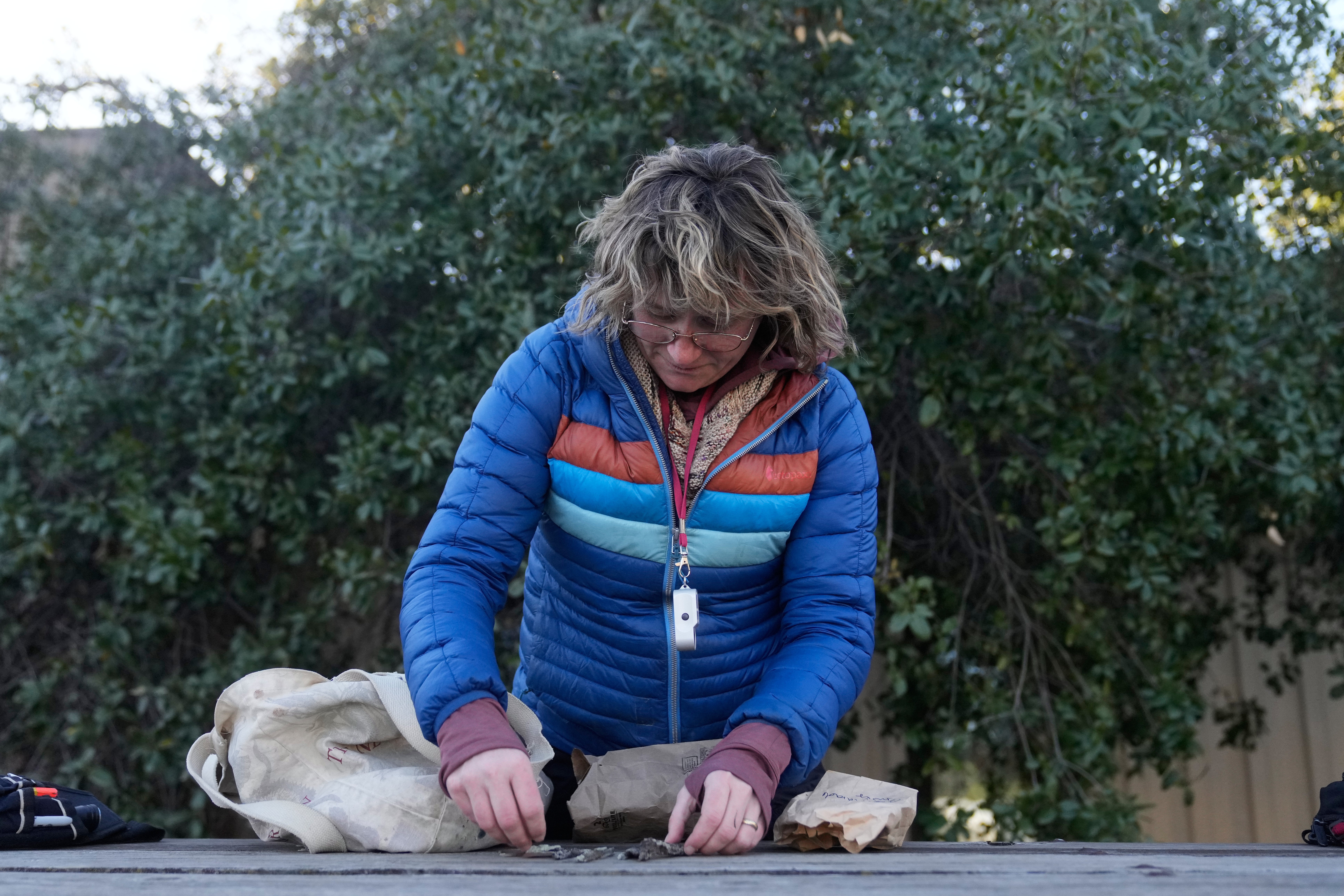
Groups like the California Lichen Society play a pivotal role in this, as Allen explains: "They tend to be the people that often make the most important discoveries, and they’re the ones who are going to be keeping an eye on those rare species over time."
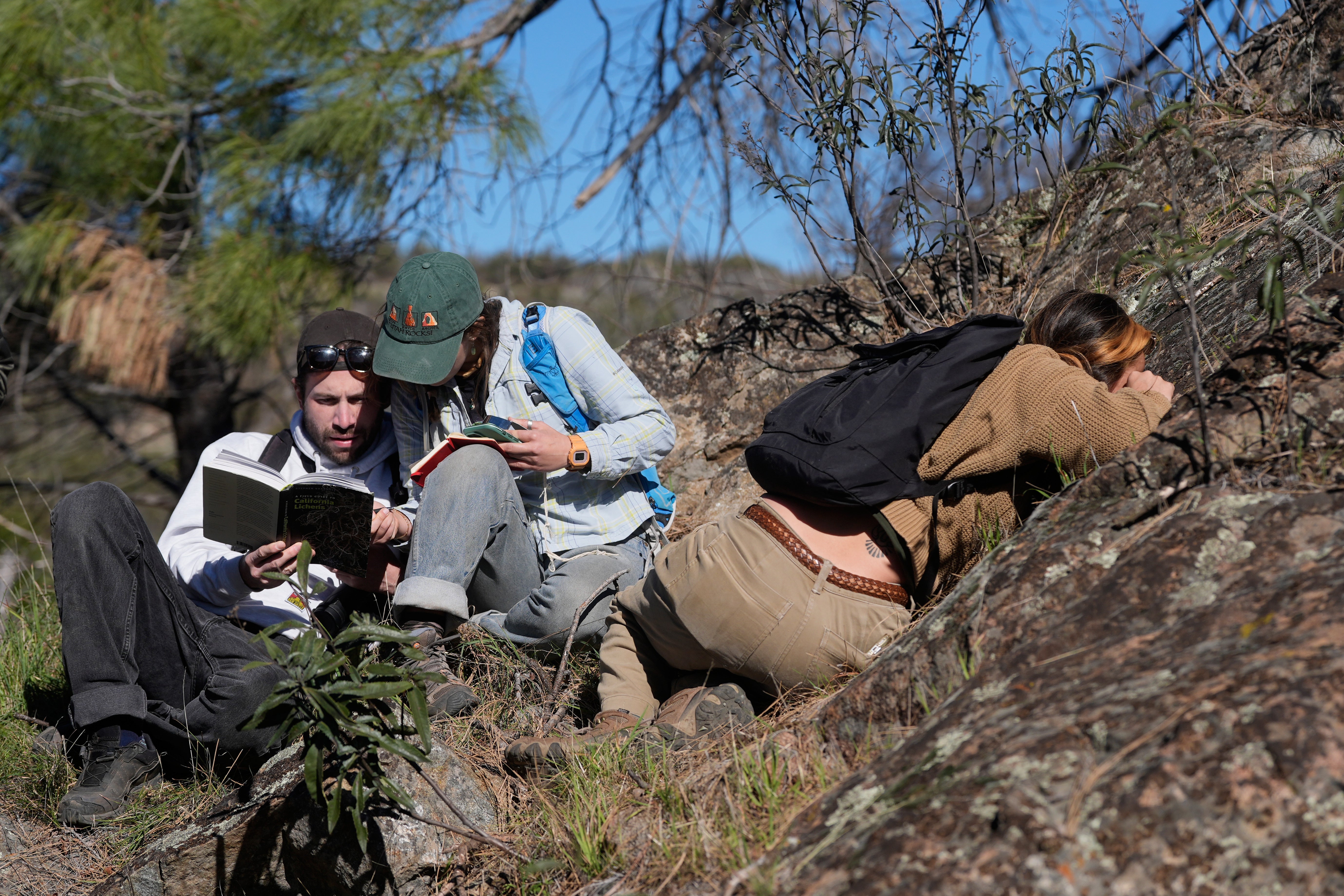
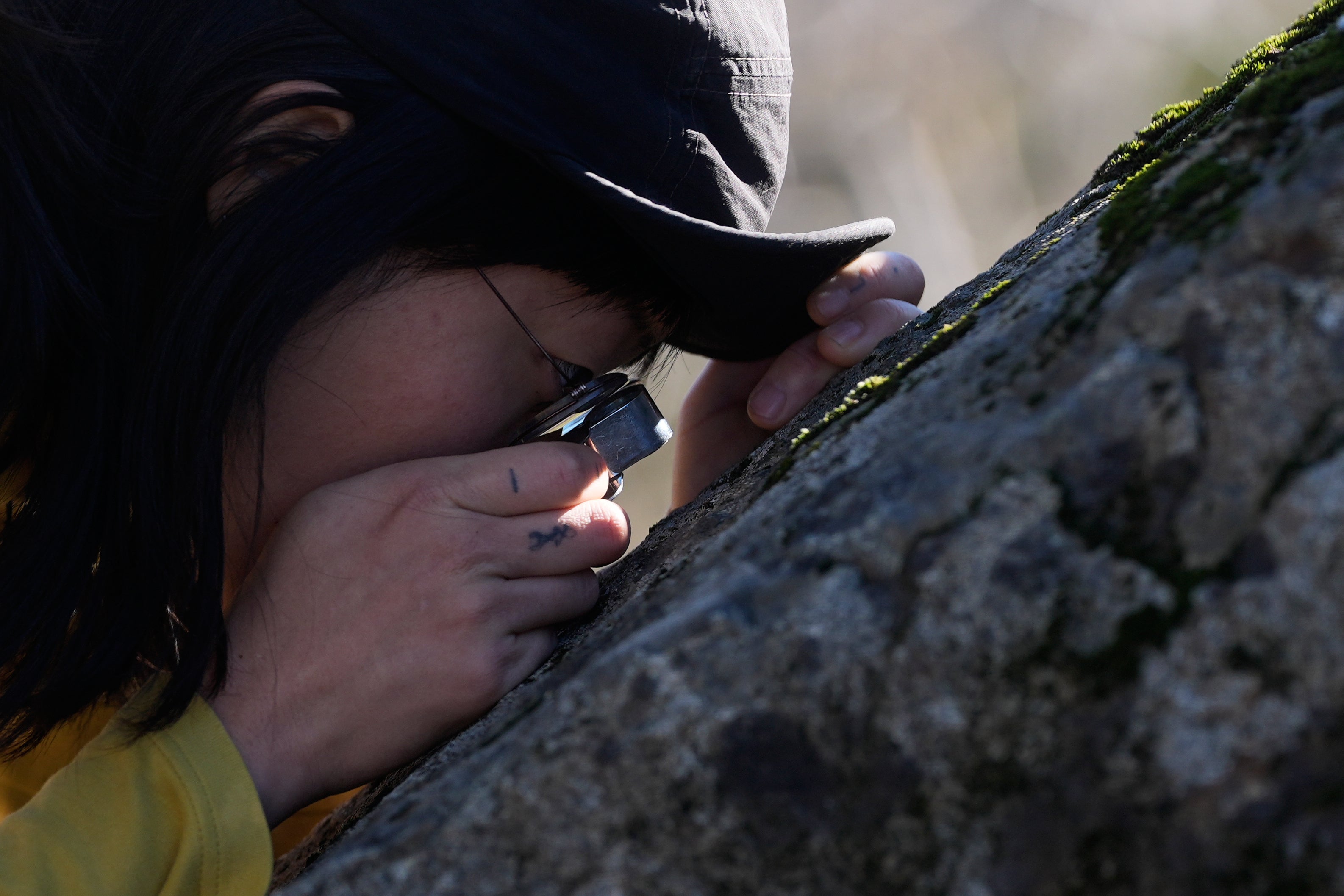
On a recent chilly day, dozens of lichenologists and amateur enthusiasts fanned out across a reserve. These annual forays combine elements of a treasure hunt, data collection excursion, and nature hike, though explorers often don't venture far. Each powdery, leafy, or branchy lichen offers an invitation into a miniature world, eliciting exclamations of "Wows!", "What the hecks!", and "Oh my gods!". As chemist Larry Cool aptly put it, "Lichenologists make terrible hiking partners" because they are constantly stopping to observe.
Cool’s fascination with lichens dates back 53 years to when he discovered their use as natural dyes. "Lichen are more than the sum of its parts and are mysteriously unpredictable," he said. "I get a lot of pleasure seeing the incredible variety of creation."
Ken Kellman, a retired air conditioning and heating mechanic, is another amateur lichenologist whose immense knowledge belies his non-professional status. His decade-long obsession has significantly contributed to understanding biodiversity in his hometown of Santa Cruz, California. "It just keeps your brain in that place where you’re saying ‘Wow!' all the time. ‘That’s cool!’ And that’s my favourite place for my brain to be," he shared.
Gregory Mueller, co-chair of the International Union for Conservation of Nature's fungal conservation committee, coordinates global fungal protection efforts. According to the group's Red List of Threatened Species, 411 of 1,300 evaluated fungi worldwide are at risk of extinction. While parts of Europe have focused on fungal conservation for decades, the US "is still far behind," Mueller stated.
Only two fungi species, both lichens, are protected by federal law, though some states like California have legal protections, and others, such as New Jersey, have incorporated them into conservation plans. This situation is gradually improving, partly due to increasing community science initiatives both domestically and internationally.
"There’s a lot of amateur mycologists ... documenting (fungi) with photographs, putting their images on iNaturalist and our Mushroom Observer, and we’ve been able to use those data to better document fungal diversity," Mueller explained. We're "starting to get some idea of what species might be in trouble."
Scientists are still uncovering much about fungi and the threats they face. Most fungi remain hidden, existing as vast, threadlike networks called mycelium, only producing mushrooms – their fruiting bodies – when conditions are optimal. This hidden nature is a primary reason for our limited understanding, according to Nora Dunkirk, a botanist and mycologist at Portland State University’s Institute for Natural Resources, who works to document vulnerable plant and fungi species for conservation.
Among the most significant threats is climate change, with altered rainfall patterns, rising temperatures, and worsening wildfires capable of eradicating them or disrupting the delicate relationships between forests and beneficial fungi. Prolonged flooding can also deprive them of essential oxygen. Logging, development, invasive insects, and pollution further endanger species.
Overharvesting also poses a threat; the grapefruit-sized and long-lived quinine conk, for instance, has been listed as an endangered mushroom species in Europe since the 1980s, partly due to excessive collection for its medicinal properties. "This is an organism that grows on larches all across Europe, and so people see this as a valuable resource and they use it," Dunkirk said. "But this species specifically has been harvested to its detriment."
A notable US conservation success story from the 1990s indirectly involved fungi: the Northern spotted owl. Officials realised that saving the owl necessitated managing the entire old-growth forest ecosystems it depended on, including their fungal components. The 1994 Northwest Forest Plan subsequently established federal rules to protect approximately 400 rare and little-known species across three states.
Back in California, Allen and her fellow fungi enthusiasts continued their search for the elusive Manzanita butter clump, meticulously scanning steep slopes and creek banks. They never found it. But, as Allen reflected, that is often the nature of searching for something as ephemeral and unpredictable as mushrooms. "How many of my days have ended this way? So many," she mused. "It was still a great day."
Join our commenting forum
Join thought-provoking conversations, follow other Independent readers and see their replies
Comments
Bookmark popover
Removed from bookmarks