Scientists unravel decade-long mystery behind death of five billion starfish
For years, a ‘gruesome’ bacterium has been turning starfish to goo
Scientists have finally unravelled the decade-long mystery behind the devastating epidemic that has killed more than five billion sea stars off the Pacific coast of North America.
The breakthrough identifies a specific bacterium as the culprit, offering a crucial step towards saving the iconic marine creatures.
Since 2013, a mysterious sea star wasting disease has caused a mass die-off from Mexico to Alaska, affecting over 20 species and continuing its destructive path today.
The sunflower sea star was particularly hard hit, losing approximately 90 per cent of its population within the first five years of the outbreak.
"It’s really quite gruesome," said marine disease ecologist Alyssa Gehman at the Hakai Institute in British Columbia, Canada, who contributed to pinpointing the cause.
She described how healthy sea stars typically have "puffy arms sticking straight out", but the disease causes them to develop lesions before "their arms actually fall off."
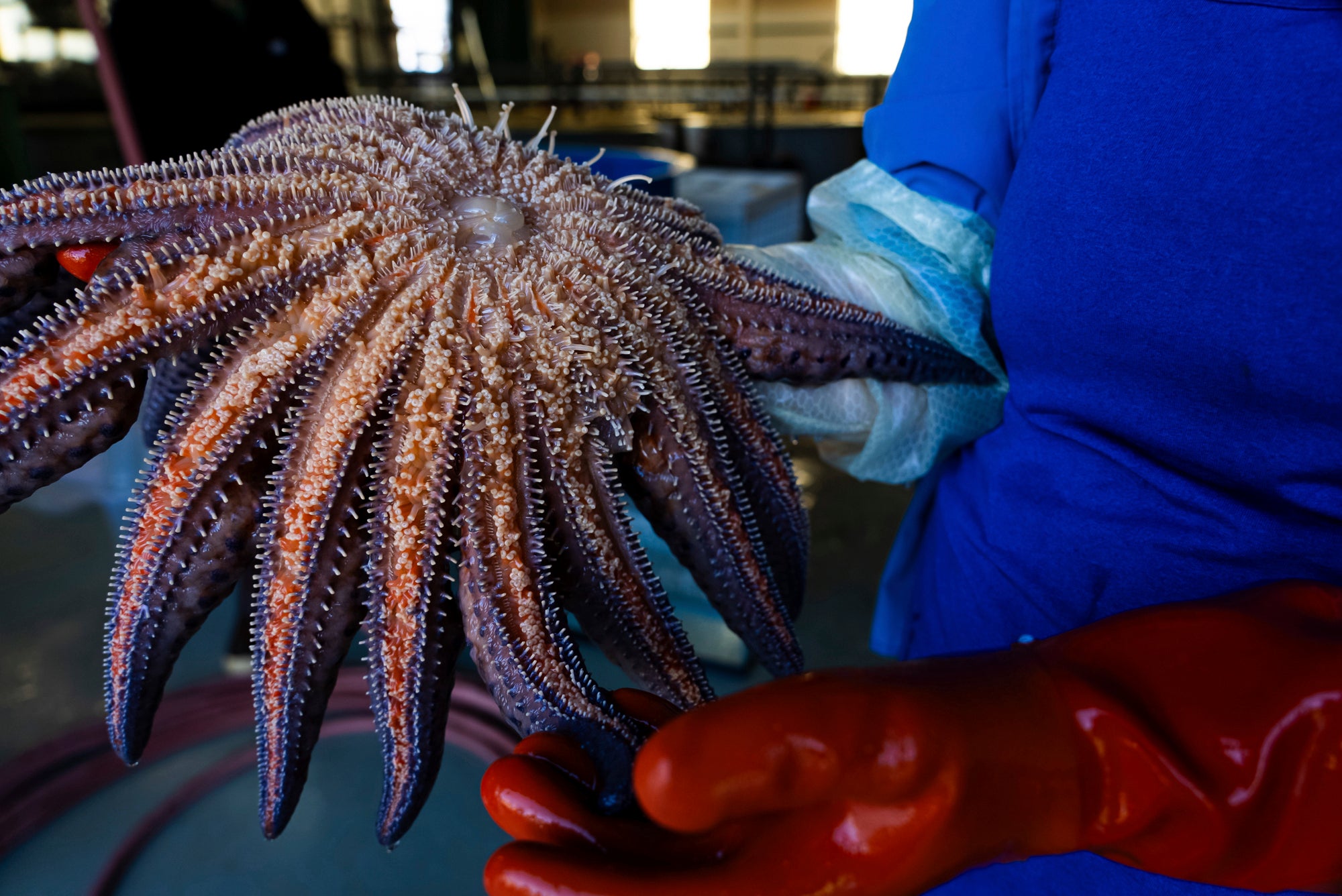
The long-sought answer, published in the journal Nature Ecology and Evolution, points to a bacterium that has also been found to infect shellfish.
The findings "solve a long-standing question about a very serious disease in the ocean," said Rebecca Vega Thurber, a marine microbiologist at the University of California, Santa Barbara, who was not involved in the study.
Identifying the cause proved to be a complex, decade-long endeavour, fraught with false leads.
Early research mistakenly focused on a densovirus, which was later found to be a normal resident within healthy sea stars, not linked to the disease, according to Melanie Prentice of the Hakai Institute, a co-author of the new study.
Previous attempts also failed because researchers studied tissue samples from dead sea stars that no longer contained the vital bodily fluid surrounding their organs.
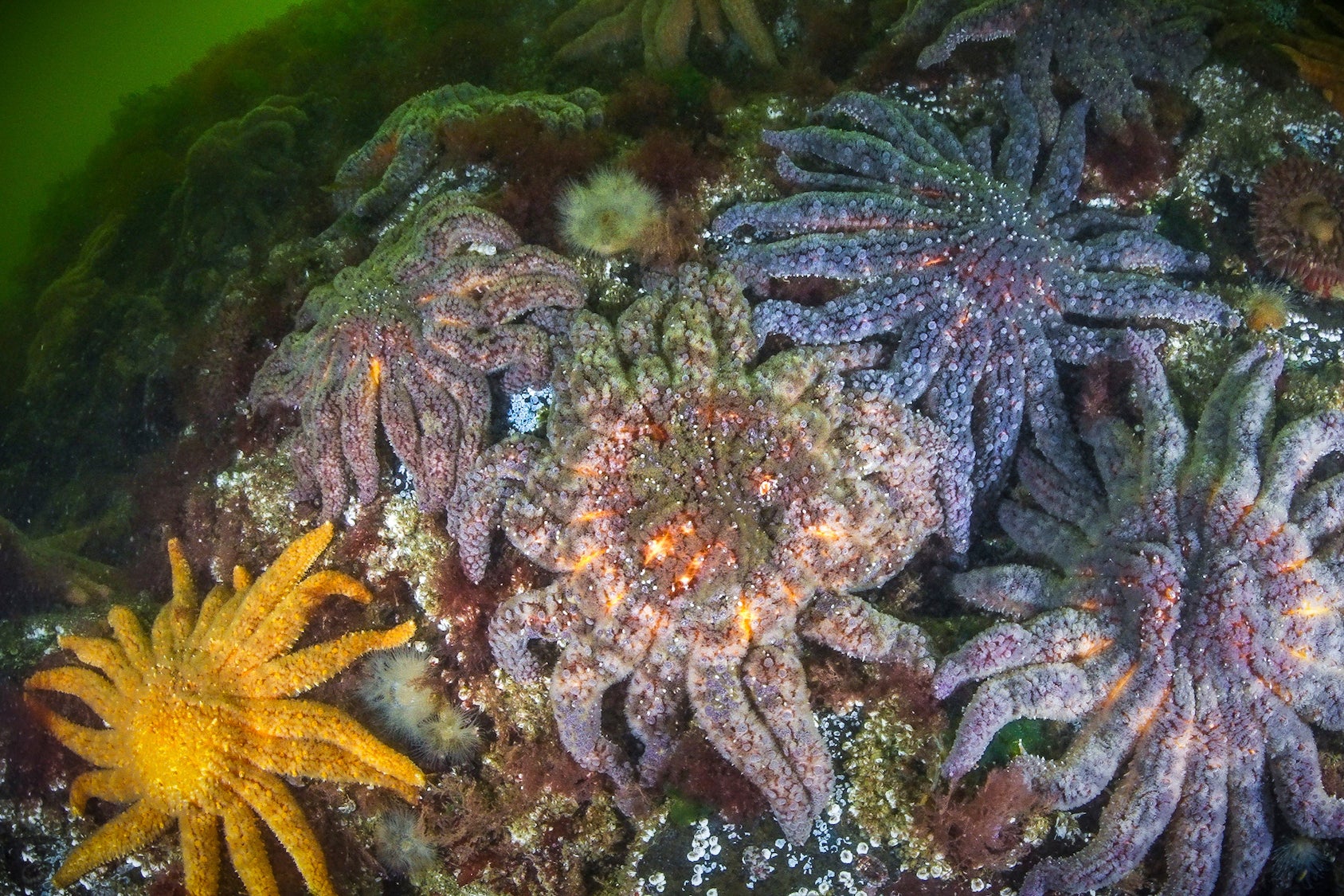
The latest study, however, meticulously analysed this fluid, known as coelomic fluid, where the bacterium Vibrio pectenicida was ultimately discovered.
Microbiologist Blake Ushijima of the University of North Carolina, Wilmington, who was not involved in the research, praised the team's "really smart and significant" detective work, noting the immense difficulty in tracing environmental disease sources, especially underwater.
With the cause now identified, scientists are better positioned to intervene.
Ms Prentice suggested that researchers could now test the remaining sea stars for health, considering relocation or captive breeding programmes to reintroduce them to areas where sunflower sea stars have been decimated.
They may also investigate if certain populations possess natural immunity or if treatments like probiotics could boost resistance to the disease.

The recovery of sea star populations is not merely about saving a single species; it is vital for the entire Pacific ecosystem. Healthy sea stars play a crucial role in controlling sea urchin populations.
"They’re voracious eaters," Ms Gehman explained about the sunflower sea stars, despite their seemingly innocent appearance, as they consume almost everything on the ocean floor.
The dramatic decline in sea stars led to an explosion in sea urchin numbers, which in turn devoured approximately 95 per cent of Northern California’s kelp forests within a decade.
These kelp forests are critical habitats, providing food and shelter for a diverse array of marine life, including fish, sea otters, and seals.
Researchers are hopeful that these new findings will enable them to restore sea star populations and, consequently, regrow the kelp forests that Ms Thurber compares to "the rainforests of the ocean".
Bookmark popover
Removed from bookmarks