You say tomato, I say potato: Researchers finally solve the mystery origins of the humble spud
Researchers say the answer on where the vegetable comes from goes back 9 million years
Americans love potatoes. And while we love our tater tots, our hash browns, and not-so-French french fries, the delicious vegetable’s origins had been enshrouded in mystery – until now.
“We’ve finally solved the mystery of where potatoes came from,” Sanwen Huang of the Chinese Academy of Agricultural Sciences, China, said in a statement.
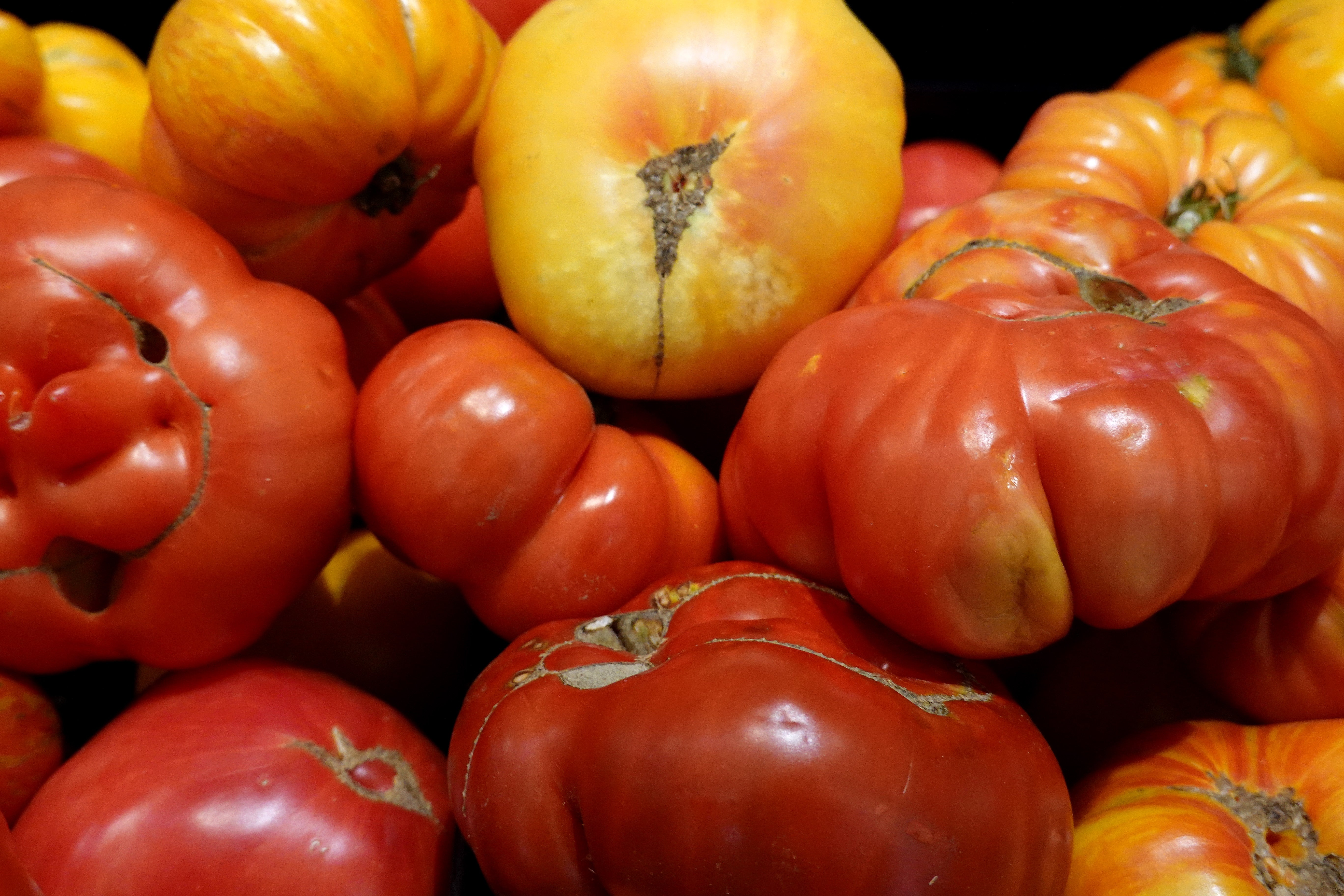
As it turns out, the more than 4,000 species of modern-day potatoes are the result of crossbreeding between wild tomato plants and potato-like species in South America some nine million years ago.
The evolutionary event led to the formation of the tuber, which is the swollen and edible underground root of certain plants, such as potatoes and yams.


To reach these conclusions, Chinese researchers analyzed 450 genomes -- the complete set of an organism’s DNA -- from human-grown potatoes and 56 of the wild potato species.
They found that every potato species contained a mix of genetic material from tomato plants and three potato-like species from Chile called Etuberosum. Modern potato plants are nearly identical to Etuberosum, but the Etuberosum species does not carry tubers. This suggested that potatoes originated from an ancient hybridization between the two.
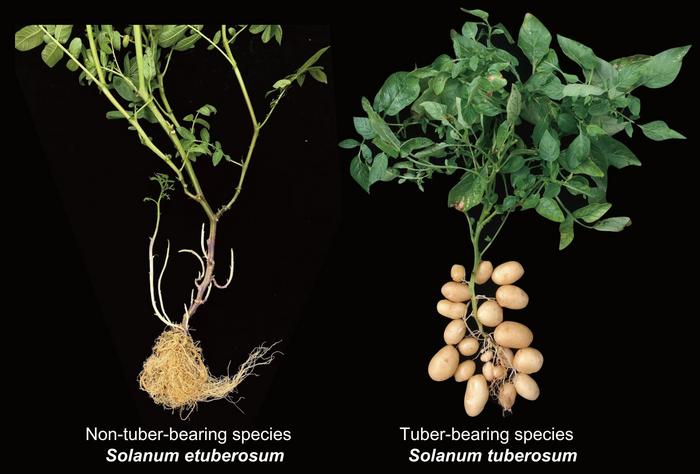
Notably, tomatoes and Etuberosum shared a common ancestor approximately 14 million years ago. They diverged for about 5 million years before crossbreeding.
The researchers also traced the origins of the potato’s tuber-forming genes. They examined what is known as the SP6A gene. SP6A is comparable to a “switch,” telling the plant when to start making tubers. The researchers said that the gene came from tomatoes. However, another important gene called IT1, which helps to control the growth of the stems that form tubers under the ground, came from the Etuberosum side.
Without either gene, the hybrid offspring would be incapable of producing tubers that create potatoes.
The researchers said they had traced the event to a period when the Andes mountains were uplifting, leading to ecosystem shifts. The resiliency and adaptability of early potatoes allowed them to reproduce and expand
“Evolving a tuber gave potatoes a huge advantage in harsh environments, fueling an explosion of new species and contributing to the rich diversity of potatoes we see and rely on today,” Huang said.
The study was published on Thursday in the Cell Press journal Cell.
Join our commenting forum
Join thought-provoking conversations, follow other Independent readers and see their replies
Comments
Bookmark popover
Removed from bookmarks