Scientists shocked as marine life found thriving on WWII explosives
An undersea submersible has spotted crabs, worms and fish thriving on the surfaces of World War II explosives thought to be toxic to marine life
An undersea submersible has discovered crabs, worms, and fish thriving on World War II explosives in the Baltic Sea, a location previously considered toxic to marine life.
Scientists found more creatures living on the warheads than the surrounding seabed at a former weapons dump.
Andrey Vedenin, a study author with Germany’s Senckenberg Research Institute, expressed his surprise: "We were prepared to see significantly lower numbers of all kinds of animals... But it turned out the opposite."
Past conflicts have left their mark on the world's oceans. German waters alone contain about 1.6 million tons (1.5 million metric tonnes) of dumped weapons, mostly from the two world wars.
These relics can contain nuclear and chemical remnants, as well as explosives like TNT.
This is the latest example of wildlife flourishing in polluted sites, with previous research showing shipwrecks and former weapons complexes teeming with biodiversity.
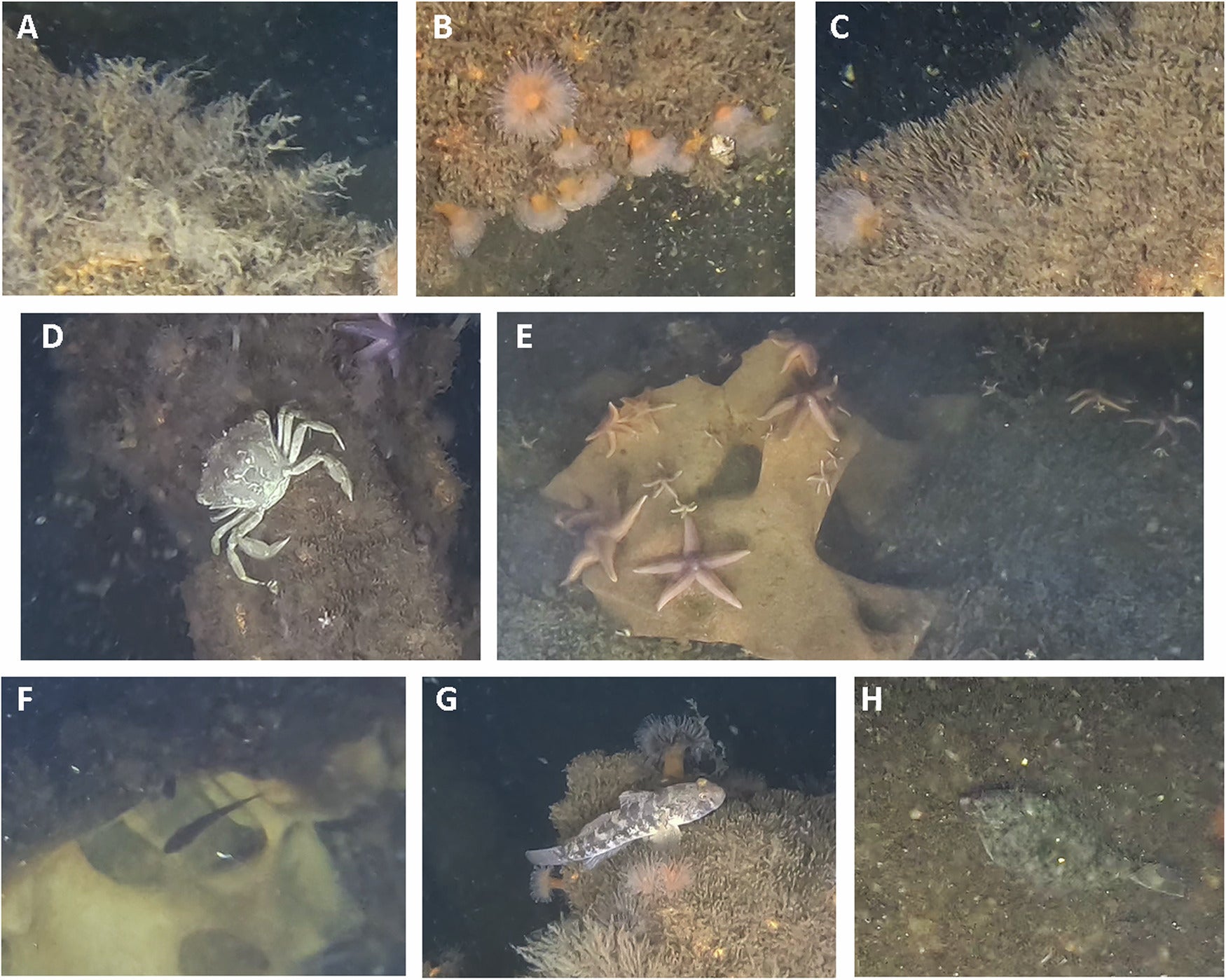
In the new study, researchers filmed networks of anemones, starfish and other underwater life in the Bay of Lübeck off the coast of Germany. They were lurking on pieces of V-1 flying bombs used by Nazi Germany.
“Normally, one does not study the ecology of bombs,” said University of Georgia ecologist James Porter, who was not involved with the research.
The research was published on Thursday in the journal Communications Earth and Environment.
Why would sea creatures make their home on contaminated weapons? They could be drawn to the hard surfaces, which are in short supply in the Baltic Sea.
The seafloor is mainly a flat bed of mud and sand because stones and boulders were fished out of the water for construction in the 1800s and 1900s, Mr Vedenin said.
The area is also fairly isolated from human activity because of the chemicals, creating a somewhat protective bubble for the critters to thrive despite some toxic tradeoffs.
Scientists hope to calculate how much contamination was absorbed by sea life. Another important next step is to see what happens after the critters settle and whether they're capable of reproducing, Mr Porter said.
Studies like these are a testament to how nature takes advantage of human leftovers, flipping the script to survive, said marine conservation biologist David Johnston with Duke University. He recently mapped sunken World War I ships that have become habitats for wildlife along the Potomac River in Maryland.
“I think it’s a really cool testimony to the strength of life,” Mr Johnston said.
Join our commenting forum
Join thought-provoking conversations, follow other Independent readers and see their replies
Comments
Bookmark popover
Removed from bookmarks