How to turn autumn leaves into a nutrient-rich mould for your garden
Dead leaves can be an important component for gardens rather than an inconvenience
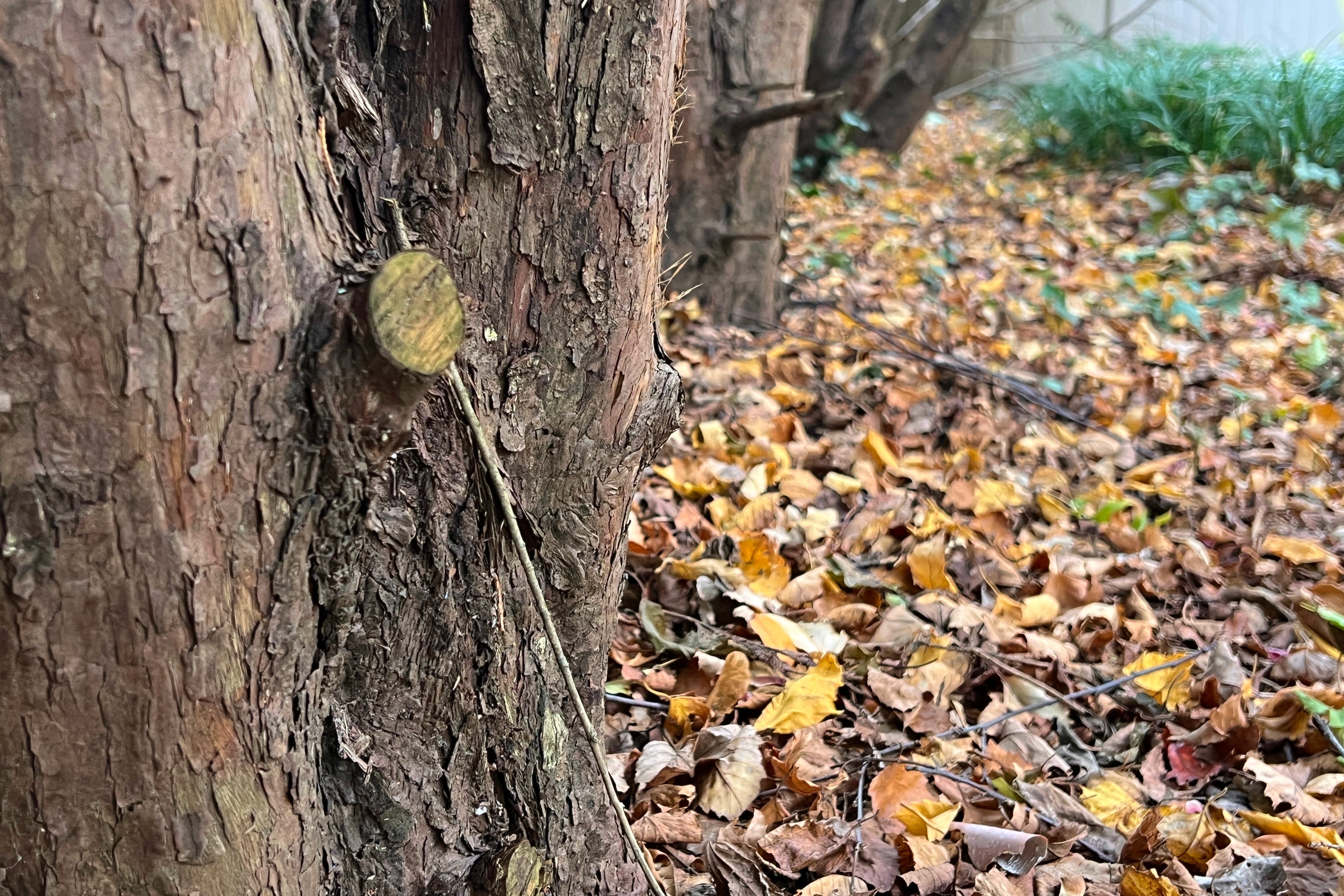
The ubiquitous carpet of fallen leaves outside our windows, often seen as a seasonal chore, holds a surprising secret for gardeners.
Far from being mere waste, this natural bounty can be transformed into a vital component for a thriving garden, offering benefits beyond traditional composting or mulching. One such underutilised resource is leaf mould.
Simpler to create than compost, leaf mould is made from just one ingredient: leaves. This organic material significantly enhances soil health, improving moisture retention in sandy soils and drainage in clay varieties. It also helps regulate soil temperature and acts as an effective weed suppressant when spread across beds and borders.
While not as nutrient-dense as compost, leaf mould is far from inert. It actively supports beneficial soil life, including earthworms, insects, and microbes, thereby boosting the overall vigour and health of plants.
Most leaf types are suitable, with smaller leaves like beech and maple decomposing in a matter of months, while larger, tougher varieties such as oak can take up to two years. A crucial exception is black walnut leaves, which contain juglone, a chemical toxic to some plants; this compound may persist in leaf mould, so it is best to avoid them.

Before making leaf mould, you’ll have to decide where to contain it. You can enclose leaves in a chicken-wire surround, pile them into contractor-grade, black plastic trash bags in which you’ve poked a bunch of holes for air circulation, or place them in an ordinary compost bin.
Regardless, add leaves lasagna-style, alternating with a sprinkling of water and, optionally, a light application of nitrogen fertiliser, which serves to speed up the process (ordinary lawn fertiliser will do).
Check the leaf pile every couple of weeks and water as needed to keep it lightly moist.
In spring, it should resemble humus, the dark, crumbly, nutrient-rich organic matter that serves as a protective layer on the forest floor.
Spread your leaf mould throughout your beds and borders as you would mulch or compost, and add some into the potting mix in your containers. It will release nutrients into the soil that will benefit your plants throughout the growing season.
Bookmark popover
Removed from bookmarks