Former prime minister says UK should immediately send noncombat troops to Ukraine
Speaking ahead of the fourth anniversary of Russia’s full-scale invasion, Mr Johnson told the BBC that these troops should be stationed in peaceful regions
Former Prime Minister Boris Johnson has called for the immediate deployment of non-combat troops from the UK and its European allies to Ukraine. He argues such a move would demonstrate Western commitment to Ukraine’s freedom and independence to Russian President Vladimir Putin.
Speaking ahead of the fourth anniversary of Russia’s full-scale invasion, Mr Johnson told the BBC that these troops should be stationed in peaceful regions, serving in non-fighting capacities. His remarks, from an interview set to air on Sunday, come from a figure who was a staunch supporter of Ukraine during his time as Britain’s leader in the early stages of the conflict.
This proposal represents a significant departure from current Western policy. While a "coalition of the willing" is indeed planning to send troops to Ukraine, these deployments are envisioned only after a ceasefire agreement, primarily to police the peace.
Challenging this cautious approach, Mr Johnson questioned the delay. "If we are willing to do it in the context of a ceasefire, which of course puts all the initiative, all the power, in Putin’s hands, why not do it now?’’ he stated. "There is no logical reason that I can see why we shouldn’t send peaceful ground forces there to show our support, our constitutional support for a free, independent Ukraine."
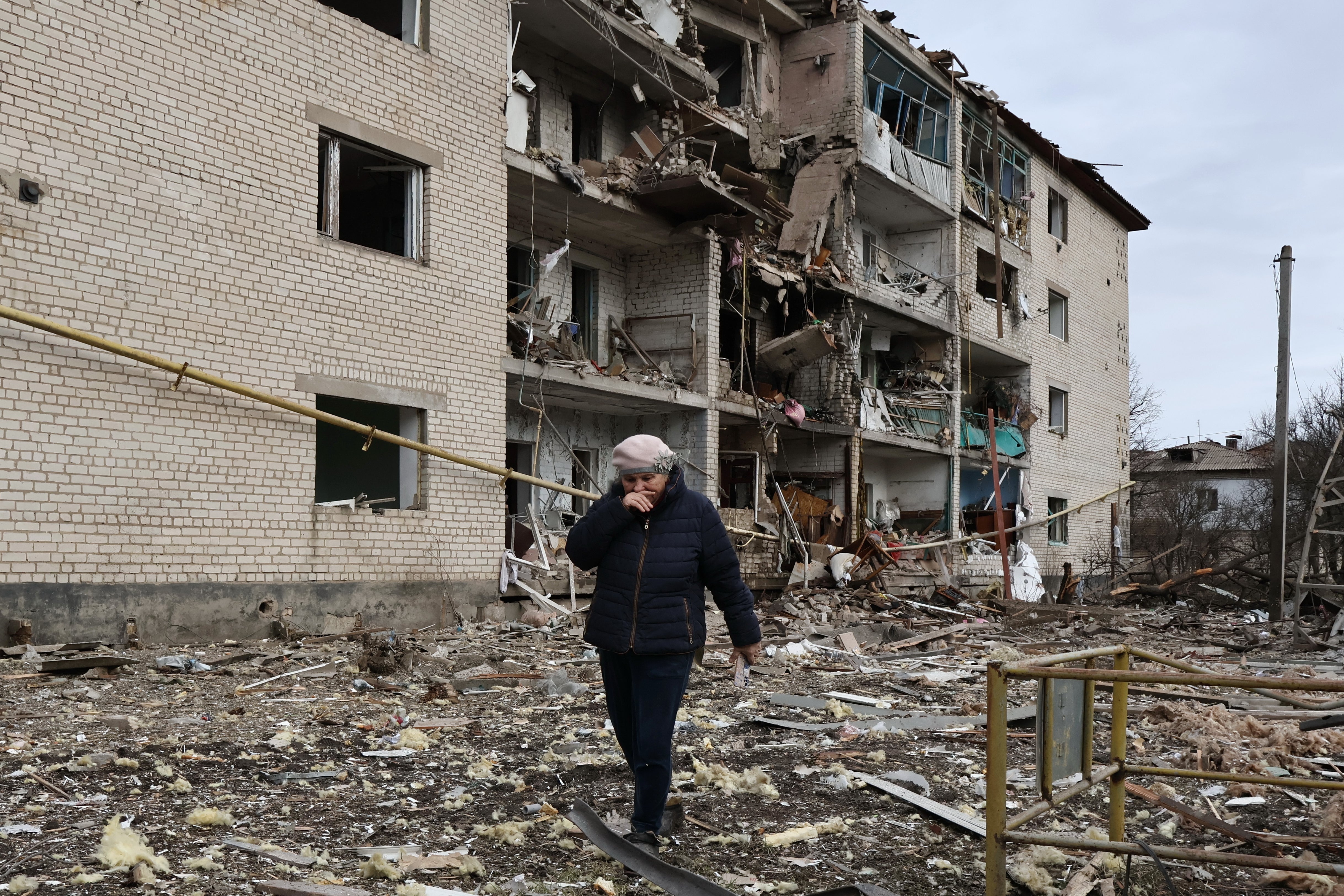
Western military strategists have largely avoided public discussion of such a move, fearing Russia would interpret it as an escalation. Indeed, Mr Putin himself rejected Western peacekeeping proposals in September, warning that any troops deployed to Ukraine would be considered "legitimate targets." However, Mr Johnson insisted that Mr Putin should not dictate terms to Ukraine and its allies. "It’s about whether Ukraine is a free country or not," he said. "If it’s a vassal state of Russia, which is what Putin wants, then obviously it’s up to Putin to decide who comes to his country. If it’s not, then it’s up to the Ukrainians."
Responding to Mr Johnson’s comments, Britain’s Ministry of Defence reiterated the government’s existing policy. It confirmed ongoing work with the "coalition of the willing" to prepare for troop deployment after a ceasefire. "The multinational force Ukraine under UK leadership will secure peace for the long term, with the Prime Minister being clear that we will put British troops on the ground following the end of hostilities," the ministry affirmed in a statement.
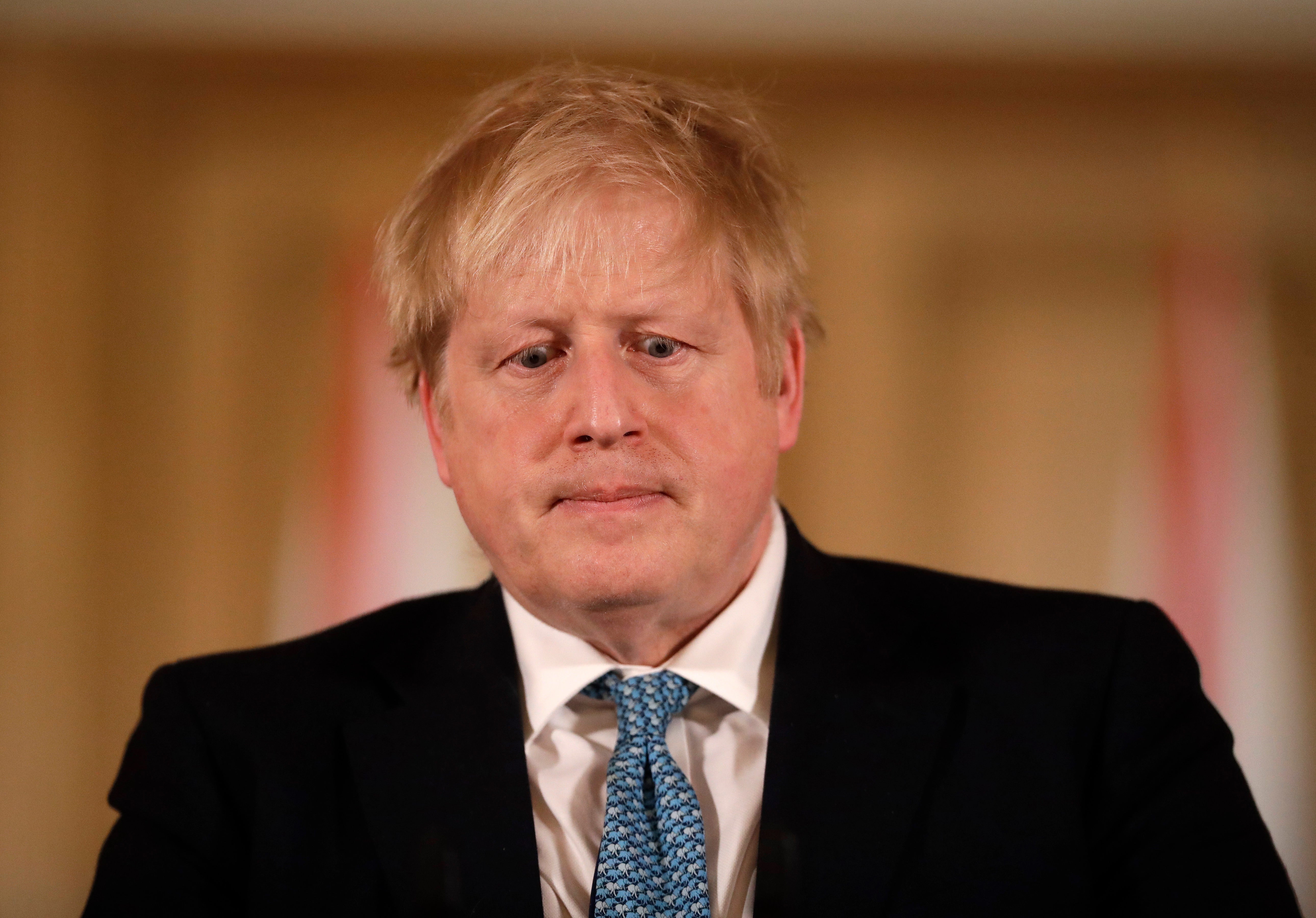
Mr Johnson also attributed the current conflict to what he perceives as Western failures, citing the lack of robust support for Ukraine after the 2014 Crimea invasion, the failure to punish Bashar al-Assad for chemical weapons use in Syria, and the chaotic US withdrawal from Afghanistan. "I think Putin was emboldened by a Western failure in Syria to punish Assad for using chemical weapons," he remarked. He added: "I think Putin was further emboldened in February 2022 by what he’d seen in Afghanistan, and a sort of general sense that the West was on the back foot. He’d seen those appalling pictures of Americans being forced to flee Afghanistan and the UK pulling out as well, and that really did embolden him."
Join our commenting forum
Join thought-provoking conversations, follow other Independent readers and see their replies
Comments
Bookmark popover
Removed from bookmarks